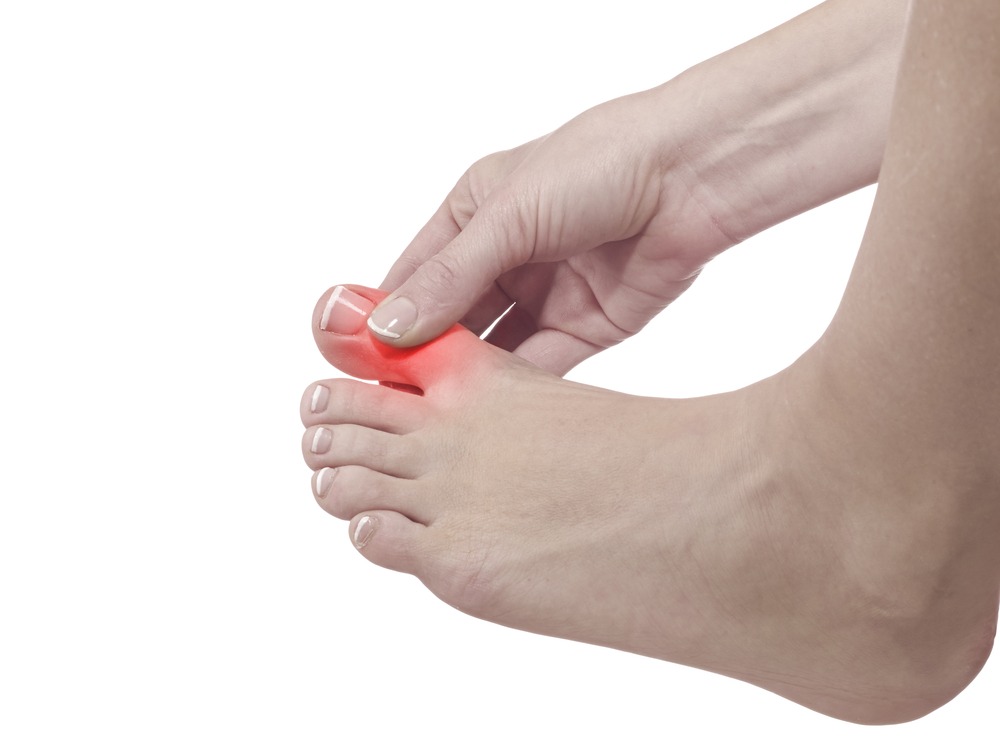

Gout is a form of arthritis that is particularly sensitive to metabolic changes.
It can prove difficult to predict when gout will strike, seeing as this inflammation of the joints comes and goes on its own. However, several home remedies can help relieve the pain and reduce inflammation.
Here are 4 home remedies for the prevention and treatment of gout in the foot.
1. Watch your diet
A gout attack signals a serious dietary warning as this joint problem is caused by high levels of uric acid, linked to purine-rich foods.
To manage gout, avoid or limit consumption of:
- Red or processed meat;
- Certain seafood such as crabs, lobsters, and oysters;
- Oily fish like sardines, anchovies, and herring;
- Excessive alcohol, especially beer;
- Soft drinks and sugary juices;
- Products containing corn syrup.
2. Halt weight gain
Maintaining a healthy weight helps lower uric acid levels and reduces the risk of gout attacks. Combining a low-purine diet with moderate physical activity is essential for gout management and cardiovascular health.
3. Identify your sources of stress
High stress levels can trigger gout in the foot. Recognizing and managing stress is important to prevent attacks.
Relaxation methods to reduce stress include:
- Breathing or visualization exercises;
- Soothing music;
- Writing;
- Stretching, especially around the painful joint;
- Yoga or meditation;
Physical activities like cycling or jogging also help relieve tension.
4. Apply heat and cold
Alternating cold and heat applications is effective for relieving gout joint pain.
Ice can be used to:
- Soothe pain temporarily;
- Reduce blood flow and swelling in the joint.
Cold is preferable during a gout attack, as heat may worsen symptoms. Once inflammation decreases, warm compresses help:
- Restore movement in toes and foot;
- Alleviate residual pain;
- Calm muscle spasms.
What to do when home remedies don’t solve the issue?
If pain persists despite home remedies, consult a podiatrist, who can diagnose the issue and recommend treatments.
Common podiatric treatments for gout include:
- Nonsteroidal anti-inflammatory drugs (NSAIDs);
- Cortisone injections;
- Orthotics to rest the joint.
If necessary, a podiatrist may refer you for further medical treatment.
PiedRéseau: long-term relief for your joint pain
While natural treatments can help, recurrent gout attacks require professional care.
PiedReseau podiatry clinics offer expert treatment to address gout quickly and effectively.
Don’t wait for gout to cause permanent damage: contact a PiedRéseau podiatrist today.