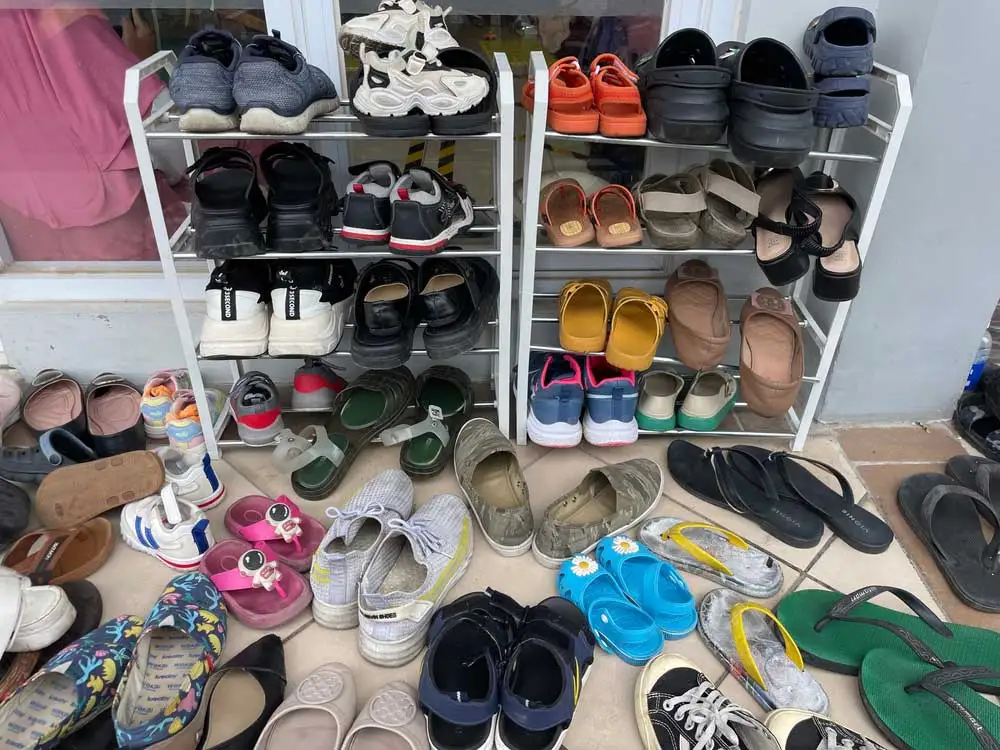

Start your seasonal cleanup with your feet
With the warmer season approaching, it’s important to assess whether your shoes are still suitable. Worn-out footwear can cause foot, knee, or back discomfort by affecting your posture and daily comfort, as collapsed soles and diminished support silently impair your feet posture.
Why worn shoes can lead to pain
Old shoes lose cushioning and structure, forcing the feet to compensate, often resulting in strain across legs, hips, or back. Such changes are often unnoticed until persistent pain appears, including common plantar pains. Early recognition of these signs is crucial for comfort.
5 Signs Your Shoes Are No Longer Good
Worn soles, reduced cushioning, and instability indicate shoe fatigue, leading to body compensation and possible persistent foot pain. Risks such as slipping and postural imbalances also increase.
A shoe is considered worn if:
- The outer sole is smooth or unevenly worn
- The cushioning feels firm without rebound
- The upper is collapsed or torn
- The insole is thinned, especially under the heel or arch
- You feel discomfort even during short walks
Inspect additional components
Damaged lining can cause irritation, a crushed toe box increases toe pressure, and a twisted tongue may press the top of the foot. The heel counter should be stable; deep folds or cracks in the midsole degrade shock absorption. Even frayed laces can affect support.
How long does a shoe last?
The lifespan depends on use and activity:
- Running shoes: 600 to 800 kilometres
- Hiking shoes: 1000 to 1500 kilometres
For someone walking 5 km daily, shoes may wear out within 4 to 5 months. Frequent standing or walking requires more regular inspection.
Simple tests to check your shoes
Flexion test
Bend the shoe gently in the middle; a shoe that folds too easily no longer offers firm support.
Alignment test
Place the shoe on a flat surface; if it tilts, leans, or rocks, internal stability may be lost.
Comfort test
Walk a few steps with the shoe. Pressure, instability, or slipping indicate the shoe is inadequate.
Balance test
Stand on one leg with the shoe on; difficulty suggests reduced support or cushioning.
Humidity test
Persistent odors or dampness signal lost breathability, risking skin irritation or infections problems. If shoes remain usable, consider donating them.
Questions often asked
Can worn sandals create pain?
Yes. Flat sandals without support can cause discomfort, especially for active walkers.
Is it bad to wear last year’s sneakers?
Not necessarily; wearing them is fine if wear signs are checked and no discomfort occurs.
What if I replaced my shoes and still feel pain?
Pain may stem from posture or movement patterns. A podiatrist can evaluate alignment and propose custom orthotics.
Spring cleaning your shoes improves comfort and posture. Worn footwear alters your gait and stance, causing discomfort. When in doubt, replace your shoes. Persistent pain warrants podiatrist consultation for diagnosis and treatment.