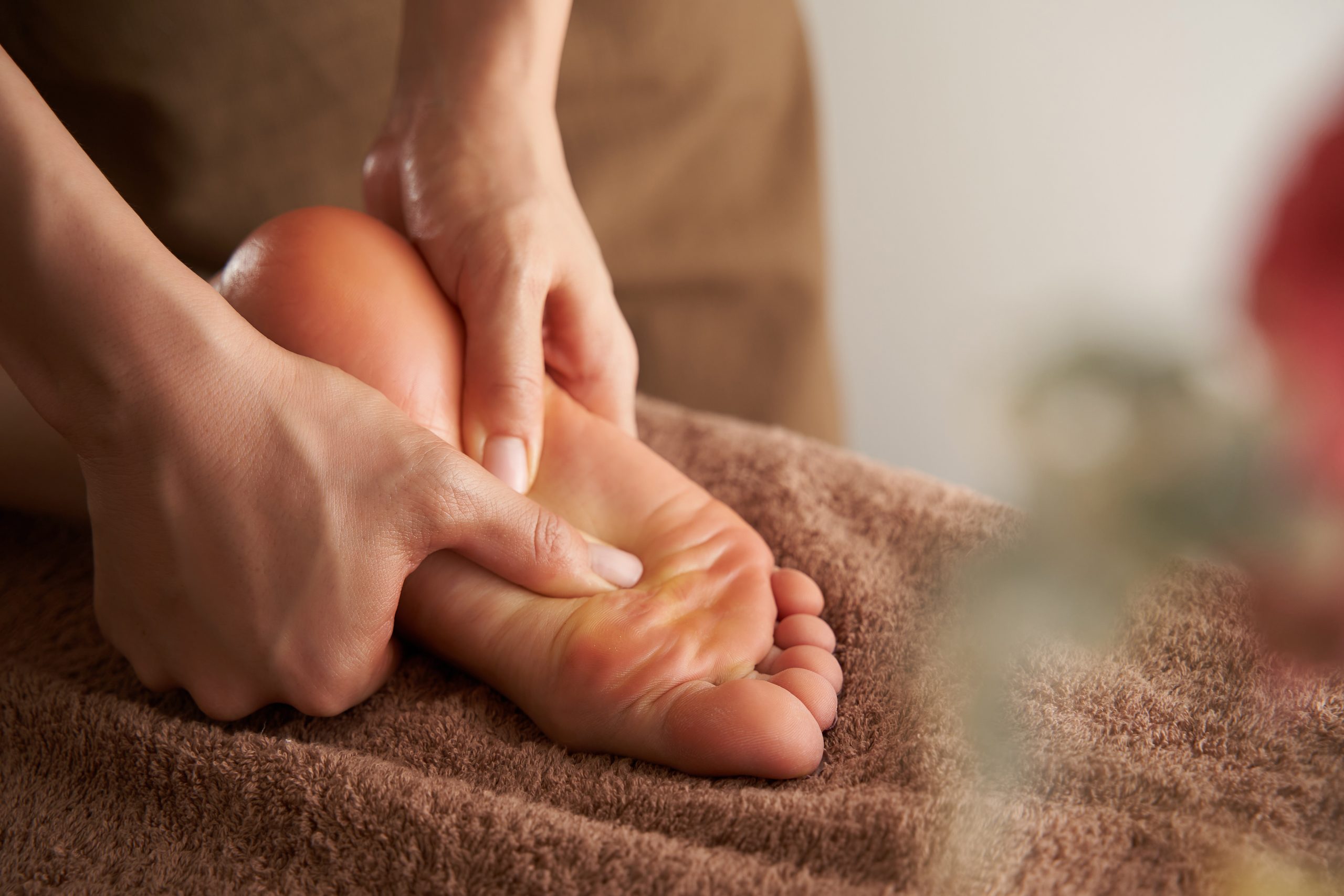

Foot massage is often seen as a relaxing treatment, but it is not suitable for everyone. For some people with certain disorders, chronic pain, or podiatric conditions, a foot massage can worsen existing problems.
Foot massage: several foot pains to treat
The feet support the entire body and are in constant use, leading many to experience foot pain ranging from mild to chronic. Foot massage can relieve tension causing symptoms like heavy, tired feet or slight throbbing. However, in cases of major injuries or persistent illnesses such as fractures, diabetic foot, or subluxation, medical consultation is essential before considering a foot massage. A health professional can diagnose and determine if foot massage is appropriate based on individual conditions.
Risks associated with foot massages
While foot massages can be soothing, they may also cause negative effects. These range from minor discomfort after a moderate massage to serious complications after deep tissue massage, such as injury aggravation, new pains, stress, or muscle damage.
Some people may experience headaches, emotional reactions, physical pain, fatigue, or digestive issues like nausea or gas post-massage. These side effects generally resolve within a couple of days; if symptoms persist, medical advice is recommended.
More serious risks include:
- Joint mobilization massages potentially causing neurovascular damage;
- Changes in insulin production from repeated movements, making foot massage risky for diabetics;
- Possible contamination spread with infections like athlete’s foot or nail fungus;
- Unsuitability for those with heart or respiratory problems, foot inflammation or infection, and pregnant women without medical approval.
Massage therapists must gather comprehensive health information from clients to minimize risks.
Tips for a relaxing foot massage
To offer an effective and gentle foot massage, follow these guidelines:
- Clean and dry the feet thoroughly before starting; applying a little oil helps ensure smooth movements;
- Begin by gently rotating the ankles and moving the foot through flexion and extension;
- Massage the soles by moving hands from toe to heel with moderate pressure;
- Gently flex and extend toes, then use fingers to slide along the tarsus bones with gentle pressure;
- Finish with circular motions around the ankle bone before returning to the toes.
Always listen to bodily feedback and adjust pressure accordingly, whether self-massaging or working on another person.
If you are thinking of getting a foot massage, see a specialist
Foot massage should not be taken lightly. Healthy individuals can enjoy foot massages by choosing qualified therapists. Those with podiatric issues should consult specialists at PiedRéseau clinics, where experts can both treat foot ailments and advise on the safety and necessity of foot massage.