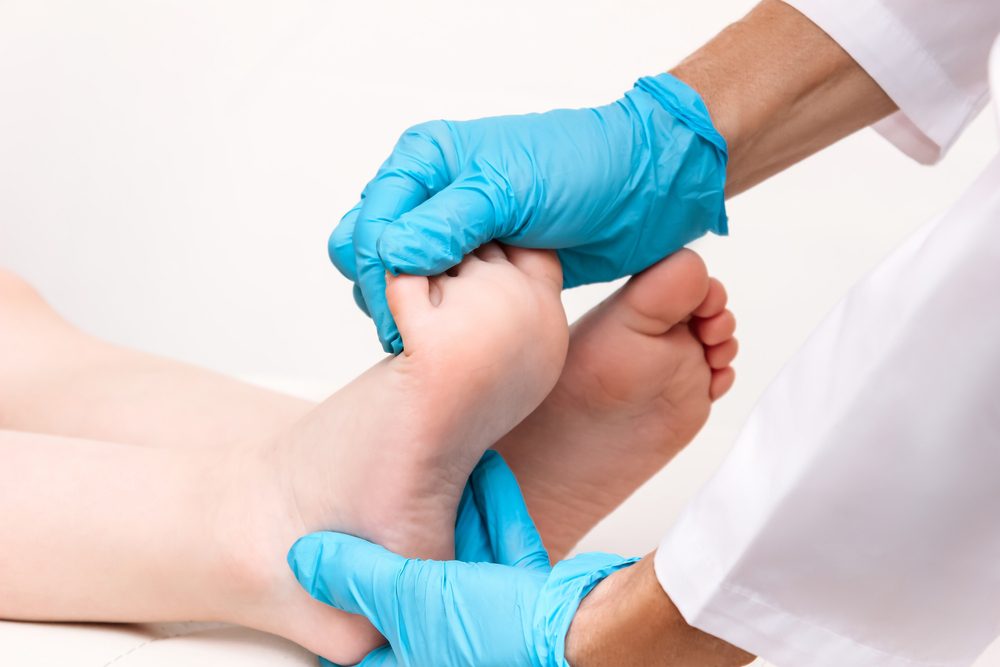

Taking care of your child’s feet is vital for healthy development, especially since many common foot ailments can be treated or prevented with proper care. Monitoring foot growth and recognizing signs of pain early allows for timely intervention and promotes healthy, comfortable feet.
Foot care to treat common foot ailments among children
Foot pain affects both children and adults, and pediatric podiatry offers specific treatments. All children are born flat-footed; the foot arch typically develops by age three, but some maintain flat feet without requiring care unless pain is present. Curved legs are also common but should be evaluated if persisting beyond three years old. A biomechanical exam and postural evaluation by a podiatrist help identify causes of foot pain by analyzing limb alignment, foot joint movement, posture, and gait.
X-rays may be necessary to assess bone alignment, shape, growth, or detect abnormalities such as tumors. Foot orthoses are a beneficial treatment option, correcting gait and foot development by preventing muscle compensation or leg misalignment.
Preventive foot care: getting the right footwear
Proper footwear plays a key role in preventing foot pain in children. Shoes should fit well—if between sizes, choose the larger size—and allow space for a thumb behind the foot. Lace-up shoes are preferred for better support. Avoid oversized shoes intended to last longer as they can cause discomfort and hinder healthy foot development. Regularly check and replace shoes to ensure proper fit.
Foot care: when should your child see a podiatrist?
It is advisable to consult a podiatrist as early as one month if concerns arise, but more accurate assessments occur around ages two to three when the foot is more developed. Early podiatric care enables effective monitoring and timely interventions to support healthy foot growth.
Treat and prevent
If your child experiences foot pain, a podiatrist can perform biomechanical assessments, postural evaluations, digital x-rays, and provide orthoses or other treatments as needed. Scheduling a first podiatry visit at age two or three supports early prevention. Don’t hesitate to contact a podiatrist promptly if your child shows signs of discomfort.