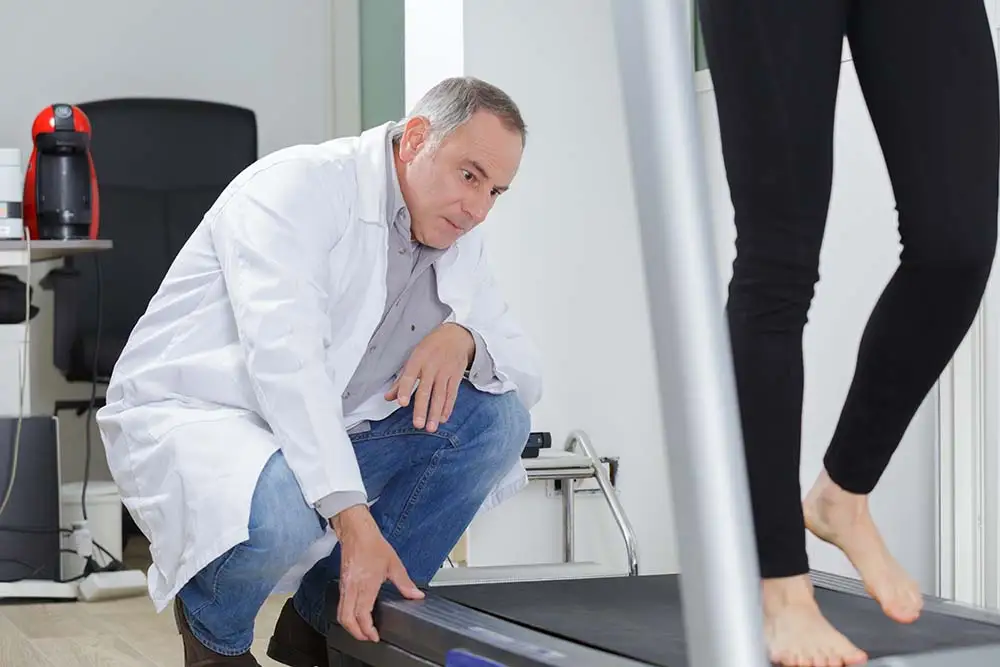

Each step we take involves a complex biomechanical process known as foot strike, which describes how our foot lands and lifts off the ground. Understanding your foot strike is essential for selecting appropriate footwear and preventing pain in the feet, knees, and back. Whether walking or running, knowing your gait type improves overall comfort and health.
What Is Foot Strike?
Foot strike is how the foot contacts the ground during walking or running, beginning with the heel and ending with the forefoot push-off. This motion affects not only the feet but also the knees, hips, and spine. Poor alignment can cause muscular compensations and widespread pain across the kinetic chain.
A correct foot strike evenly distributes body weight and maintains balance. Conversely, abnormal gait often leads to discomfort, injuries, or chronic pain.
Types of Foot Strike
Pronation
Pronation is the inward roll of the foot upon landing, naturally absorbing shock. However, excessive pronation—where the foot rolls too far inward—can cause:
- Uneven shoe wear, especially on the inner sole
- Ankle instability
- Knee misalignment
- Lower back pain
This common gait can be managed with appropriate shoes or custom orthotics.
Supination
Supination, or underpronation, is an outward roll of the foot on landing that reduces shock absorption. It may cause tension in ankles and calves, as well as pain beneath the feet, leading to:
- Heel and arch pain
- Tight calves
- Stress fractures
- Plantar fasciitis
People with high arches often supinate. Selecting cushioned, flexible footwear can help absorb impact.
Neutral Gait
A neutral gait occurs when the foot lands evenly without excessive inward or outward roll. Benefits include:
- Optimal shock absorption
- Balanced body alignment
- Even distribution of muscle and joint load
This is the most biomechanically efficient foot strike pattern.
How to Analyze Your Foot Strike at Home
Identify your foot strike with three easy methods:
- Check shoe wear: Inner sole wear suggests pronation; outer sole wear indicates supination.
- Wet footprint test: Wet your feet and step on brown paper. A full midfoot print shows pronation; a narrow print points to supination.
- Slow-motion video: Film your walk or run from behind to observe foot contact.
For accurate diagnosis, consult a podiatrist who uses clinical gait analysis with pressure plates and video assessment.
Pain Conditions Linked to Foot Strike
Plantar Fasciitis results from inflammation of the fascia under the foot. Excessive pronation overstretches this tissue, causing microtears and sharp pain, especially in the morning.
Heel Pain arises frequently in supinators as they concentrate pressure on the heel bone (calcaneus), leading to inflammation.
Tendonitis occurs when tendons like the Achilles or peroneals become inflamed due to gait imbalance, causing stiffness and pain.
Knee and Back Pain may develop from misaligned foot strike disrupting posture, causing compensatory movements and issues such as patellofemoral pain syndrome. Correcting foot strike can alleviate these problems.
Benefits of Seeing a Podiatrist
A podiatrist assesses gait abnormalities through clinical analysis, recommends footwear or orthotics, suggests exercises, and monitors progress to reduce injury risk.
FAQ: Common Questions About Foot Strike
Can I change my foot strike?
Yes. Through consistent training, appropriate shoes, and sometimes orthotics, you can improve your foot strike.
Does everyone have a neutral gait?
No. Most people have some degree of pronation or supination depending on anatomy and lifestyle.
Why see a podiatrist for gait?
They provide expert evaluation and tailored solutions to reduce pain and enhance movement.
Can children have poor foot strike?
Yes. Warning signs include toe-walking or frequent tripping. Early gait evaluation can prevent future issues.
Understanding your foot strike is vital for avoiding pain and improving mobility. Regular walking or running should be accompanied by attentiveness to your gait patterns.
Schedule a consultation with a podiatrist from PiedRéseau for personalized evaluation and guidance.