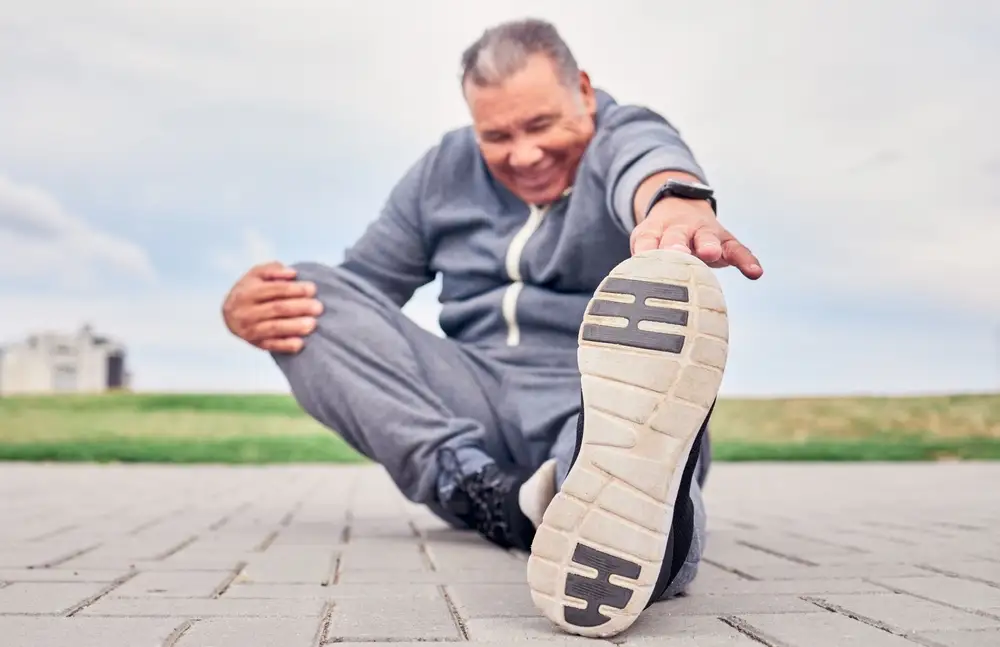

Getting back in shape often feels like a fresh start—a chance to regain energy, improve your well-being, and feel better in your body. Whether it’s after a long winter or a summer break, motivation is usually high, but protecting your feet is essential to avoid pain and setbacks.
Common Foot Injuries During Fitness Comebacks
Your feet bear significant pressure when you restart physical activity. Common injuries include:
Plantar fasciitis: Sharp heel pain, especially in the morning, caused by tension on the fascia under the foot, often linked to overuse or poor footwear.
Ankle or foot sprains: From sudden twists or uneven surfaces, symptoms include pain, swelling, and difficulty bearing weight.
Achilles tendinitis: Pain behind the ankle caused by overexertion or poor posture, which can become chronic if ignored.
Shin splints: Pain along the inner edge of the tibia, common in new runners due to muscle and bone stress.
Most injuries result from inappropriate shoes, rapidly increasing workout intensity, or biomechanical imbalances.
Choosing the Right Athletic Footwear
Proper footwear is crucial for foot health during fitness routines. Key features to look for include:
- Strong shock absorption
- Arch support
- Activity-specific design (running, walking, gym)
- Replace shoes after 500-800 km or at the first sign of discomfort
A podiatrist can recommend custom orthotics to correct posture and reduce strain. Learn more in our article on how to choose proper running shoes.
Warm-Ups and Stretches: Don’t Skip Them
Preparing your feet before exercise prevents injury. Recommended warm-ups include:
- Walking briskly for a few minutes
- Rolling a ball under your foot
- Stretching calves, arches, and Achilles tendons
Finish workouts with static stretches to support recovery.
Warning Signs Not to Ignore
If you experience any of these symptoms, consult a podiatrist in Quebec:
- Recurring heel or sole pain, even at rest
- Localized redness or heat
- Swelling or stiffness limiting walking
Early attention can prevent worsening conditions.
Preventive Power of Custom Orthotics
Custom orthotics benefit more than seniors. They help with:
- Overpronation or supination
- Recurrent foot or knee pain after activity
- Unusual foot shapes like high arches or deformed toes
By improving alignment and reducing muscle fatigue, orthotics enhance movement and comfort.
Common Questions About Foot Pain During Exercise
What are the signs of a serious foot injury?
Persistent pain, redness, warmth, or swelling are warning signs not to ignore.
Should I wear orthotics even if I have no pain?
Yes. Orthotics serve as prevention by correcting alignment before problems arise.
Is walking enough to stay in shape without risking injury?
Yes, if done gradually with proper warm-ups and footwear, avoiding overexertion.
Can I keep training with plantar fasciitis?
Consult a podiatrist who may recommend specific stretches or resting periods first.
Conclusion: Start Smart, Stay Pain-Free
Getting active again is rewarding but requires proper foot care. Choosing the right shoes, warming up, and listening to your body are essential. If pain appears, consult a podiatrist for solutions that help you keep moving comfortably.
Ready to protect your feet? Book an appointment today at a local podiatry clinic.