
Does a Herniated Disc Always Mean Surgery?
The pain from a herniated disc can drastically impact daily life, leading many to consider surgery. However, chiropractic care offers a natural, effective alternative to surgery and medication, providing relief and improving mobility. This article explains what a herniated disc is, when surgery is necessary, and how chiropractic treatment combined with healthy habits can enhance recovery and prevent recurrences.
What Is a Herniated Disc?
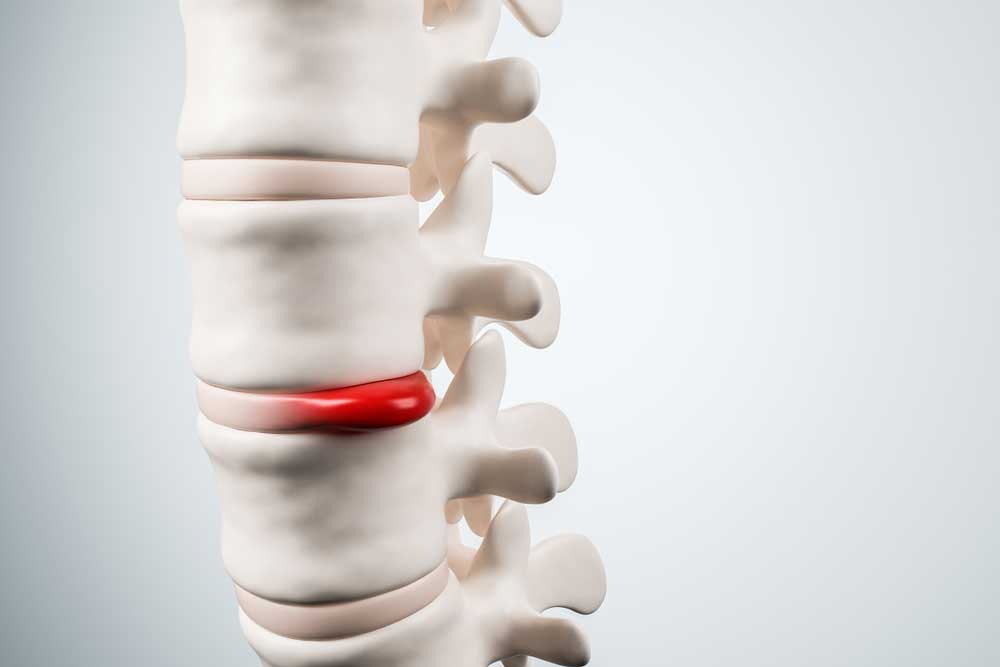
A herniated disc occurs when a tear in the protective membrane of an intervertebral disc causes the gel-like core to protrude. This displacement puts pressure on surrounding nerves, causing inflammation and pain, including lower back pain and sciatica.
Common Symptoms of a Herniated Disc:
- Lower back or neck pain: intense and radiating;
- Sciatica or radiculopathy: pain radiating down a leg to the foot;
- Stiffness and loss of mobility: difficulties with bending or twisting;
- Numbness or tingling: often in limbs or fingers.
These symptoms can severely limit daily activities and work, emphasizing the importance of early detection and treatment.
Is Surgery Always Necessary?
Surgery is only essential in specific cases such as prolonged major mobility loss, severe nerve compression, unresponsive conditions despite conservative care, or serious complications like cauda equina syndrome. Non-invasive methods like chiropractic care effectively relieve pain and restore mobility by realigning the spine and reducing nerve pressure, making it a valuable option for those avoiding surgery.
How Chiropractic Care Can Help Relieve a Herniated Disc
Chiropractic care provides a natural treatment focusing on pain relief, inflammation reduction, and improved movement without drugs or surgery.
Effective Chiropractic Techniques Include:
- Lumbar and disc decompression: gently reduces nerve pressure for lasting relief and better circulation;
- Specific adjustments: precise spinal manipulations that restore alignment and minimize nerve irritation;
- Manual therapies: muscle relaxation techniques that reduce tension and enhance flexibility.
Benefits of these treatments include:
- Improved mobility and smoother movement;
- Reduced chronic or acute back pain;
- Facilitated gradual return to daily activities, boosting quality of life.
The Benefits of Chiropractic Care to Avoid Surgery
Chiropractic care targets the causes of pain such as herniated discs and vertebral misalignments through manual adjustments, avoiding the risks and recovery time linked to surgery.
A Non-Invasive Alternative
This approach requires no anesthesia and tailors gentle techniques to individual needs, enabling patients to resume activities swiftly without pain.
Restored Quality of Life
Patients experience significant symptom improvement including pain relief, inflammation reduction, and enhanced mobility, allowing a return to normal life.
Personalized Care
Each case is unique and treated with customized plans including chiropractic adjustments, exercises, ergonomic advice, and postural corrections to maximize healing and prevent recurrence.
A Natural, Long-Term Solution
Chiropractic care addresses root causes safely and effectively, lessening future complications and supporting overall wellbeing.
Complementing Chiropractic Care with Healthy Habits
To optimize chiropractic benefits and avoid relapse, adopting healthy routines is crucial.
Recommended Exercises:
- Lower back stretches like child’s pose and cat-cow to relieve tension;
- Deep abdominal strengthening exercises such as planks to stabilize the spine.
Posture Tips:
- At work: keep screens eye level, support lower back, feet flat, avoid crossing legs;
- While sleeping: use firm mattress, maintain spine alignment with proper pillow placement;
- Lifting objects: bend knees, lift with legs, keep objects close to body.
Importance of Staying Active
Regular gentle exercises like walking, swimming, or yoga enhance circulation, reduce stiffness, and strengthen spinal muscles. Consult your chiropractor for personalized advice.
Precautions
- Avoid heavy lifting;
- Seek prompt care if symptoms worsen.
FAQs: Your Questions About Herniated Discs and Chiropractic Care
How long does a herniated disc last?
Recovery typically spans 6 to 12 weeks depending on severity, though symptoms may persist if untreated.
Is chiropractic care painful?
No, adjustments are gentle, precise, and tailored to ensure comfort and safety.
How soon will I see results?
Many patients improve after a few sessions, but progress varies; regular follow-ups adjust treatments as needed.
Make an Appointment with a ChiroRéseau Clinic
Don’t let back pain control your life. Chiropractic care offers a natural, effective path to regain mobility and wellbeing. Contact a ChiroRéseau clinic today for personalized support and the best care for your back.