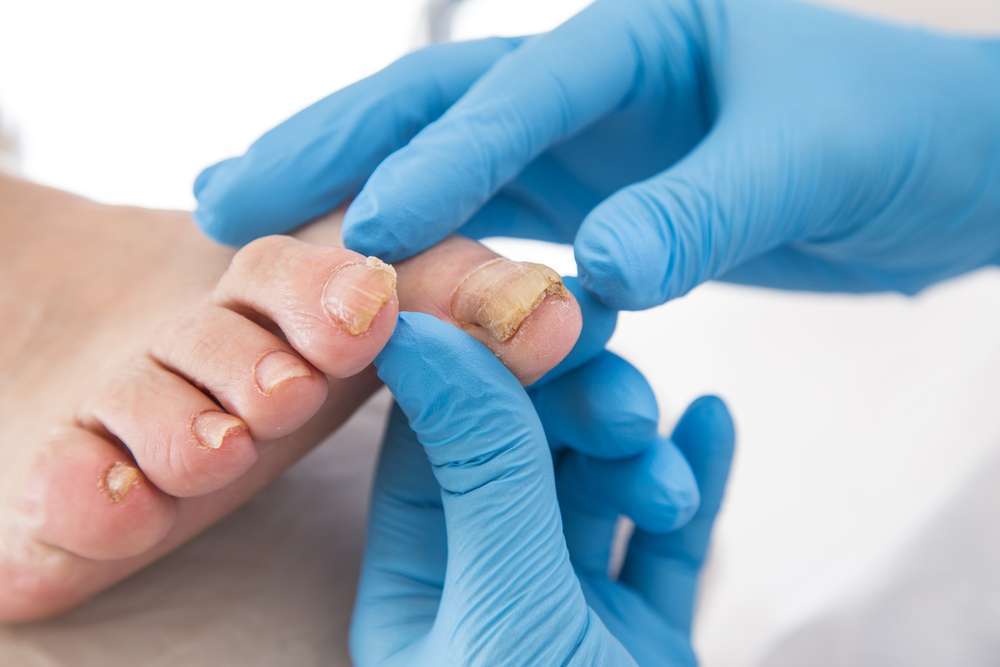

Nail fungus, also known as onychomycosis, is a common fungal infection affecting one or more toenails. It impacts about 6.5% of the Canadian population, with diabetics and individuals with weakened immune systems being particularly vulnerable. Proper foot hygiene plays a crucial role in preventing this infection, which can cause pain and interfere with daily activities.
Keep your feet dry
Fungi thrive in the warm, humid environment inside shoes. To prevent nail fungus, adopt practices aimed at reducing foot moisture, such as:
- Wearing socks and shoes that reduce humidity
- Drying your feet after wearing shoes
- Changing socks regularly, especially during hot weather
Maintaining a dry environment for your feet is essential to minimizing the risk of fungal infections.
Keep your nails short and neat
Proper toenail trimming helps prevent infections that could lead to fungal growth. Follow these guidelines:
- Wash your feet before trimming nails
- Trim nails following their natural shape
- Avoid cutting nails too short
- File your nails after cutting for a clean finish
Incorrect trimming can affect foot hygiene and comfort; when in doubt, consult a podiatrist for advice.
If you are diabetic, ensure that you monitor your mycosis
Diabetic individuals frequently experience nail fungus, with almost 30% affected. High blood sugar levels impair circulation and nerve sensitivity, increasing infection risk and delaying pain detection. Diabetics should consult a doctor promptly if they suspect any foot issues, even without pain.
The podiatrist, your specialist to prevent and treat foot mycosis
When home remedies fail to cure onychomycosis, timely consultation with a podiatrist is crucial. Do not delay seeking professional treatment to prevent worsening of the infection.