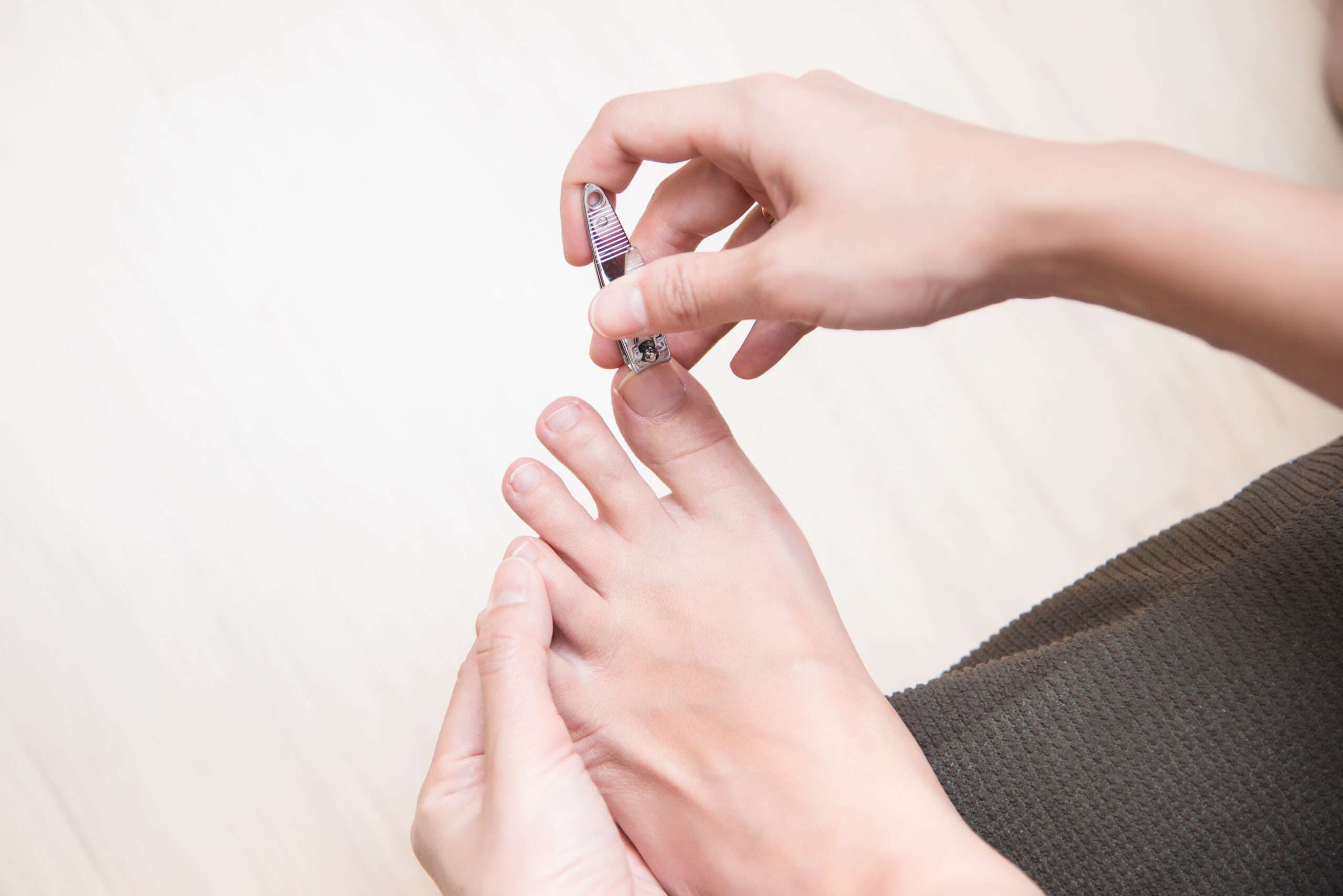

Treating an ingrown toenail at home is possible and essential to prevent complications such as inflammation or infection. An ingrown toenail (onychocryptosis) occurs when the nail pushes into the toe’s skin. Causes include improper nail trimming, poor foot hygiene, tight shoes, trauma, or foot onychomycosis.
Antiseptic solution
At the first signs of redness, swelling, or pain, soak your foot in warm water with Epsom salts or an antiseptic solution for about 15 minutes. This bath cleans the infected area and prepares it for treatment.
Cotton swab or dental floss
After soaking, dry your foot and gently clean under the nail. Place cotton soaked in antibiotic cream or use dental floss under the nail to lift it away from the skin, reducing pressure and pain. Handle carefully to avoid discomfort.
Antibiotic ointment
Apply antibiotic ointment or antiseptic solution twice to thrice daily to support healing. These products are available over-the-counter, but specialist advice is recommended for effective treatment.
Cutting your nails
Trim your nails straight and not too short to prevent recurrence once your nail grows back. Avoid trimming if there is ongoing inflammation; consult a podiatrist in doubt.
Open-toed shoes
Wear open-toed or comfortable, non-tight shoes during treatment to avoid aggravating your ingrown toenail.
Seek the advice of a podiatrist
Ingrown toenail treatment sometimes needs professional follow-up depending on severity. Improvement should appear within 7-10 days; if not, consult a footcare specialist to prevent complications.
People with diabetes, immunosuppression, hemodialysis, or poor leg circulation should avoid long-term home treatment and immediately seek professional care.
In doubt, consulting a podiatrist is always advisable. They can assess the situation, prescribe treatment, perform medical nail incisions, or even offer painless surgery.
Want to learn more about treating ingrown toenails?
Visit PiedRéseau to explore all available treatment options!