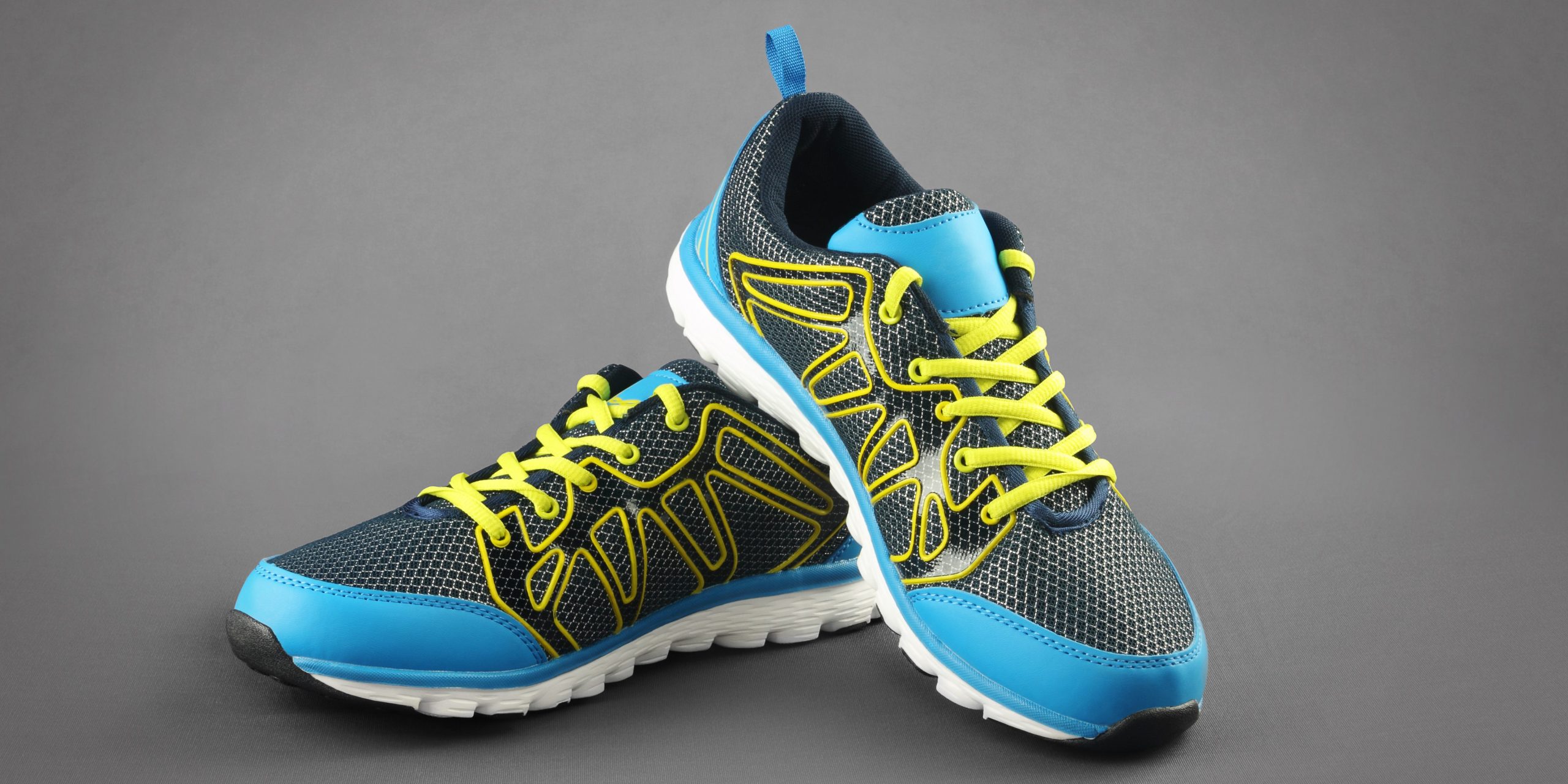

A good quality running shoe, one that absorbs impact and protects the feet comfortably, is essential for runners. Whether you are a beginner or experienced, taking the time to choose the right running shoes is key to avoiding injuries.
Here are some important tips to help you make the right choice.
Running shoe size
It is crucial not to choose a shoe model that is too tight or too large. During running, feet swell and grow several millimetres; a shoe that is too small can damage toenails, while a too large shoe may cause blisters. Select the right size that fits well, neither too big nor too narrow.
Weight versus the style of running shoe
Your weight affects the type of running shoe you should choose, as the shock absorption required varies accordingly. For runners over 175 pounds, shoes with more cushioning in the heel and forefoot are recommended. Your Body Mass Index (BMI) can guide your choice, and in some cases, alternatives to running might be advised for those with obesity. Consulting a podiatrist can help select the ideal model.
Choose running shoes (and nothing else)
To avoid injuries, always select shoes designed specifically for running, not multisport models. Running shoes offer better impact resistance tailored for the activity compared to multisport shoes, which are less protective.
Opt for foot comfort
Comfort is the most important factor when choosing running shoes, regardless of brand or style. Comfortable shoes minimize injury risk and promote proper running habits. A useful tip is to try the shoes with the socks you usually wear while running to ensure a good fit and comfort.
Your podiatrist can help you choose the right running shoe
For the best advice on selecting running shoes, consult your podiatrist. They are experts who can guide you appropriately based on your health and experience level. Do you want to avoid injuries when running? Consult a PiedRéseau clinic to make the right choice for your running shoes!