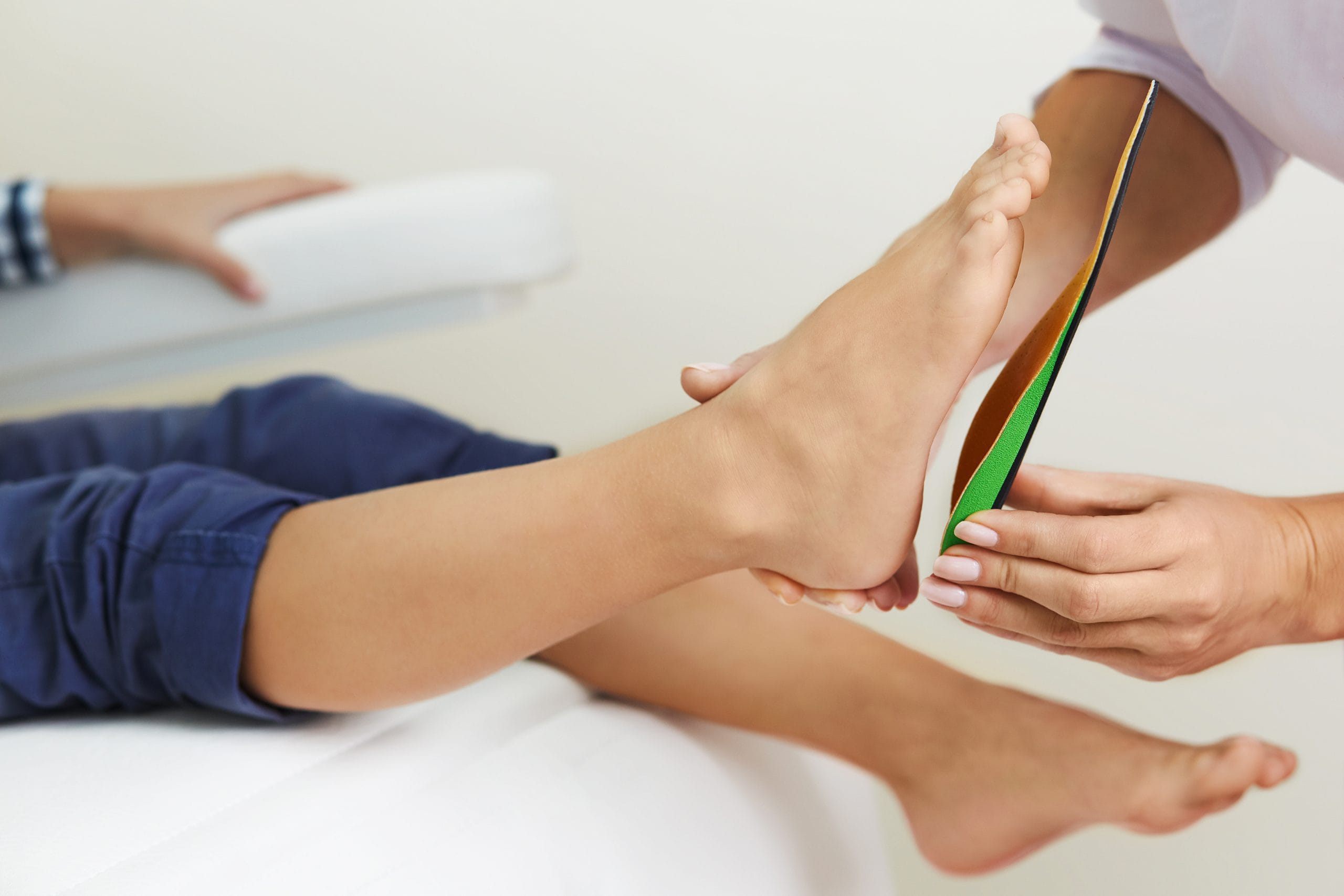

Choosing a 3D foot orthotic isn’t always easy, as there are various types depending on the condition being treated and the manufacturing method. It is important to be well-informed about the different models available on the market to offer the patient a support that is tailored to their foot and lifestyle.
Each Situation Has Its Own Foot Orthotic
Accommodative Orthotics
Accommodative foot orthotics cushion and relieve pressure on the foot, offering better weight distribution, moderate control, and comfort while standing or walking. They are often prescribed for osteoarthritis, arthritis, or diabetes, made from soft and flexible materials, and created using a 3D scan for a fully custom fit.
Functional Orthotics
Functional foot orthotics improve foot positioning to optimize body movement and posture. They treat various foot and lower limb conditions such as tendinitis, bursitis, sprains, fractures, corns, calluses, bunions, flat feet, or plantar fasciitis. Materials range from semi-rigid to rigid.
Therapeutic Orthotics
Therapeutic foot orthotics help restore balance for foot deformities like flat feet, high arches, and bunions by supporting the arch and heel. The precision of a 3D scan allows for fully custom-molded supports that meet specific patient needs.
Sports Foot Orthotics
Sports foot orthotics maximize athletic performance by supporting the foot according to the patient’s physical activity. They aid propulsion, absorb shock, and limit moisture buildup.
Different Types of Foot Orthotics
Prefabricated Foot Orthotics
Available over the counter, these are made from a standard mold and are less precise. They suit individuals with minor foot issues.
Custom Foot Orthotics
Prescribed by a podiatrist, custom foot orthotics adapt to the exact shape of the foot to provide targeted relief and correction for biomechanical issues and specific conditions.
3D Printed Foot Orthotics
Created from a 3D scan of the patient’s foot, these orthotics offer the highest precision and comfort, being fully molded and more effective than traditional custom models.
Adjustment Period for Foot Orthotics
Adjustment typically lasts one to two weeks as the body adapts to new foot orthotics. Gradual introduction is recommended, including for 3D models.
Choosing the Right Type of Foot Orthotic for Your Patients
Every patient’s requirements differ, so selecting foot orthotics tailored to individual needs ensures treatment effectiveness. 3D foot orthotics are the most precise and high-quality option. To learn more about 3D printed orthotics, contact the Skeltec team.