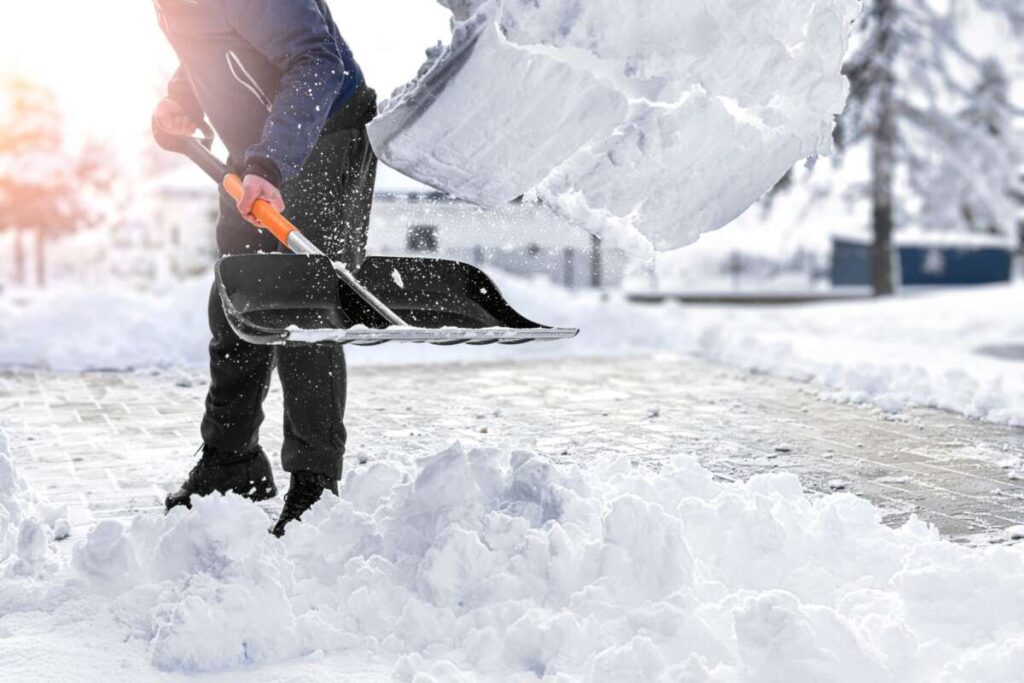

Winters put our roads to the test… and your feet too! After a heavy snowstorm, your feet endure harsh conditions: extreme cold, moisture, prolonged exertion, and slippery surfaces. Dealing with tasks like shoveling, wearing wet boots, and trudging through deep snow can create or aggravate foot issues. Here’s how snowstorms impact your feet and the best ways to protect them.
Shoveling: A Strenuous Effort That Puts Pressure on Your Feet
Shoveling repeatedly subjects your feet to repeated impacts, which can cause inflammation in tendons and muscles. With every scoop, your feet stabilize your posture and absorb shocks, especially on icy surfaces. Poor boots or posture can lead to foot pain, ankle strain, and knee discomfort. Heavy or sticky snow increases foot stress causing arch cramps, muscle tension, and joint fatigue. To prevent this, wear boots with non-slip soles, use custom orthotics if available, and take breaks to relieve foot pressure.
Walking Through Deep Snow: A Challenge for Your Muscles
Walking through deep snow demands more muscular effort. Insufficient boot support may cause plantar pain and increase the risk of plantar fasciitis. Moisture and tight shoes promote blisters and friction, while rigid boots may worsen bunions or cause toe pain. To minimize discomfort, select boots with proper arch support, add custom orthotics, and keep feet dry by changing socks regularly.
Slipping on Ice: A Risk for Your Joints
Icy surfaces greatly increase fall risks. Even unsuccessful slips can strain muscles or cause microtrauma in feet and ankles. Sudden twists may lead to sprains or ligament injuries. To reduce risk, wear removable ice cleats on boots, walk with shorter, slower steps to maintain balance, and consult a podiatrist if pain persists after slipping.
After Shoveling: How to Care for Your Feet
Post-shoveling foot care is essential for recovery. A warm footbath followed by deep hydration prevents cracks and dryness caused by cold. Elevating feet improves circulation and reduces swelling. Watch for red flags like pain lasting over 48 hours, burning, arch tightness, numbness, worsened walking pain, or joint discomfort in ankles/knees. Such signs may indicate poor foot alignment due to strain or improper footwear. Consult a podiatrist for personalized assessment and treatment to avoid complications.
PiedRéseau Cares for Your Feet This Winter
Snowstorms affect your feet, leaving fatigue, pain, or muscle tension after weeks of exposure. Solutions exist to restore comfort and mobility. PiedReseau podiatrists offer specialized treatments for winter-related foot pain and injuries, including custom orthotics, laser therapy, taping, injections, and personalized advice. They help you face winter without foot problems impacting your well-being.