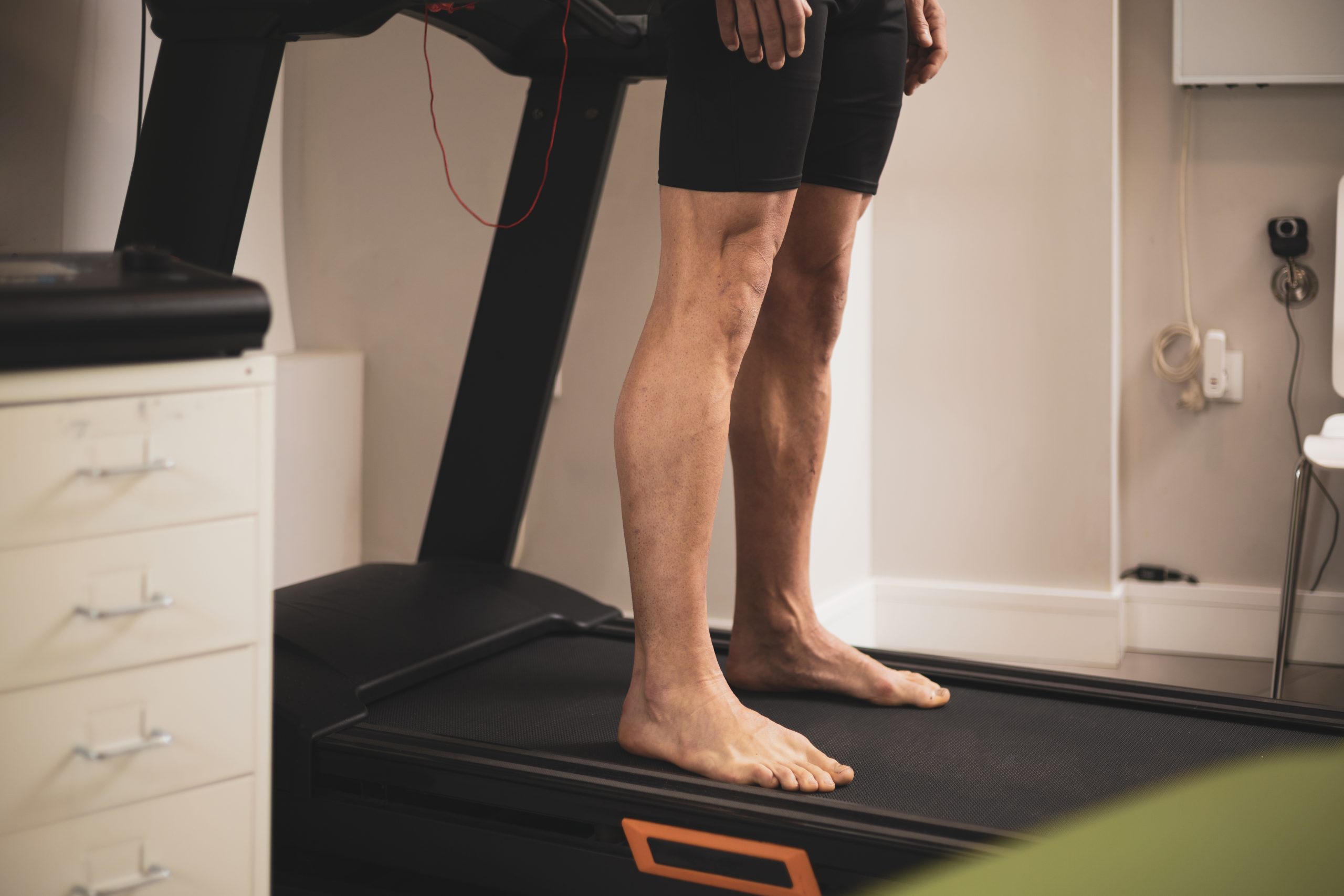

The biomechanical examination is a comprehensive evaluation of the foot and lower limbs, analyzing both muscular and skeletal components. It includes the study of the foot at rest and in motion to detect various pathologies such as misalignments and deformities. This examination is especially recommended for recurring discomfort, pain, or walking difficulties.
Get a biomechanical exam if you are an athlete
Incorrect movements and poor posture during sports can lead to issues, especially in high-impact activities like jogging, which stress the feet. Many runners adopt improper foot positioning, causing pain and injuries.
With a biomechanical examination, a podiatrist can precisely analyze foot positioning during walking and better understand the problem. They can then recommend solutions like appropriate footwear, orthotics, or strengthening exercises to relieve pain, prevent injuries, and enhance athletic performance.
Biomechanical examination to identify pressure points
During daily activities or exercise, some foot pressure points endure more stimulation, which can worsen sensitivity or poor posture issues. This often leads to skin reactions such as corns, calluses, or dead skin in addition to musculoskeletal problems.
A podiatrist can treat these disorders, but to prevent recurrence, a biomechanical examination of the foot is advised to identify and correct the root cause.
Have a biomechanical examination if your shoes are wearing out quickly
Rapid wear of shoes may signal a foot deformity. A podiatrist can perform a biomechanical examination to diagnose the deformity and suggest remedies.
Orthotics are often recommended to support the foot and adjust pressure points in deformities such as hallux valgus.
Wearing quality, well-fitted footwear is crucial, as poorly fitted shoes or high heels can exacerbate foot problems and accelerate shoe wear.
Have a biomechanical examination for knee deformity
A biomechanical exam can also detect knee deformities like valgum knee, characterized by inward deviation of the knees. This condition affects skeletal alignment and may cause immediate or long-term issues.
The podiatrist assesses the deformity visually, evaluates gait dynamically, and examines pressure points while standing. Restricted movements can be detected through unloaded assessments, allowing a thorough diagnosis and care plan.
Have a biomechanical examination to better understand the origin of the problem
The biomechanical examination offers podiatrists a clear insight into foot and lower limb conditions, whether during routine visits or specific consultations. It benefits athletes and individuals suffering from chronic pain alike.
Schedule a biomechanical foot examination at PiedRéseau clinics to address issues early and enhance comfort and function.