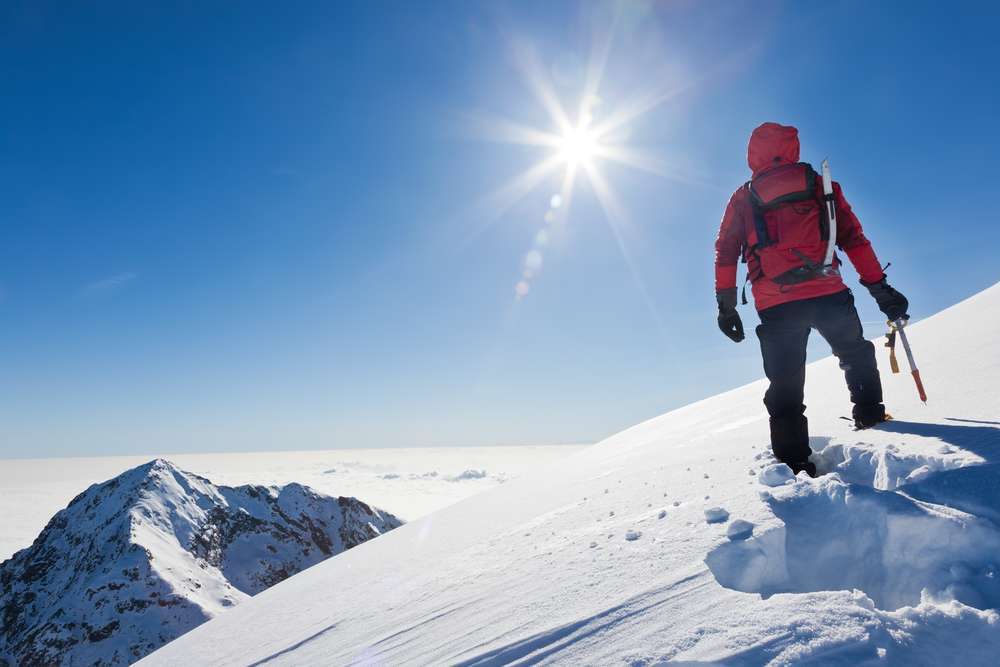

Winter climbing presents unique challenges, especially with cold temperatures that increase the risk of frostbite. Understanding frostbite risks and prevention is essential for a safe and enjoyable climb.
What Causes Frostbite on Your Feet?
Blood circulation is significantly impaired by cold conditions as blood vessels narrow to preserve warmth for vital organs. This reduction limits oxygen to your feet’s muscles and skin, increasing susceptibility to frostbite, especially at higher altitudes. Early frostbite symptoms include skin tingling and redness, evolving to white, waxy skin and potentially blistering. Severe frostbite can cause tissue damage or necrosis, emphasizing the importance of preventive measures to protect extremities like feet, fingers, ears, and face. For more details on treatment, see frostbite treatment.
The Risks of Frostbite While Climbing
Frostbite impairs dexterity and sensation in hands and feet, vital for climbing performance and safety. Loss of movement and feeling complicates climbing and increases risk. Severe frostbite may require amputation to prevent further injury, as it causes swelling, pain, and tissue death. However, following proper precautions lowers these risks significantly.
How to Prevent Frostbite During Winter Climbing
Preparation is crucial to prevent frostbite. Acclimate to altitude to improve oxygenation and consider oxygen support if ascending high elevations. Check weather conditions, especially temperature and wind chill, since wind increases heat loss. Stay hydrated to maintain circulation, and care for feet by moisturizing dry or damaged skin before climbing.
Dress in layers to trap warmth, warm up before wearing gear, and minimize exposed skin. Use breathable, moisture-wicking socks beneath insulating wool socks. Regularly move your toes during the climb to encourage blood flow and heat retention.
What to Do if You Get Frostbite
If frostbite is suspected, avoid rubbing the area to prevent further damage. Warm the affected area by pressing it against a warm body part or soaking it in lukewarm water—not hot. Gradually resume toe movement but avoid putting weight on the area. If symptoms persist or skin stays white, consult a podiatrist immediately for proper assessment and treatment.