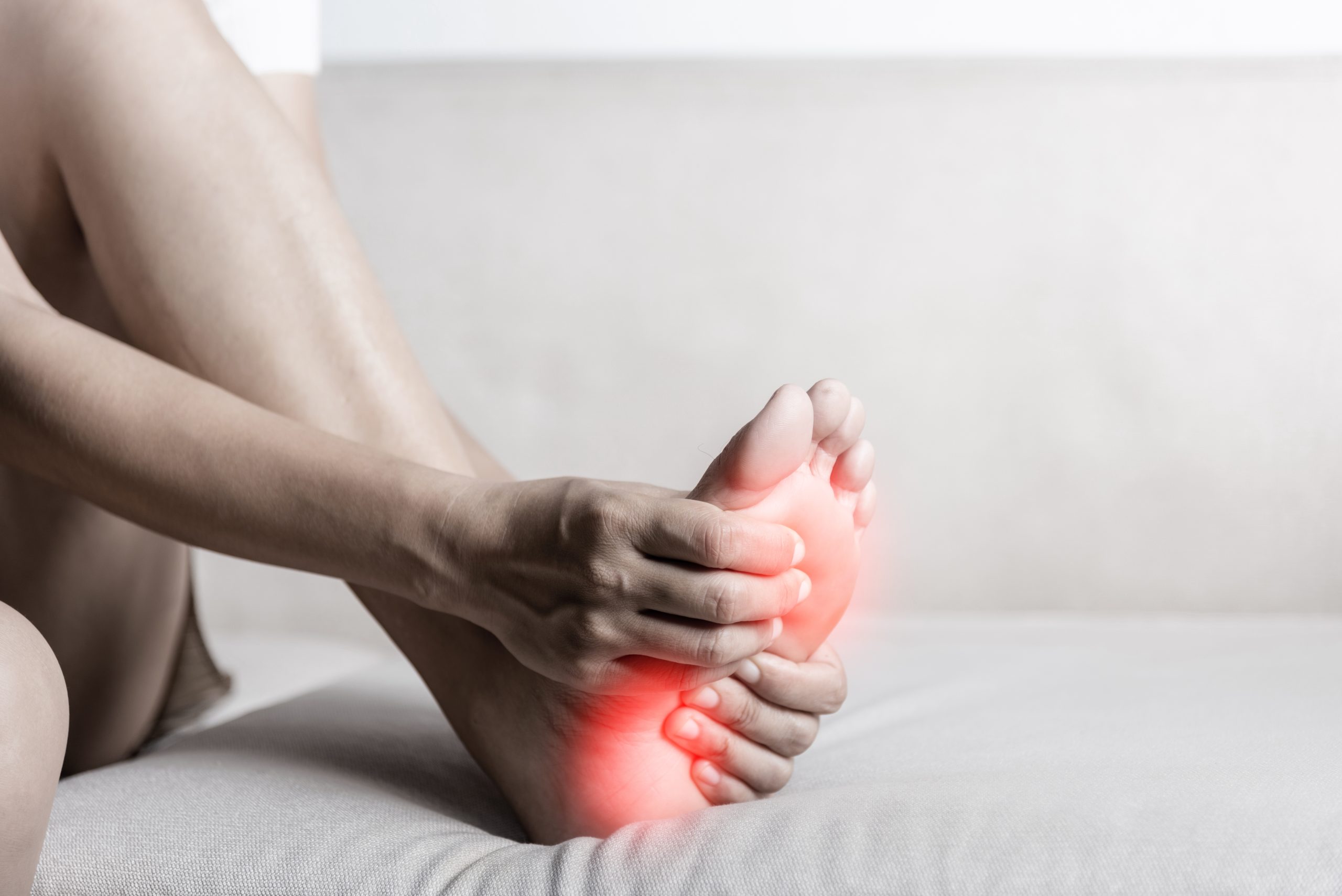

A cramp is an unexpected, sudden muscle contraction caused by nerve action. Foot cramps can be very painful, sometimes lingering long and often linked to various causes and susceptible demographic groups.
Causes of foot cramps: the individual
Individual health plays a major role in foot cramps occurrence. Common causes include inadequate hydration, mineral deficiencies, and poor blood circulation. Groups like the elderly and pregnant women are more vulnerable due to dehydration effects. A lack of magnesium and mineral-rich fluids are frequent contributors to foot cramps.
Athletes, especially runners who exert muscles extensively, are prone to foot cramps due to heavy sweating and insufficient warm-up or stretching. To prevent cramps, it is advisable to stay hydrated before feeling thirsty, maintain a balanced diet to avoid deficiencies, and massage tight muscles using a tennis ball or manual pressure.
Causes of foot cramps: diseases
Some medical conditions increase susceptibility to foot cramps, particularly disorders affecting the endocrine, neurological, and blood systems. Diabetes with fluctuating blood sugar can trigger painful leg or foot cramps through nerve responses causing abrupt muscle contractions.
Parkinson’s disease leads to muscle stiffness and cramps, sometimes limiting physical activity. A lack of mobility itself can cause foot cramps. Other problems like blood circulation issues or multiple sclerosis also contribute to muscle tension and cramps.
Relief methods include stretching, massaging, warming the area, and drinking adequate water. Consulting a doctor about cramp severity and frequency is essential for proper management and restoring quality of life.
Causes of foot cramps: physical activity
While exercise generally promotes health, excessive or unprepared physical activity can cause foot cramps. Both intense mobility and prolonged inactivity may provoke muscle spasms.
Proper warm-up of the feet for at least five minutes before exercise helps prepare muscles and reduce risks like sprains. Maintaining hydration before, during, and after activity is crucial to replenish minerals lost through sweat. Drinking small sips during exercise helps sustain comfort.
Post-workout stretching of major lower body muscles is vital to prevent stiffness and tension, reducing foot cramp incidents.
Determining the most effective treatment for foot cramps
Foot cramps vary in frequency and intensity with multiple causes. Undergoing a podiatric assessment with a PiedRéseau foot care specialist can help identify the origins of your cramps. Based on the evaluation, a podiatrist will recommend personalized prevention and treatment strategies to effectively manage foot cramps.