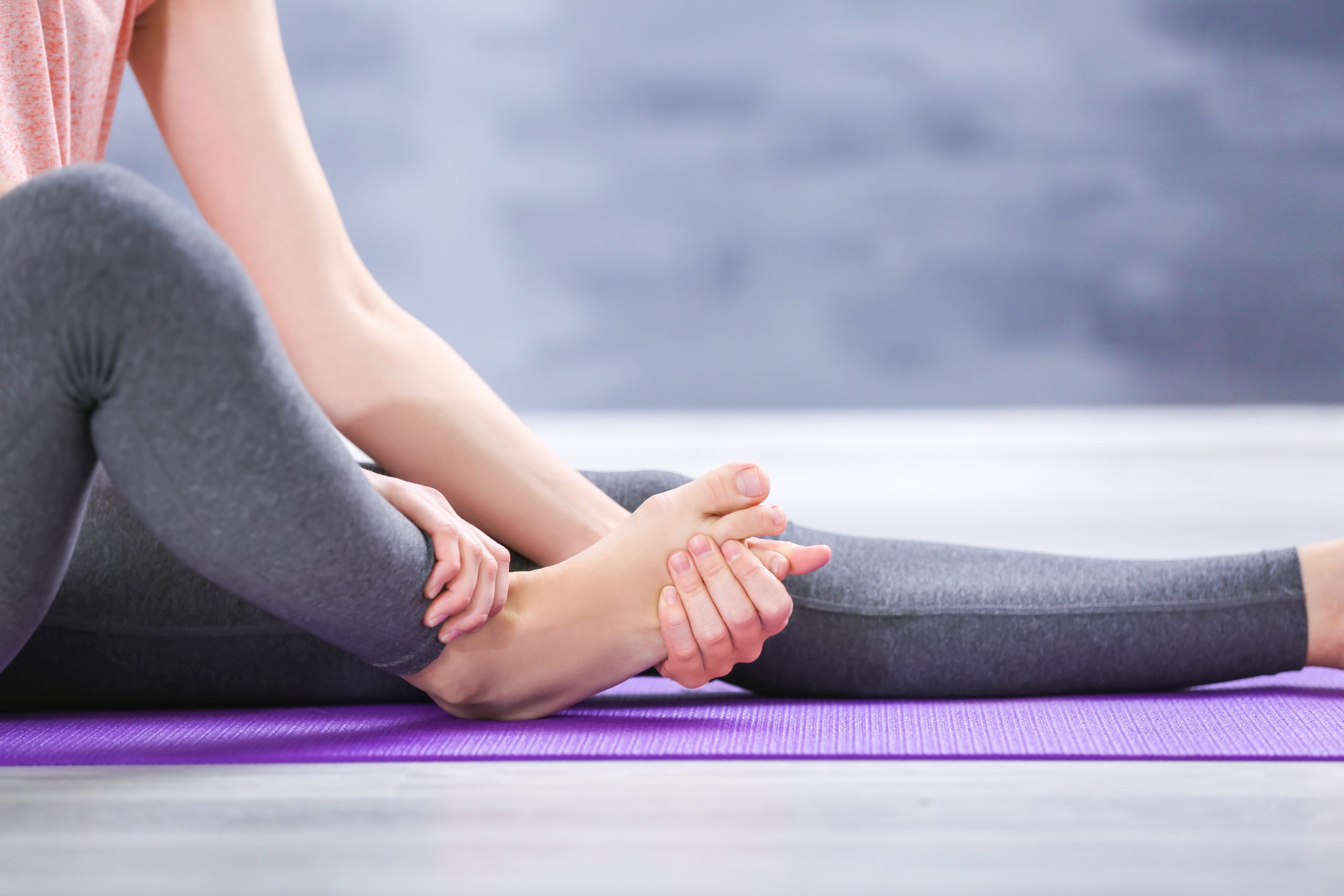

Muscle cramps in the feet can be sudden and painful, but there are effective ways to relieve them quickly.
Understanding the causes of foot cramps helps in managing and preventing them effectively.
What causes the cramps?
Cramping is the involuntary and painful contraction of muscles. They often appear unexpectedly, making causes hard to pinpoint. Certain groups are more at risk, including seniors, pregnant women, and athletes like joggers.
Foot cramps have multifactorial origins including medical, metabolic, and sporting factors.
Medical causes include:
- Diabetes
- Circulatory disorders in the lower limbs
- Neurological conditions such as multiple sclerosis and Parkinson’s disease
- Hypothyroidism
- Peripheral artery disease
Sports-related foot cramps can be triggered by:
- Insufficient hydration
- Poor warm-up and lack of stretching
- Overexertion and excessive sweating
- Unsuitable training methods
Additionally, sedentary lifestyles and certain medications may contribute to cramps.
What to do in the event of a cramp?
Cramps appear rapidly, often at rest or during activity. Immediate relief steps include:
- Stretch the affected muscle: For arch cramps, sit and pull your toes upward for 30 seconds.
- Massage the painful area: Vigorously massage the sole and surrounding muscles; use a tennis ball for better effect.
- Apply body weight: Engaging muscles and tendons helps relieve cramps.
- Walk to stimulate muscles: Continue stimulating the foot to prevent recurrence.
- Use a warm compress: Heat relieves muscle tension.
- Rest your feet: Avoid overworking muscles to reduce cramp occurrences.
If cramps are frequent or severely impair mobility, consulting a podiatrist is advisable for tailored treatment.
How to avoid cramps in the future?
Preventive measures help reduce foot cramps discomfort:
- Stay well hydrated
- Exercise regularly
- Stretch and warm up properly before and after physical activity
- Wear footwear adapted to your feet
- Maintain a healthy and balanced diet
When to consult a podiatrist?
Consult a podiatrist if cramps become intolerable and disrupt daily life. Through biomechanical exams or postural evaluations, the cause can be identified and treated. For instance, morphological causes may need plantar orthotics, while sports-related cramps might require manual therapy.