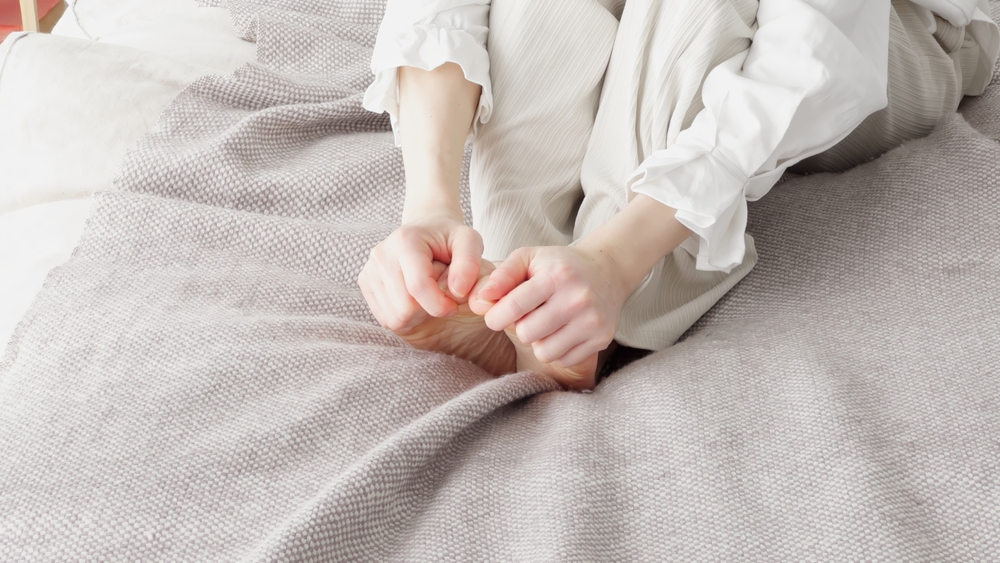

Winter often causes joint pain in the feet due to reduced circulation and muscle contraction in cold temperatures. Vasoconstriction limits blood flow to extremities, making feet colder and stiffer, while tightened muscles strain joints. Those with arthritis or inflammatory conditions are particularly affected. Managing this discomfort starts with proper preparation to protect your feet and joints effectively during winter.
Why Does Winter Cause Joint Pain in the Feet?
Feet feel cold and achy in winter because blood vessels contract to preserve core temperature, leading to decreased oxygen supply in feet. This vasoconstriction causes stiffness and pain. Muscle contraction due to cold puts extra strain on joints, intensifying symptoms for people with arthritis or damaged cartilage. Joint pain in winter is thus common but manageable with proper care.
Dressing Your Feet for Winter: The Right Shoes and Socks
Protecting feet from cold starts with appropriate clothing. Wearing absorbent cotton socks to wick moisture, topped by warm wool socks to retain heat, is ideal. Avoid layering more than two pairs to prevent circulation issues. Footwear should be waterproof, insulated, and have thick soles. A soft, comfortable lining helps keep feet and joints warm for outdoor activities like walks or snow shoveling.
Prevent Winter Pain by Looking after Your Feet
Hydration plays a crucial role in joint health during cold months. Synovial fluid lubricates joints and comprises mainly water, so staying hydrated supports its effectiveness and protects joints from wear. Drinking small amounts regularly and increasing fruits and vegetables intake helps maintain joint health.
Feet also require skin care as they dry quickly due to lack of sebaceous glands. Weekly exfoliation after lukewarm soaking promotes skin renewal, followed by applying nourishing foot cream to prevent chapping and cracks. Diabetics need to be particularly cautious to avoid infections impacting joints.
Keeping Your Joints Healthy with Podiatric Advice
To enjoy winter comfortably, tailor your socks and footwear to your activities and warm up muscles before exposure to cold to reduce injury risk. Consulting a podiatrist provides personalized advice for maintaining foot and joint health, ensuring you can fully benefit from the colder season. For more tips, visit this podiatric guide.