
Whether you’re a runner, skier, or avid walker, healthy feet are instrumental to ensuring the best athletic performance.
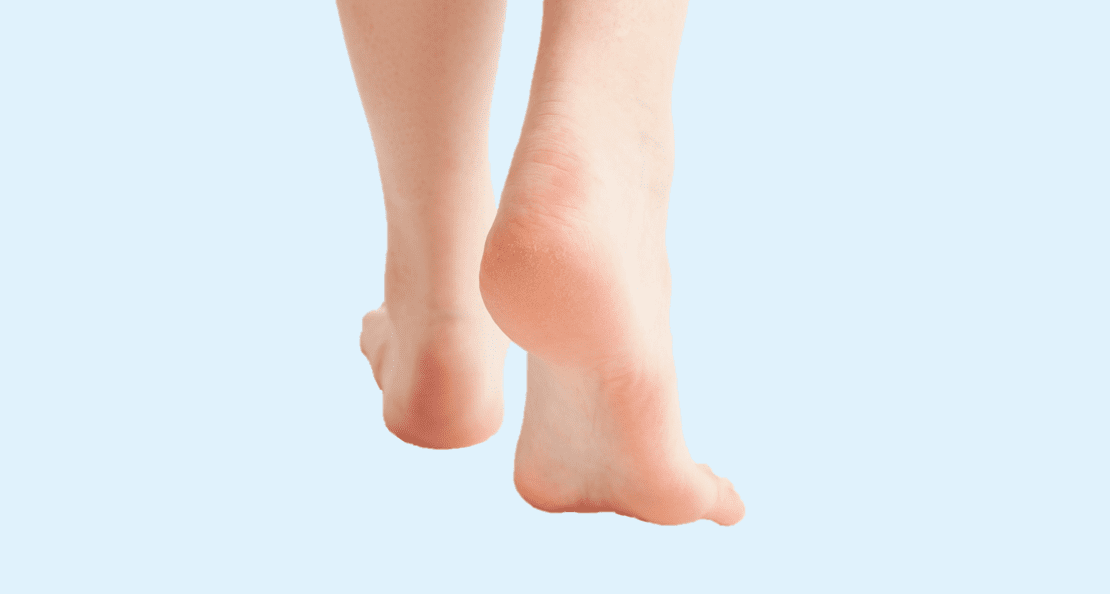
Dealing with a deformity like the cavus foot, characterized by a rigid and pronounced arch, affects the entirety of your body. Despite its impact on foot grip, cavus foot doesn’t have to hinder your favorite physical activities. Here are some tips to adapt your sports to a cavus foot and continue playing without pain.
What shoes are best suited for your sport if you have a cavus foot?
Like flat feet, cavus foot can affect your athletic performance by causing:
- Unstable movements;
- Poor shock absorption;
- Ankles more prone to sprains;
- Frequent calf cramps;
- Hammertoes;
- Increased ligament and muscle tension;
- Supination.
These issues reduce physical output quality and increase injury risk. Thus, choosing the right footwear tailored to cavus feet specifics is vital. Your shoes should be flexible, have thicker soles for shock absorption, and curved soles to facilitate fluid gait.
Cavus feet and skiing
Plantar deformities from a cavus foot can make putting on ski boots challenging. But don’t give up! You can enjoy skiing as much as running or walking.
Watch out for signs indicating improper ski boots:
- Recurring foot cramps during skiing;
- Burning sensation under the forefoot;
- Friction on bony contours of outer ankles;
- Difficulty keeping skis flat on slopes.
If you notice these signs, consult a podiatrist. Using biomechanical examination, 2D/3D digital imaging and postural evaluation, the severity of your condition can be assessed.
Cavus feet and running
Surprisingly, cavus foot can be beneficial for runners by enabling faster starts and abrupt direction changes.
However, inappropriate shoes increase injury risk, such as:
- Plantar fasciitis;
- Metatarsalgia;
- Heel spur;
- Bunion;
- Iliotibial band syndrome (ITBS);
- Achilles tendinitis.
Whether running on roads or trails, cavus foot alters terrain handling. Fortunately, podiatrists offer solutions such as custom foot orthoses and fitted running shoes.
Cavus feet and walking
Even if walking is your preferred activity, be mindful of your cavus foot. To avoid joint and muscle overload, choose running shoes with thick, cushioned soles.
Monitor wear on soles for signs of condition progression or posture changes. Replace your footwear regularly, just like running shoes, to prevent injuries and reduce strain.