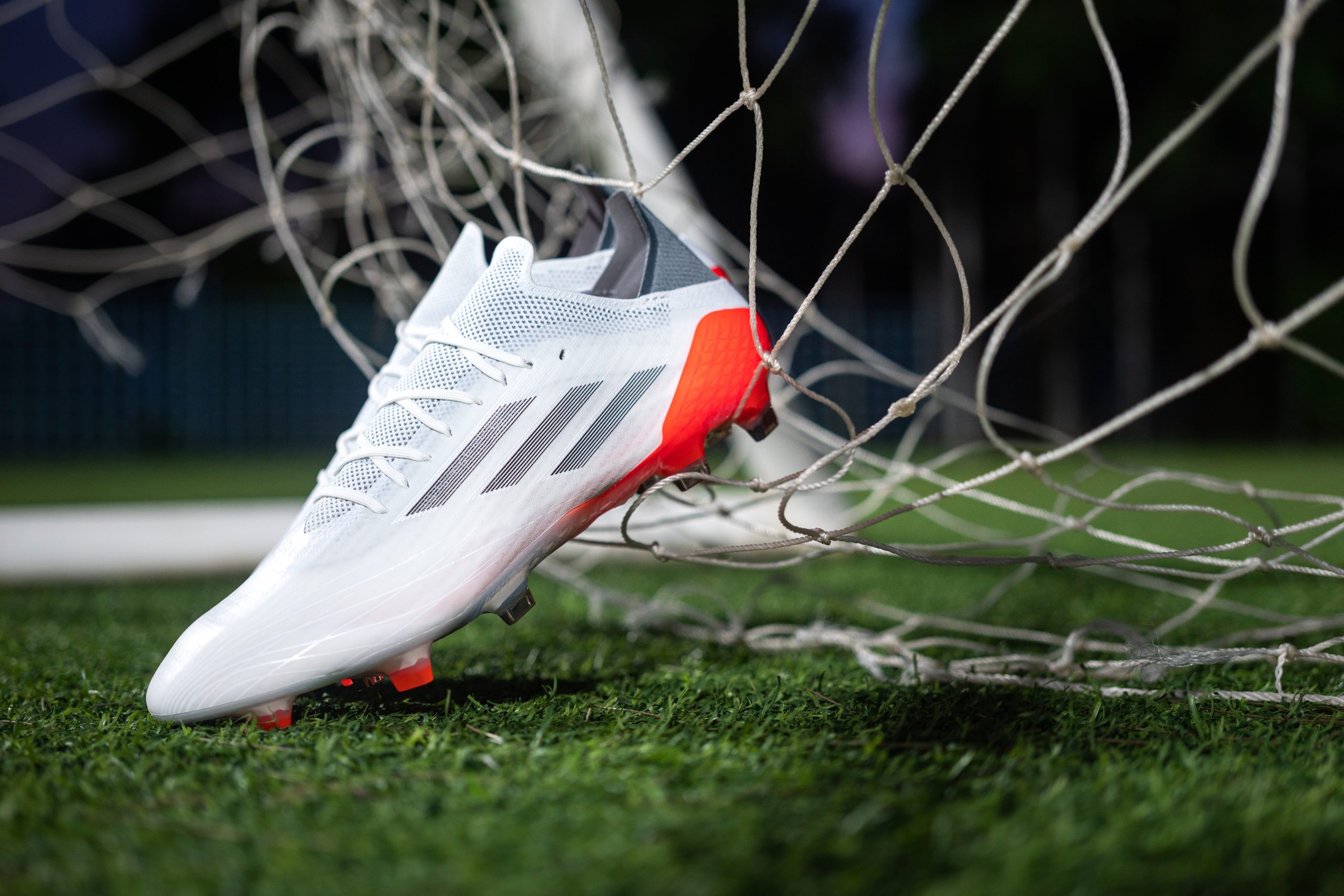

Cleated shoes are essential in sports like baseball, rugby, and soccer because they improve footing and performance. Selecting the appropriate cleats for the terrain is crucial for maximizing effectiveness and safety.
The development of cleated shoes
Cleated shoes began in England in the 1500s with simple leather soles and studs to enhance grip. A major innovation came in 1954 with the introduction of screw-in cleats during the World Cup final, along with a shift from high-top to low-top designs.
Modern cleats have evolved significantly, benefiting from new materials like microfiber, which is lighter and wicks moisture better than leather. The soles are now more resilient and flexible (source), while cleat design varies according to different playing surfaces.
Today’s cleated shoes are engineered not only for comfort but to actively enhance player performance.
Cleated shoes for various surfaces
Each type of terrain—artificial, natural, hybrid, indoor, dry, compact, or greasy—requires cleats specifically matched to it. Correct cleats improve traction and safety for players.
For winter activities like running or hiking in snow, specialized mountaineering cleats or soles with built-in cleats help prevent slipping (more info).
Cleated shoes: types of cleats
Common cleat types include “firm ground” (FG), suitable for dry natural and artificial grass; “artificial grass” (AG) cleats, shorter and softer for that surface; and “soft ground” (SG) cleats, designed for wet, muddy, or oily fields to prevent slipping.
Other types include HG or TF cleats for firm surfaces like asphalt or clay, and IC or indoor cleats for smooth indoor courts.
For hiking, options vary from classic chain-linked cleats, semi-automatic cleats attached to the sole, to anti-slip pads with small cleats on a rubber base.
The benefits of wearing cleats
Wearing cleated shoes not only enhances sport performance and enjoyment but also provides safety benefits by reducing risks of fractures, sprains, and fissures. Proper cleats offer better grip and injury prevention.
Using the right cleats for your terrain
Matching your cleats to the playing surface is essential for optimal performance and injury prevention. Before purchasing sports shoes, identify the terrain where you will play most often (learn more).
If you have foot issues, consult a PiedRéseau podiatrist for personalized advice on suitable footwear and sports activities.