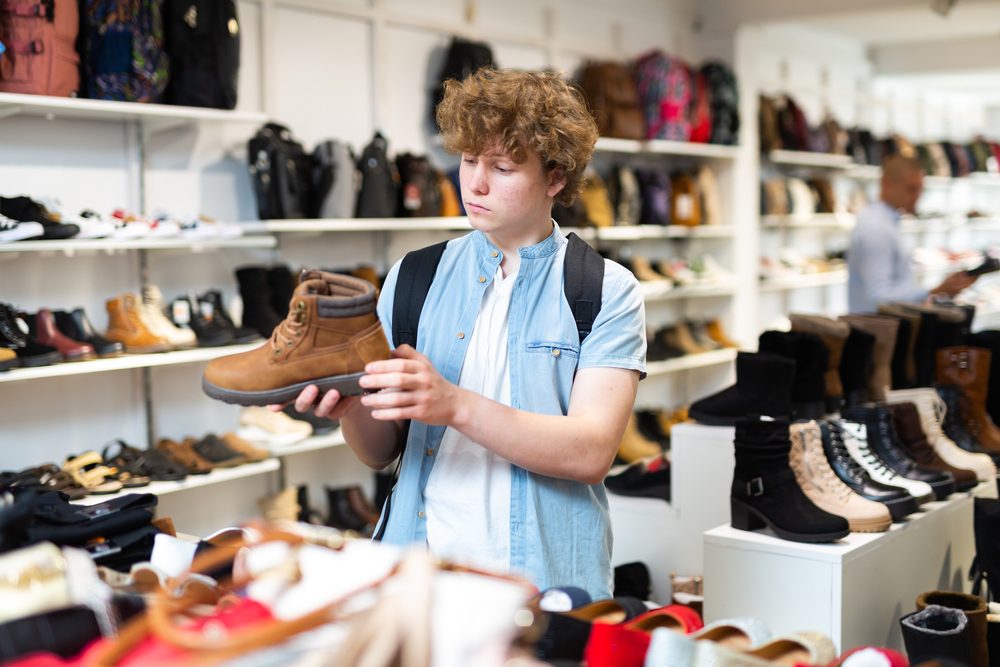

As forests turn golden and the air grows damp and chilly, it’s time to swap sandals for something warmer. Fall is settling in, and along with scarves and sweaters, it’s essential to equip your feet properly to enjoy the outdoors without discomfort. Choosing the right fall shoes ensures comfort, safety, and protection during the season.
Here’s a practical guide to choosing the best types of fall shoes for comfort, safety, and seasonal protection.
Hiking shoes and boots for fall
Whether you occasionally hike for recreation or are a seasoned hiker, the footwear you choose is crucial for comfort and safety during your activity. Fall hiking footwear comes mainly in two types:
- Light hiking shoes: similar to running shoes, suitable for easy terrain.
- Hiking boots: provide ankle support, suited for rough or hilly paths.
Consider the trail conditions—steep or flat, wet or muddy, and the duration of your walk—to select features such as waterproofing, thermal lining, or ankle support. When trying shoes, ensure they are snug but not tight, flexible with your foot, and lightweight. Leather usually lasts longer than synthetic materials, and insulation is vital to keep your toes warm during colder days.
Fall Footwear: Rain Boots
Rain boots are both practical and stylish choices for fall. Key features to look for include:
- Waterproof rubber material to keep feet dry
- Insulated lining to maintain warmth
- Knee-high models offer more protection compared to ankle-length versions
Opt for boots with slip-resistant soles, especially useful in rural or muddy areas. Also, consider the heel height, as excessive height may affect posture and stability.
Running shoes for fall snow
The first snows of fall may be light but create slippery conditions for runners. The ideal running shoes for fall snow should have:
- Waterproofing
- Grippy, textured soles
- Thermal insulation
Summer running shoes may lack the warmth and traction needed later in the season. Select models adaptable for early winter, some with add-on cleats or winter-ready soles.
Fall Running Shoes: Trail vs. Urban
City runners should choose shoes that absorb impact on hard pavements with smoother soles, while trail runners need more rugged footwear to handle rocks, slopes, and offer grip on uneven or slick surfaces. Hybrid options are available for transitioning between pavement and trails. Whatever the choice, proper arch and heel support and a snug but comfortable fit are essential.
Common Questions About Fall Shoes
Should I use different shoes for fall and winter?
Yes. Winter shoes usually require more insulation and superior grip than typical fall shoes.
Can I use orthotics in rain boots?
Yes, if the rain boots have removable insoles and enough space to accommodate the orthotics.
How do I know if my shoes are warm enough?
Your feet should stay dry and warm after 30 minutes outdoors; a good shoe balances heat retention and breathability.
Do I really need textured soles in the fall?
Yes. Textured, slip-resistant soles reduce the risk of falling on wet leaves, gravel, or mud.
When Foot Conditions Make Any Shoe Uncomfortable
If you suffer from plantar pain, arthritis, or deformities, standard shoes may not provide adequate comfort. Consulting a podiatrist is recommended; a foot exam can guide appropriate fall shoe selection to ensure warmth and comfort.