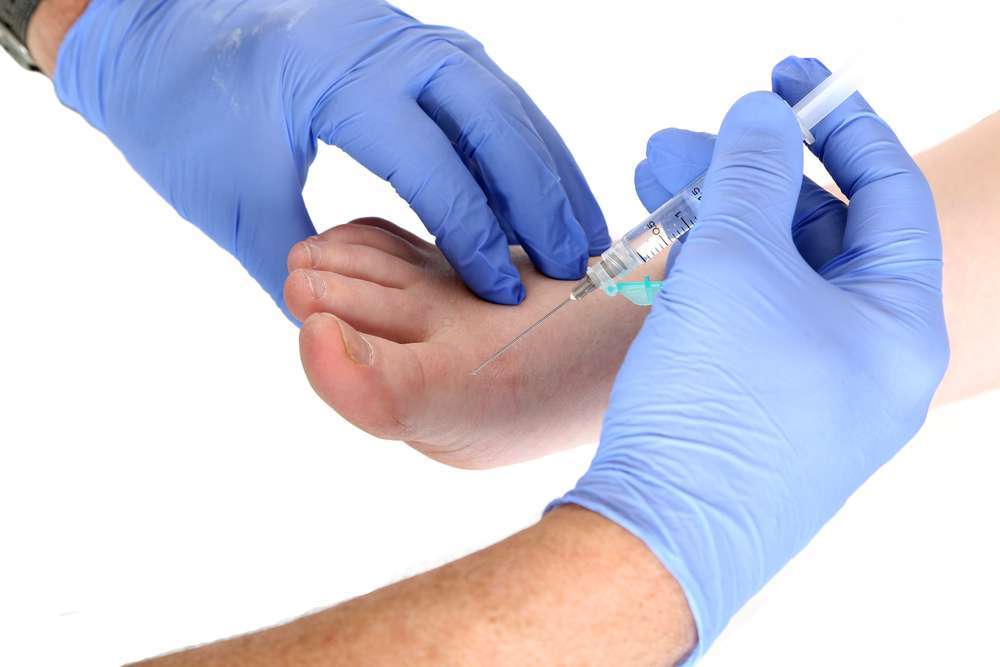

Cortisone injections are an effective option in podiatry to reduce inflammation and relieve chronic foot pain when conventional treatments fail. This treatment targets joints, bursae, nerves, or tendons to improve mobility and alleviate discomfort.
What to Know About Cortisone Injections in Podiatry
In podiatry, cortisone injections are commonly used to treat inflammatory pain caused by chronic conditions, arthritis, or injuries. Inflammation from damage manifests as pain, swelling, and redness. Cortisone, a natural hormone, is converted into corticosteroid drugs to reduce this inflammation and quickly relieve foot and ankle pain.
This intervention is recommended when conservative therapies fail and pain impacts daily life. The number of injections depends on the severity of the issue. Cortisone injections reduce inflammation and restore mobility, accelerating recovery. Effects can last weeks or months, often with fewer side effects than oral cortisone medications.
Foot Conditions That Can Be Treated with Cortisone Injections
Cortisone injections effectively manage several inflammatory foot conditions.
Plantar fasciitis causes inflammation of the fibrous tissue on the foot’s sole, leading to heel pain and stiffness, especially after rest. While orthotics and laser therapy are standard treatments, cortisone injections can reduce inflammation and speed recovery when pain is severe.
Degenerative joint diseases like arthritis can also benefit from these injections. Arthritis causes stiffness and walking difficulties, worsened by inactivity. By reducing joint inflammation, cortisone injections encourage movement, helping slow arthritis progression and decrease pain.
Patients with Morton’s neuroma, an inflamed nerve condition marked by burning, tingling, and a lump sensation under the toes, may find relief with cortisone injections that reduce nerve swelling and improve daily function.
Pros and Cons of Cortisone Injections
Cortisone injections have advantages and risks. They’re typically reserved for patients unresponsive to non-invasive treatments. A podiatrist assesses the condition and determines injection frequency.
Ultrasound guidance during injection can improve accuracy and reduce complications. Injections provide rapid relief and have fewer systemic side effects compared to oral corticosteroids, which may cause weight gain, bone weakening, or high blood pressure with long-term use. Temporary injection site redness or soreness may occur. Diabetic patients should monitor blood sugar closely after treatment.
Alternative Solutions to Cortisone Injections
If cortisone injections are unsuitable, alternatives like shockwave therapy or therapeutic laser treatments are options. During a podiatrist consultation, a personalized plan can be designed to restore foot comfort and mobility after thorough assessment.