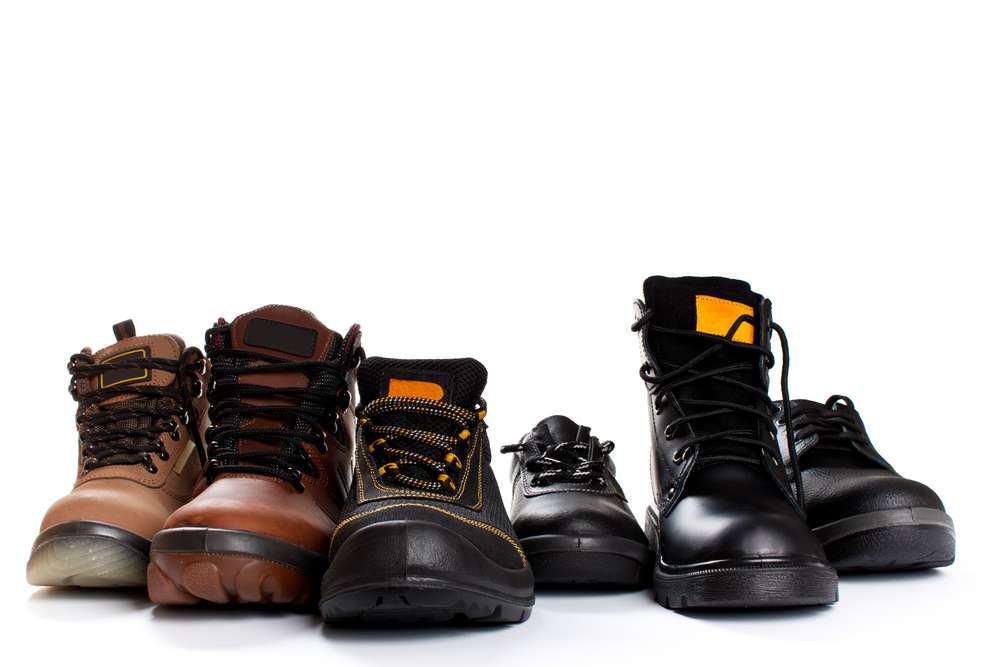

A steel cap shoe must meet several important criteria to ensure comfort and safety. As essential protective footwear, steel toe boots must be chosen carefully by considering key factors for effective protection.
Adherence to safety standards
A steel toe shoe must comply with the CAN/CSA-Z195-02 standard, which evaluates protective footwear based on shoe design, toe protection, electric-shock protection, and sole plate performance. Wearing certified steel toe boots is mandatory on construction sites or in any workplace where foot safety is critical.
The sole
The sole quality is crucial for protective footwear. Key aspects include ground adhesion, sole flexibility, and shock absorption. Consulting a podiatrist can help evaluate the sole and overall shoe quality to make an informed choice.
Shoe weight
Selecting the appropriate shoe weight is essential for comfort during work. For tasks requiring long-distance movement, a lighter and more breathable steel toe shoe is advisable. Material choices should align with the wearer’s specific needs.
Shoe grip
Shoe grip provides stability during work postures. To maintain optimal grip, the shoe should not be worn out, the sole must remain intact, and work floors should be kept clean and dry. Proper maintenance ensures lasting adherence.
Protecting the foot
Foot safety involves comprehensive protection covering the heel, ankle, Achilles tendon, metatarsal, and sole. When purchasing steel toe boots, opt for those ensuring integral foot safety.
The podiatrist: for optimal foot protection
Your podiatrist prioritizes foot protection and can address all related concerns. This expert helps you make the right footwear decisions. Do you want to keep your feet safe at work? Consult a PiedRéseau clinic for proper guidance.