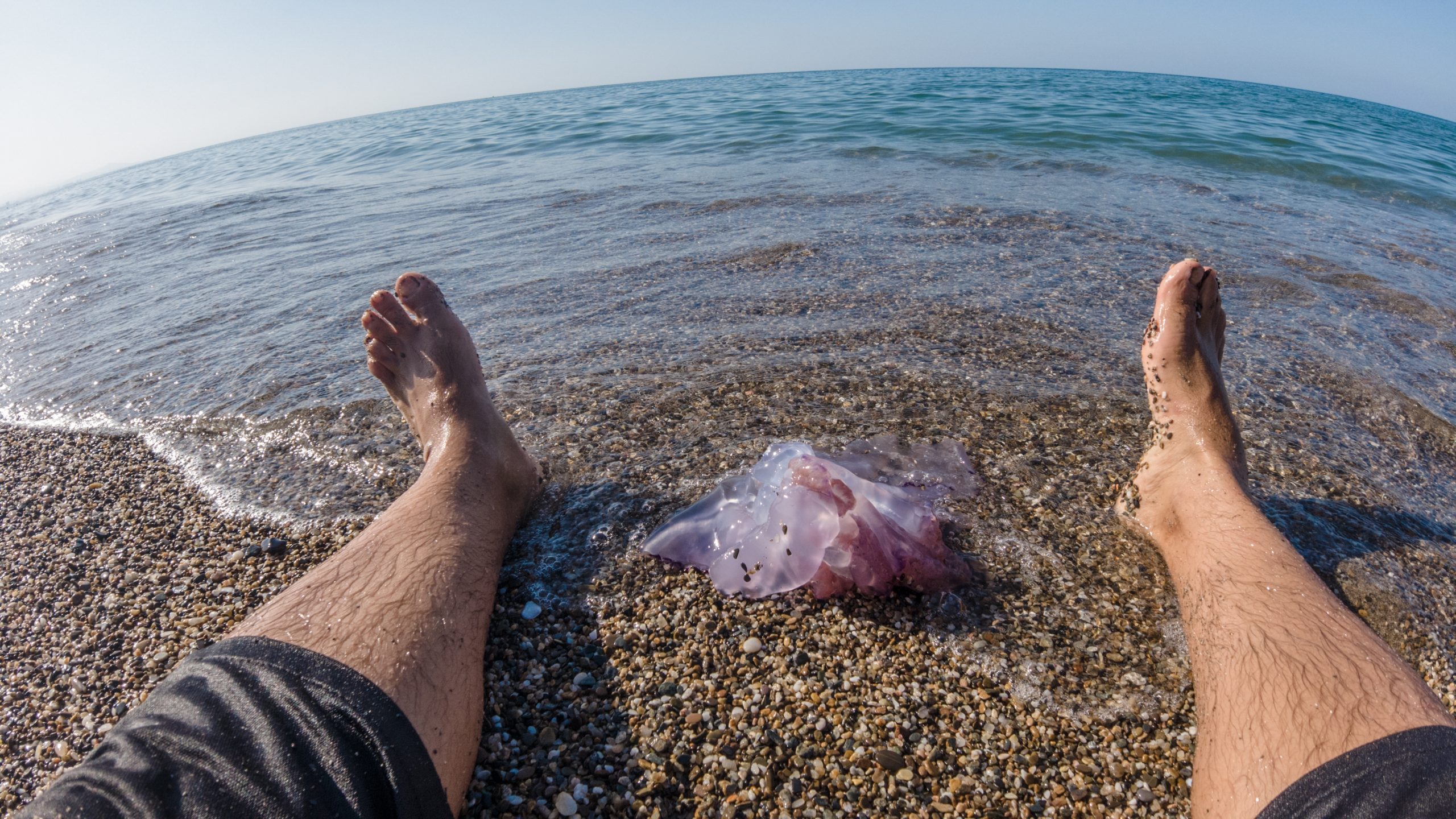

Complete Guide and Practical Tips
Jellyfish stings on the foot are increasingly common and require prompt treatment to prevent complications and prolonged pain. This guide explains the symptoms and effective treatments for such stings.
Symptoms of a Jellyfish Sting on the Foot
A jellyfish sting typically causes an electric shock sensation on the foot, followed by burning pain, itching, and red sores. In some cases, allergic reactions can cause headaches, dizziness, nausea, or breathing difficulties. Although sometimes mild, jellyfish stings should be treated immediately to avoid complications.
Foot Treatments for Jellyfish Stings
Upon noticing a jellyfish sting, gently remove any remaining tentacles from your foot without rubbing. Rinse the area with seawater, avoiding fresh water. Applying a diluted vinegar solution may help neutralize the venom. Once home, clean the wound with a sterile compress and antiseptic, and use antihistamine cream if needed. Seek medical attention if pain persists after 48 hours or if the wound worsens.
What Not to Do When Treating a Jellyfish Sting
Popular myths about jellyfish sting treatment can worsen the injury. Do not urinate on the sting, as this risks infection. Avoid rinsing with fresh water, sucking out venom, applying alcohol, cutting the wound, or using a compression bandage. These actions can exacerbate pain or harm the wound.
Other Foot Injuries at the Beach
Besides jellyfish stings, beachgoers face risks such as cuts from shells, stepping on sea urchins, or broken glass. It’s important to remove foreign objects, disinfect wounds, and avoid swimming until healed. Sand or sunburn on the foot is also common; wearing beach shoes and applying high-SPF sunscreen helps prevent these injuries.
Frequently Asked Questions About Treating a Jellyfish Sting on the Foot
What should you do immediately after a jellyfish sting on the foot?
Exit the water calmly, avoid rubbing, and gently remove tentacle bits with tweezers or a rigid object. Rinse with seawater or diluted vinegar; never use fresh water as it intensifies pain.
Can you use ice to relieve the pain from a jellyfish sting?
Yes, apply a cold compress or ice pack wrapped in cloth for 10-15 minutes to reduce pain and swelling but avoid direct skin contact.
Are there natural remedies to ease the pain?
Baking soda paste and aloe vera may soothe discomfort but do not replace proper medical treatment.
Can jellyfish stings be prevented while swimming?
- Wear water shoes or swim socks.
- Avoid areas with jellyfish warnings.
- Consider a wetsuit in high-risk waters.
- Check local advisories before swimming.
Never Disregard a Jellyfish Sting on Your Foot
While usually not dangerous, jellyfish stings can cause lasting scars and need careful treatment. If pain persists or the wound worsens, consult a podiatrist promptly to ensure proper care.