
Cavus foot is a foot deformity characterized by an excessively arched and rigid plantar arch, unlike flat foot which is supple and flattened. This condition results in a tightened area between the heel and forefoot, giving the foot a curled appearance. Although not always painful initially, increased deformity and rigidity can cause significant discomfort.
Symptoms and complications of cavus foot
At advanced stages, cavus foot can impair quality of life. Symptoms include a pronounced plantar arch curvature, a hump on top of the foot, difficulty wearing shoes painlessly, calf cramps, stress in the plantar arch, joint pain in ankles, knees, and hips, a sensation of imbalance, and repeated ankle sprains.
If untreated, cavus foot may lead to further painful foot disorders such as big toe pain potentially evolving into a bunion, foot corns under pressure points, plantar fasciitis, claw toe, metatarsalgia, heel bursitis, and postural problems due to outward tilting of the foot affecting other joints and spinal curvature.
Causes and aggravating factors of cavus foot
Cavus foot can be rigid, semi-rigid, or flexible and is often linked to neurological disorders, with heredity playing a major role. Medical conditions contributing to abnormal plantar arch curvature include cerebral palsy, Charcot-Marie-Tooth disease, spina bifida, Parkinson’s disease, muscular dystrophy, stroke, multiple sclerosis, and diabetic neuropathy.
Acquired cavus foot, less common but equally disabling, may result from hypertrophy of function in athletes performing repetitive movements, serious or poorly treated lower limb trauma, or prolonged immobility without adequate physiotherapy.
Prevent pain associated with cavus foot
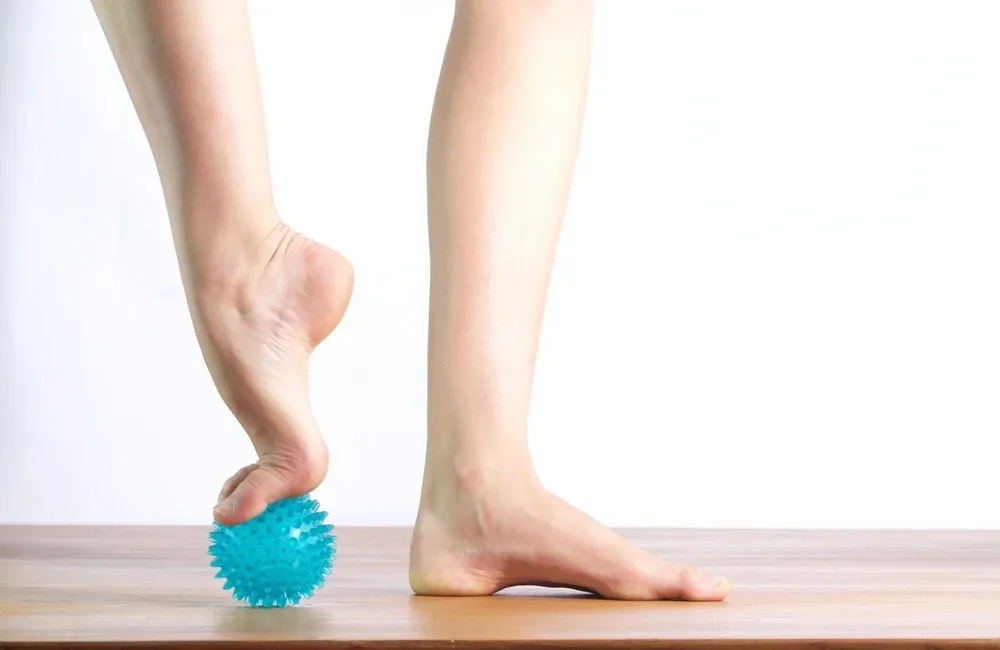
Though cavus foot is mainly hereditary, adopting preventive habits can reduce its negative effects. Recommended measures include wearing supportive shoes with a light heel and wide opening for comfort, establishing a stretching routine to lessen plantar stiffness and Achilles tension, performing foot arch massages using tools like a tennis ball to increase joint mobility, and using prefabricated insoles to enhance shock absorption in early stages.
Treatments for cavus foot
Preventive measures may suffice in some cases, but cavus foot should never be ignored due to risk of joint and posture complications. Consulting a podiatrist is advised for proper assessment via analysis and to recommend treatments such as foot care to remove painful corns, manual foot therapy to improve flexibility and joint mobility, and plantar orthotics, which are shown to be effective by distributing weight evenly, stabilizing the foot, reducing corns and joint stress. In severe cases, bone surgery may be necessary.