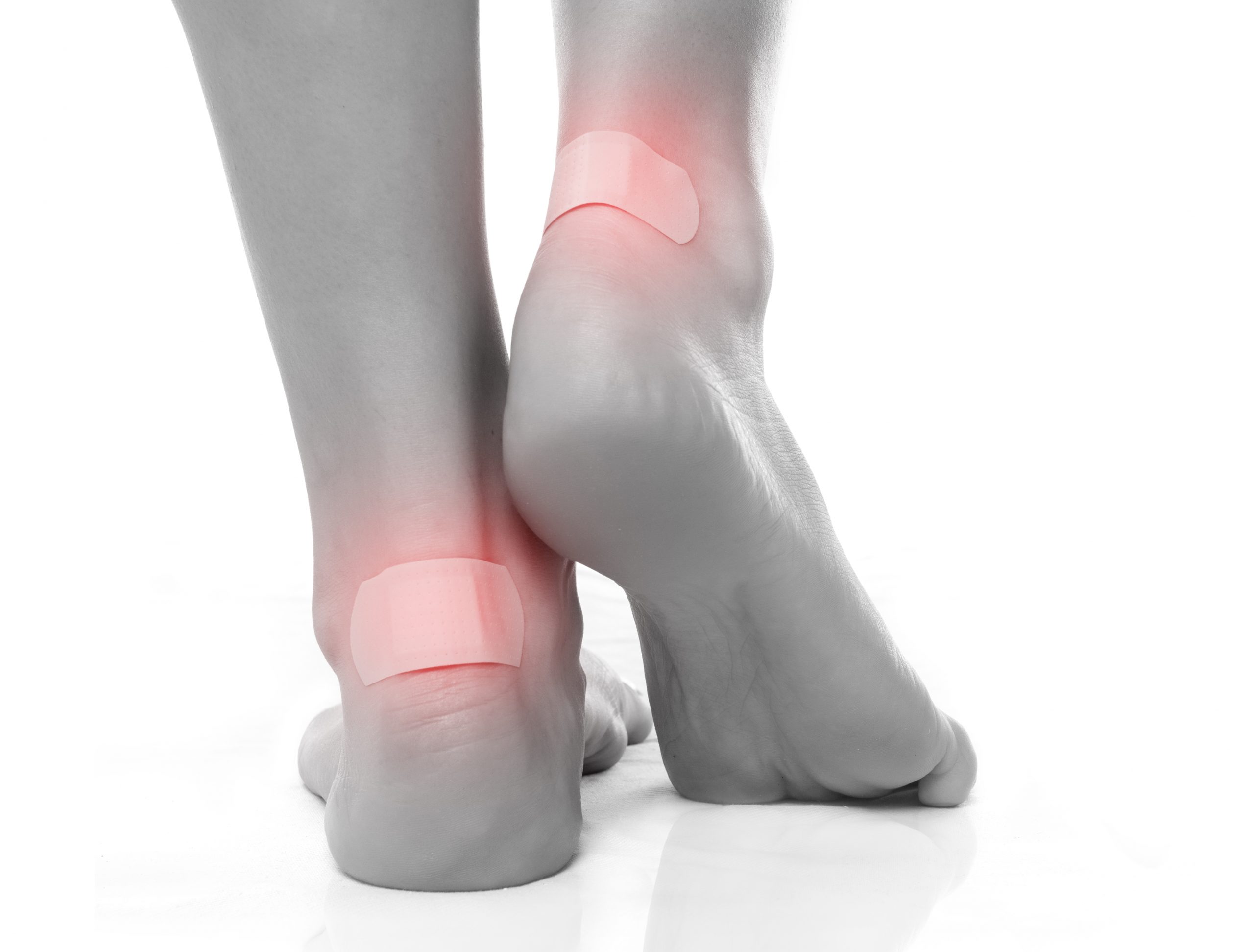

Foot blisters are watery lesions that occur when the skin of the foot is exposed to friction or irritating pressure, commonly caused by new or ill-fitting shoes. Understanding the symptoms, causes, and treatments of persistent foot blisters can help manage and prevent them effectively.
Blister symptoms
Foot blisters usually develop on parts of the foot that contact the shoe, such as the heel, big toe, upper arch, and forefoot. The heel is prone to blisters due to impact, while the big toe blister forms if there is insufficient toe room. Athletes often get blisters on the top of the arch, and forefoot blisters are common among high heel wearers.
Symptoms include:
- Reddened and swollen skin;
- Skin irritation progressing to lesions;
- Localized pain;
- Formation of clear fluid-filled blisters;
- Easy bleeding;
- Difficulty moving without discomfort.
Watch for signs of infection especially if the blister ruptures and in individuals with diabetes or immune deficiencies.
What causes foot blisters?
Foot blisters primarily result from new or ill-fitting shoes but may also be caused by:
- Prolonged sporting activities like walking or running;
- Wearing high-heeled shoes;
- Burns;
- Bunions (hallux valgus);
- Excessive sweating and damp socks;
- Allergic reactions;
- Cavus feet;
- Eczema and other skin diseases;
- Hammertoes.
Preventing foot blisters
Most foot blisters are harmless but can cause discomfort. To prevent them:
- Choose shoes suited to your foot type;
- Always wear socks with closed shoes;
- Ensure new shoes are well broken-in before long walks;
- Prefer breathable footwear, especially if you sweat;
- Use talcum powder or cornstarch when getting used to new shoes;
- Protect areas more prone to blisters with prophylactic dressings.
Runners should select shoes slightly looser than usual and wear thicker socks.
Treating foot blisters
If a blister develops, avoid rupturing it yourself. Seek advice from a healthcare professional or podiatrist.
If the blister bursts, first-aid steps include:
- Disinfecting the area without removing dead skin;
- Applying an antibacterial ointment;
- Using a padded bandage for blisters on the heel or big toe;
- Changing dressings when damp.
Treatments offered by the podiatrist
For recurring blisters without infection, podiatrists investigate underlying causes, especially biomechanical issues, using diagnostic tools such as:
Treatments include:
- Foot orthoses to better distribute weight;
- Orthopedic shoes adapted to foot structure.
If necessary, the podiatrist can also perform foot care to drain persistent blisters. Frequent blisters causing joint pain can be further managed to improve movement and comfort.
PiedRéseau – Learn more
For more information on foot blisters, visit our website with extensive resources. However, a professional podiatrist consultation remains the best approach for care. Take care of your feet; they’re precious!