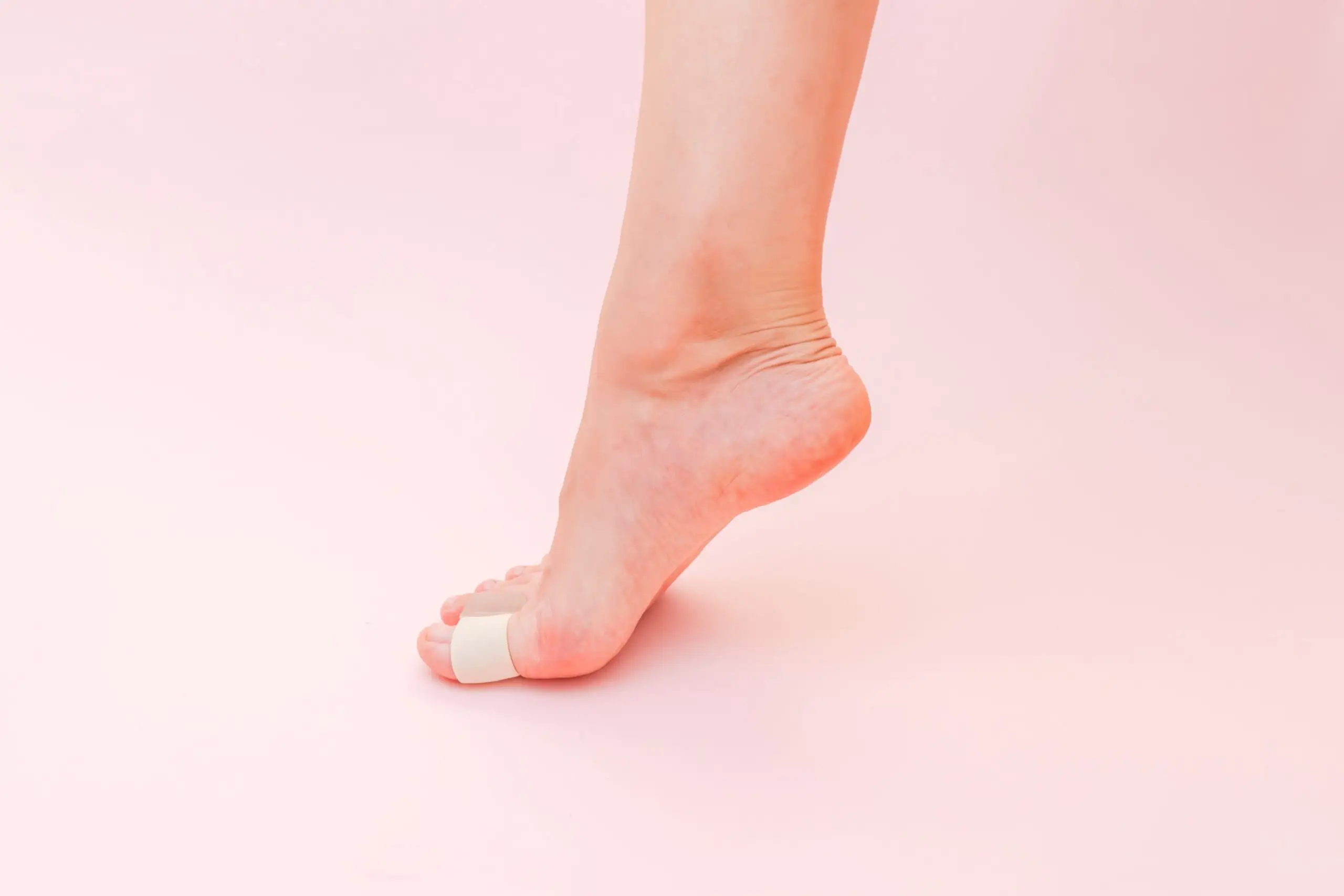

Toe pain is a common issue that significantly impacts daily activities like walking, stair climbing, or shopping. Often caused by problems in the forefoot, such pain arises from increased pressure on joints, tendons, and foot structures aggravated by improper footwear.
Understanding the causes of toe pain is crucial for improving comfort and mobility.
Why Do Toe Pains Appear?
Toes are vital for balance and propulsion during walking, absorbing much of the impact. Several factors contribute to toe pain:
Overloading of the Forefoot
Poor weight distribution leads to excessive pressure on the forefoot, irritating joints and tissues. This condition worsens with age due to thinning of the plantar pad. Foot orthotics can help redistribute load.
Shoes That Are Too Narrow
Narrow toe boxes compress toes and increase friction. Rigid or pointed shoes restrict natural foot movement, encouraging deformities and causing corns, inflammation, and irritation. Choosing appropriate shoes is essential for foot health.
Joint Aging
With age, joint flexibility decreases, and cartilage wears down, causing pain, stiffness, and reduced mobility, especially in osteoarthritis cases. Walking long durations becomes more strenuous.
Common Problems Related to Painful Toes
Various podiatric conditions cause toe pain; some develop gradually, others due to repeated irritation.
Hallux Valgus: When the Big Toe Deviates
Hallux valgus, or bunion, involves progressive deviation of the big toe towards other toes, causing misalignment, joint pressure, pain, and redness, especially when wearing closed shoes.
Hammer Toes and Claw Toes
Hammer toes are abnormal bends causing pressure points on shoes and painful corns on joints, leading to stiffness and discomfort during walking.
Metatarsalgia: Pain Under the Toes
This condition manifests as pain under the forefoot after long standing or repetitive activities due to excessive pressure on metatarsal heads. Contributing factors include poor footwear, loss of plantar pad, mechanical overload, and certain foot deformities.
Morton’s Neuroma
Morton’s neuroma irritates a nerve between toes, causing burning, numbness, and the sensation of a small stone in the shoe, often worsened by tight footwear.
How Do Shoes Influence Toe Pain?
Proper footwear significantly affects toe pain by impacting foot mechanics and pressure distribution.
The Importance of Toe Box Space
Toes need sufficient space to move freely. Narrow shoes increase compression, while too-large shoes cause friction. Balance between support and space is essential.
Compression and Moisture
Moisture increases skin sensitivity and irritation. Breathable materials and avoiding seams that irritate deformities improve comfort.
What Shoes to Choose for Toe Pain?
Prioritize shoes with a wider toe box, shock-absorbing sole, good arch support, soft front materials, and stable moderate heels. Avoid rigid and narrow shoes that exacerbate pain.
When to Consult a Podiatrist?
Toe pain that persists or worsens requires medical assessment.
Persistent Pain When Walking
Ongoing pain can lead to compensatory posture changes causing knee, hip, or back pain. Consultation identifies causes and treatment.
Progressive Toe Deformation
Gradual toe position changes risk stiffness; early care improves comfort.
Redness, Heat, or Numbness
These signs may indicate inflammation or serious irritation. Diabetics should monitor closely due to unnoticed lesions.
Preventing Toe Pain in Daily Life
Adopting simple habits can reduce discomfort.
Choosing Shoes Suitable for Your Activity
Select shoes adapted to your activity since walking shoes may be unsuited for standing work. Rotating shoes reduces pressure zones.
Maintaining Good Foot Mobility
Exercises preserve toe and joint mobility and promote circulation.
Monitoring the Appearance of Deformities
Regular observation allows early detection of changes and timely intervention.
Frequently Asked Questions About Toe Pain
Can Walking Barefoot Worsen Toe Pain?
Walking barefoot on hard surfaces may intensify pain, especially with loss of the plantar pad or deformities.
Why Does My Toe Pain Increase at the End of the Day?
Muscle fatigue and tissue swelling increase joint and nerve pressure by day’s end.
Can Cold Temperatures Influence Toe Pain?
Cold reduces circulation and heightens joint sensitivity, causing stiffness and discomfort.
Do Certain Physical Activities Promote Toe Pain?
Impact activities like running raise forefoot tension, but proper shoes and load distribution mitigate stress.
Toe pain has various causes such as deformities, poor footwear, and mechanical overload that can affect posture and life quality. Podiatric care improves walking comfort.
If toe pain persists or limits activities, a podiatric evaluation can clarify causes and identify solutions.