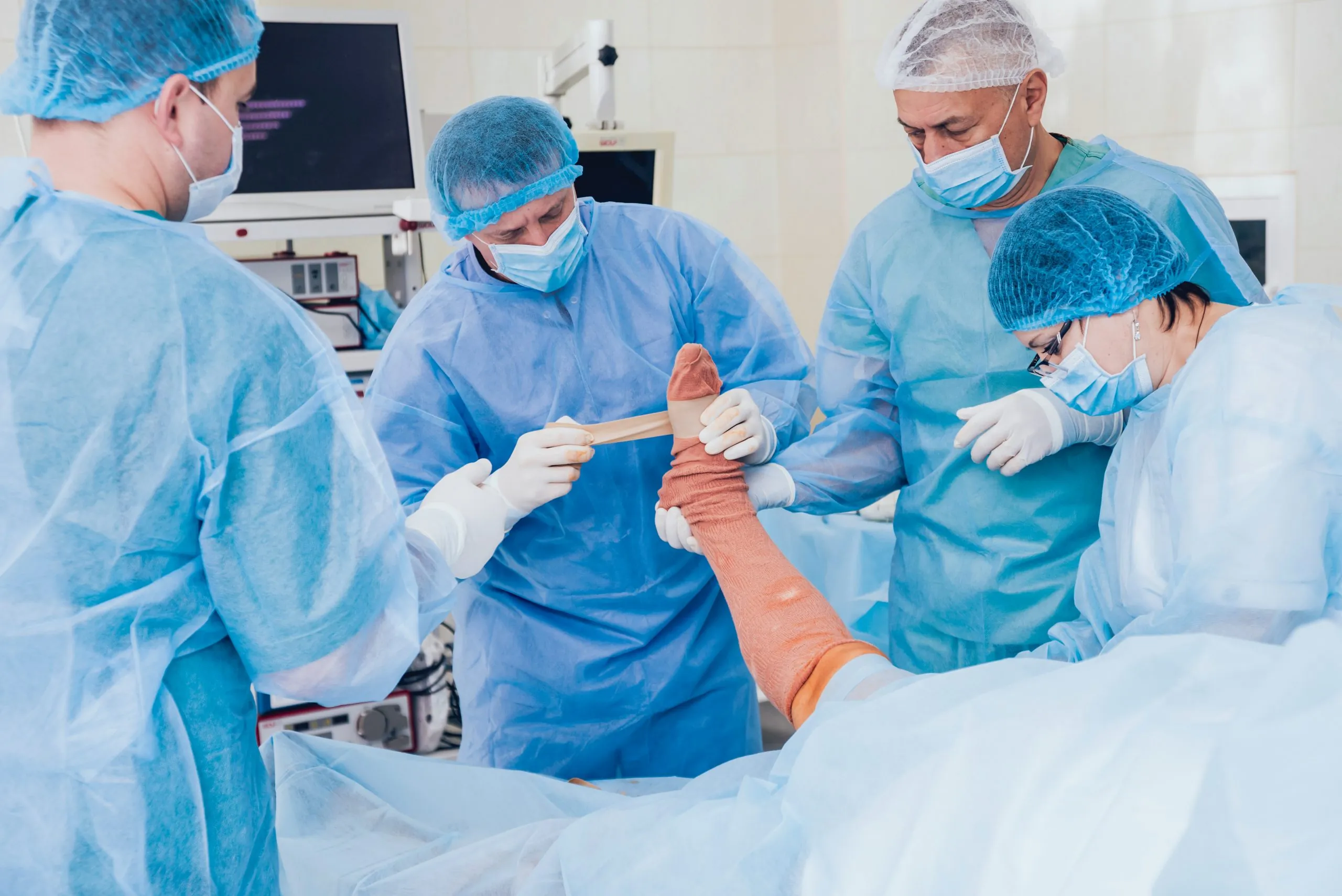

Surgery for plantar fasciitis is often an effective solution to eliminate this painful foot condition. Plantar fasciitis causes severe heel and arch pain due to micro-tears in the plantar fascia ligament supporting the foot arch.
What exactly is plantar fasciitis?
Plantar fasciitis is a common foot pathology that causes severe pain in the heel and arch of the foot, resulting from micro-tears of the plantar fascia.
If untreated, it may lead to tearing of the plantar fascia and persistent, unbearable heel pain, especially in the morning.
Who is at risk?
Plantar fasciitis mainly affects people with flat or hollow feet, overweight individuals, pregnant women, those over 45, and athletes; however, anyone can develop it.
Consultation is advised at the slightest doubt or persistent pain.
When should a patient elect to seek surgery for plantar fasciitis?
If daily activities, work, or sports become impossible and conservative treatments fail, consulting a podiatrist for surgery evaluation is recommended.
How do we evaluate whether a patient requires surgery for plantar fasciitis?
PiedRéseau professionals provide pre-surgery evaluations in Québec, including a detailed medical report and a personalized surgical plan after an initial podiatrist consultation.
Surgery is only recommended if conservative treatments are ineffective.
The patient’s medical history is very important
Details such as foot traumas, heredity, daily activities, foot type, and footwear help determine the cause of persistent plantar fasciitis and guide treatment.
Sharing this information before consultation aids faster evaluation.
Patient expectations
The podiatrist discusses realistic outcomes, noting that surgery mainly eases pain and improves foot function, though full autonomy is not always regained.
Surgery alleviates pain and restores functionality in most cases.
Clinical examination
The exam assesses surgical candidacy by reviewing history, medications, allergies, and vascular health of feet, with additional tests if necessary.
Functional limits are evaluated to design a tailored treatment plan.
X-ray evaluation of the deformation
X-rays assess bones, detect heel spurs, establish surgical plans, and monitor post-surgery outcomes if bone intervention is involved.
X-rays are unnecessary if no bone structures are operated on.
Choosing the right foot professional for my surgery
Before choosing a podiatrist, consider their experience, reputation, certification, tailored care, empathy, availability, and ability to monitor progress closely.
Initial conservative treatment methods
Before surgery, multiple conservative treatments should be attempted, including wearing proper footwear, exercises and stretching, massages, ice compresses, physical therapy, orthotics, anti-inflammatory medication, cortisone and PRP injections.
When conservative methods fail or the condition is advanced, surgery becomes the best option.
Why choose surgery performed by a podiatrist?
Podiatrists specialize in foot biomechanics, perform specialized interventions, manage care before, during, and after surgery, and help restore foot autonomy quickly.
PiedRéseau clinics offer rapid access to podiatrists, full monitoring, and answer patient questions in an accessible environment.
Procedures to remedy your plantar fasciitis
Three main surgical procedures treat plantar fasciitis:
Topaz procedure (dry needling): Used in chronic cases to promote healing through controlled trauma and requires wearing an aircast brace for 4 to 8 weeks.
Plantar fascia release procedure: A last-resort surgery involving a small heel incision to release the fascia and decompress nerves, effective in nearly 80% of cases.
Platelet-rich plasma (PRP) injection: Uses the patient’s condensed blood plasma to accelerate healing of the affected foot area.
Chronological steps of plantar fasciitis surgery
Surgery involves pre-assessment to inform decisions, preparation weeks prior including blood tests and rest, the day of surgery with local anesthesia and sedation, and postoperative home care.
Post-surgery, patients experience long-lasting anesthesia, take prescribed pain medication, and return home with instructions to keep the foot dry, elevated, and iced.
Follow-up visits ensure proper healing, with stitches removed between 10 to 21 days.
What is the convalescence period for plantar fasciitis surgery?
Recovery time varies by procedure, from weeks to months. Return to daily activities depends on healing progress and surgery type.
Patients involved in demanding sports may require longer recovery and supportive devices like orthotics or special shoes.
Strict adherence to surgical recommendations before, during, and after treatment is essential to successful recovery and limiting residual pain.
Post-surgical plantar orthotics help avoid relapse, restore foot shape and function, and reduce the chance of additional surgery.
Because plantar fasciitis has a high recurrence risk, prevention and timely consultations upon symptom return are crucial.
Your podiatrist can identify biomechanical complications arising from surgery and adjust care accordingly. Since foot imbalances can cause new pathologies, prompt consultation is recommended for any foot health concerns.