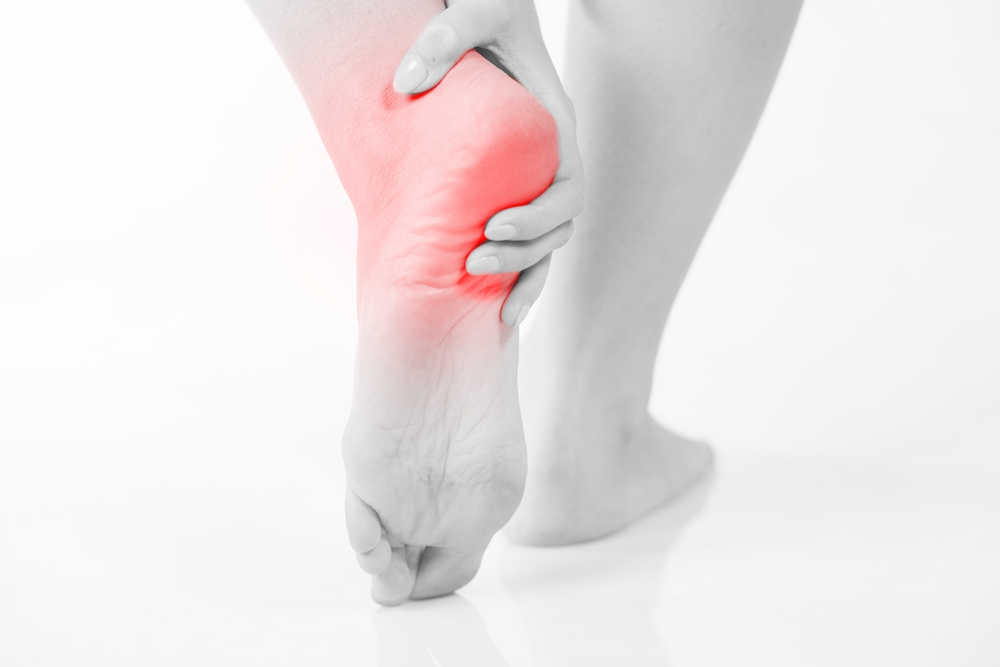

Heel spur (calcaneal spur) is a bony excrescence on the lower surface of the calcaneus (heel bone) at the attachment of the long plantar ligament, often causing foot pain. Although it may be benign, detecting it early is important as it can precede plantar fasciitis, causing significant discomfort. Consulting a podiatrist promptly can prevent worsening conditions.
Causes and symptoms of heel spurs
Heel spurs develop due to bone calcification often from inflammation of the plantar fascia, a ligament beneath the foot. This usually happens when the plantar fascia is overstretched or overworked, leading to tension at the heel and morning heel pain during initial steps.
Athletes, especially runners, are more prone due to repeated foot impacts, and walking or running barefoot increases risk. Other factors include:
- obesity
- arthritis
- genetics
Physical jobs requiring extensive activity can also contribute.
Not to be confused with plantar fasciitis
Heel spurs often coexist with plantar fasciitis, which causes sharp heel pain due to overstretching or tearing of the plantar fascia, supporting the foot’s arch. Despite their association, heel spurs and plantar fasciitis are distinct conditions.
Your podiatrist: a major ally to combat heel spurs
Your podiatrist is essential for diagnosing and treating heel spurs, using X-rays to detect anomalies and offering solutions to relieve pain.
Effective treatments include:
- plantar orthotics
- therapeutic tape
- laser treatment
- shockwave therapy
Additionally, physical therapy and cortisone injections may help relieve pain depending on the case.
Podiatry helps prevent heel and foot pain effectively. Healthy feet enable better mobility and comfort.
Would you like to learn more about heel spurs?
Consult PiedRéseau for answers to all your questions.