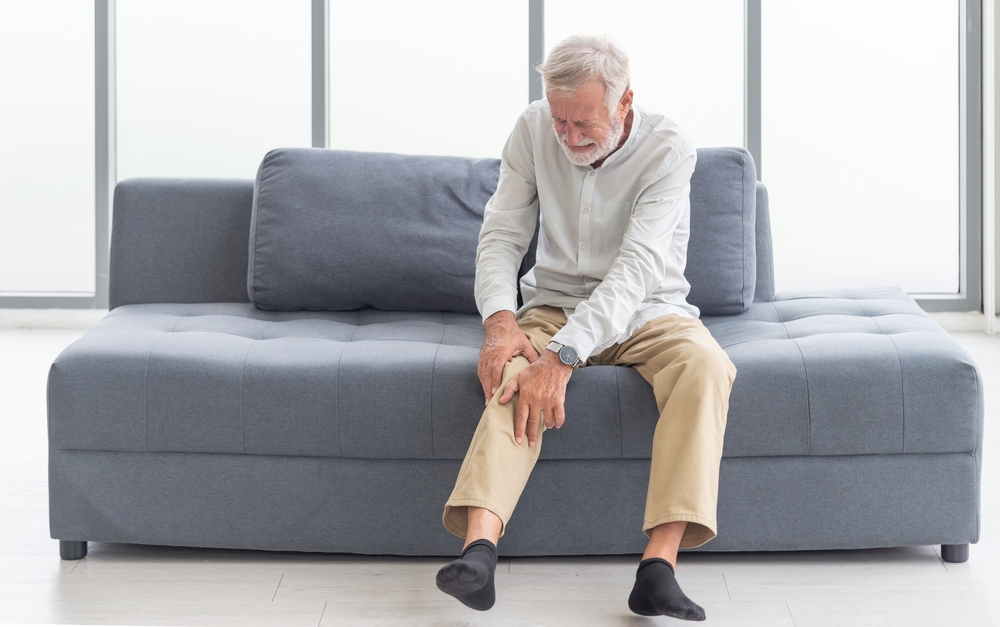

Osteoporosis is a disease that weakens bones and increases fracture risk. To prevent falls and injuries, choosing shoes that stabilize the feet is essential. This article explores types of shoes recommended for people with osteoporosis.
Features of a Shoe Suitable for Osteoporosis
Minor traumas are dangerous for those with reduced bone mass. Along with regular physical activity to strengthen bones, wearing suitable footwear is crucial to protect against falls. Shoes should support the foot arch to distribute weight evenly. Avoid flat soles and prefer insoles with good density to cushion heel shocks. Custom orthopedic insoles prescribed by a podiatrist offer optimal support. Since osteoporosis can cause dizziness and balance issues, shoes that stabilize the foot and have slip-resistant soles are recommended, especially for outdoor walks.
Types of Shoes Recommended for Osteoporosis
To maintain mobility, shoes should be flexible, stable, and fit the foot shape. Flexible shoes engage foot muscles better than rigid ones. Consultation with a podiatrist helps determine your arch type—high, standard, or flat—which guides insole choice. Shoes should suit specific activities; for example, running shoes differ from tennis or ball sport shoes. This is important since weight-bearing activities encouraged for osteoporosis strengthen bones by having legs support body weight.
Depending on discomfort while walking, a podiatrist may prescribe custom orthopedic insoles to relieve pressure and correct deformities. For advanced cases, orthopedic shoes made for city walking, running, or hiking may be recommended.
Benefits of Footwear Tailored to Podiatric Conditions
Wearing footwear adapted to your podiatric condition helps reduce discomfort and pain caused by foot pathologies, which often intensify over time. Early intervention improves quality of life. For osteoporosis, back pain is common but can be relieved by proper shoes or orthotics. Supporting the foot arch improves balance and reduces falls. Appropriate footwear also prevents injuries like stress fractures or blisters.
Assessing Foot Health with a Podiatrist
Osteoporosis-related bone weakening can be subtle. In women, it is linked to hormonal decrease affecting bone reconstruction; men can also be affected. Watch for signs like foot and back pain, difficulty maintaining posture, and frequent falls. Regular podiatrist visits help assess foot health and implement preventive measures. Check our clinic list to schedule an appointment.