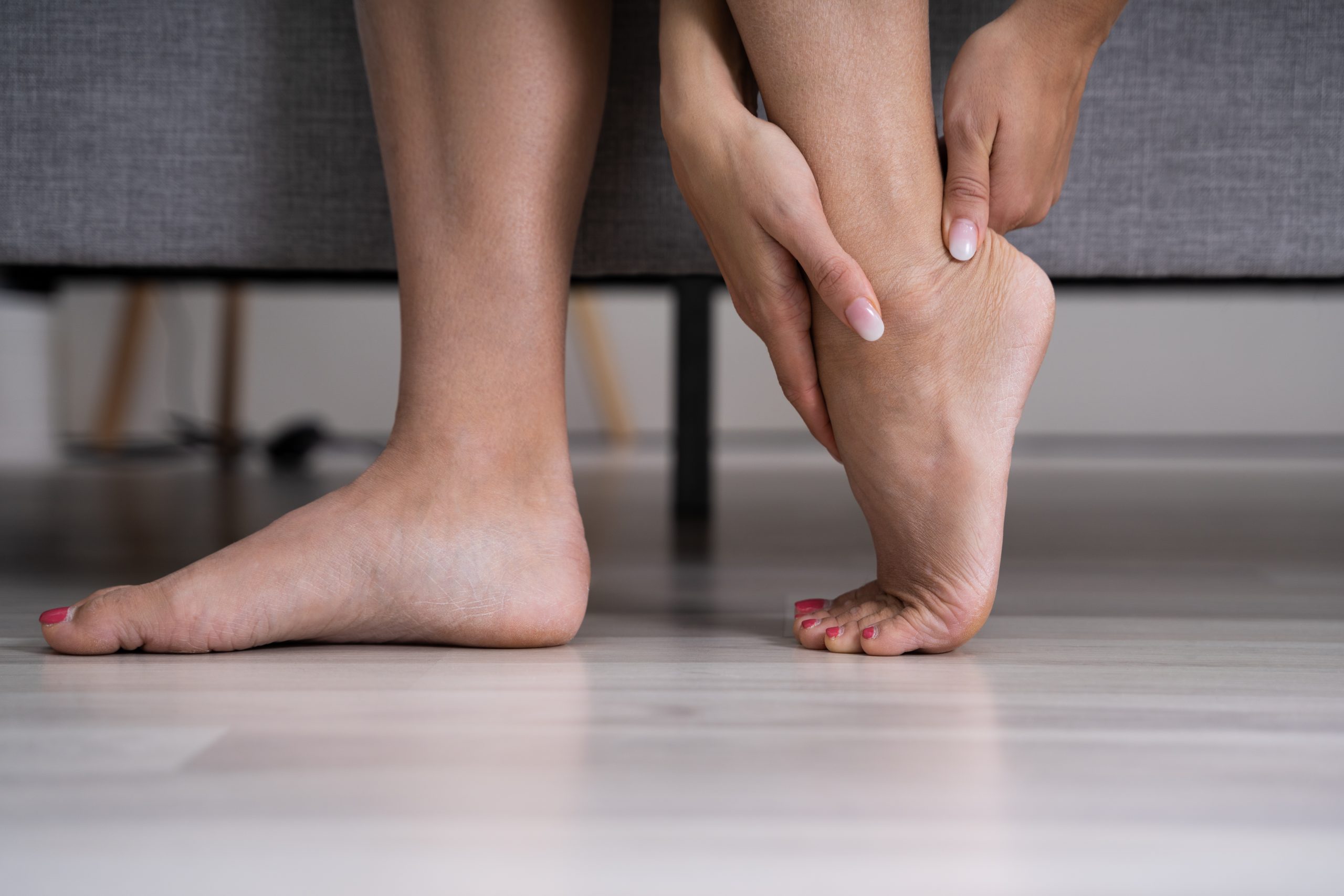

The Achilles tendon rupture is a common injury, especially among athletes who sprint or jump. This condition affects the tendon connecting the calf to the heel and can occur due to repeated stress on a weakened tendon. Effective treatments are available for recovery. Learn more about Achilles tendon rupture.
Symptoms of Achilles tendon rupture
The Achilles tendon enables foot flexion and can weaken from inflammation and calcification, leading to rupture if overstretched. Achilles tendinitis often precedes rupture and is characterized by pain, swelling, stiffness, and difficulty walking. Rupture symptoms include stabbing pain, leg swelling, and impaired movement depending on the severity of the tear.
An ultrasound scan is essential to confirm the rupture and determine the best treatment.
Common causes
While chronic conditions like arthritis or diabetes can cause rupture, it primarily affects athletes performing repetitive jumping or running movements, which wear down the tendon. Proper warm-up and stretching before and after activity help protect the tendon and reduce inflammation, which can be managed with cold compresses.
Seeking professional advice to evaluate running technique and foot alignment can prevent tendon damage. A podiatrist may recommend corrective measures and appropriate footgear to avoid tendon wear.
The right treatment to repair the Achilles tendon
Treatment varies with injury severity and may involve casts, splints, or surgical repair by an orthopedist. Casting positions the foot to promote healing by preventing tendon stretching, gradually restoring proper alignment and flexibility.
Surgical options include open surgery for healthy patients or minimally invasive techniques reducing infection risk but requiring longer immobilization. Recovery spans several months, necessitating podiatric follow-up to resume sports safely.
Check the condition of your Achilles tendons
Preventive measures like stretching and warming up reduce rupture risk. For an expert evaluation and protection against injury, contact a PiedRéseau podiatrist.