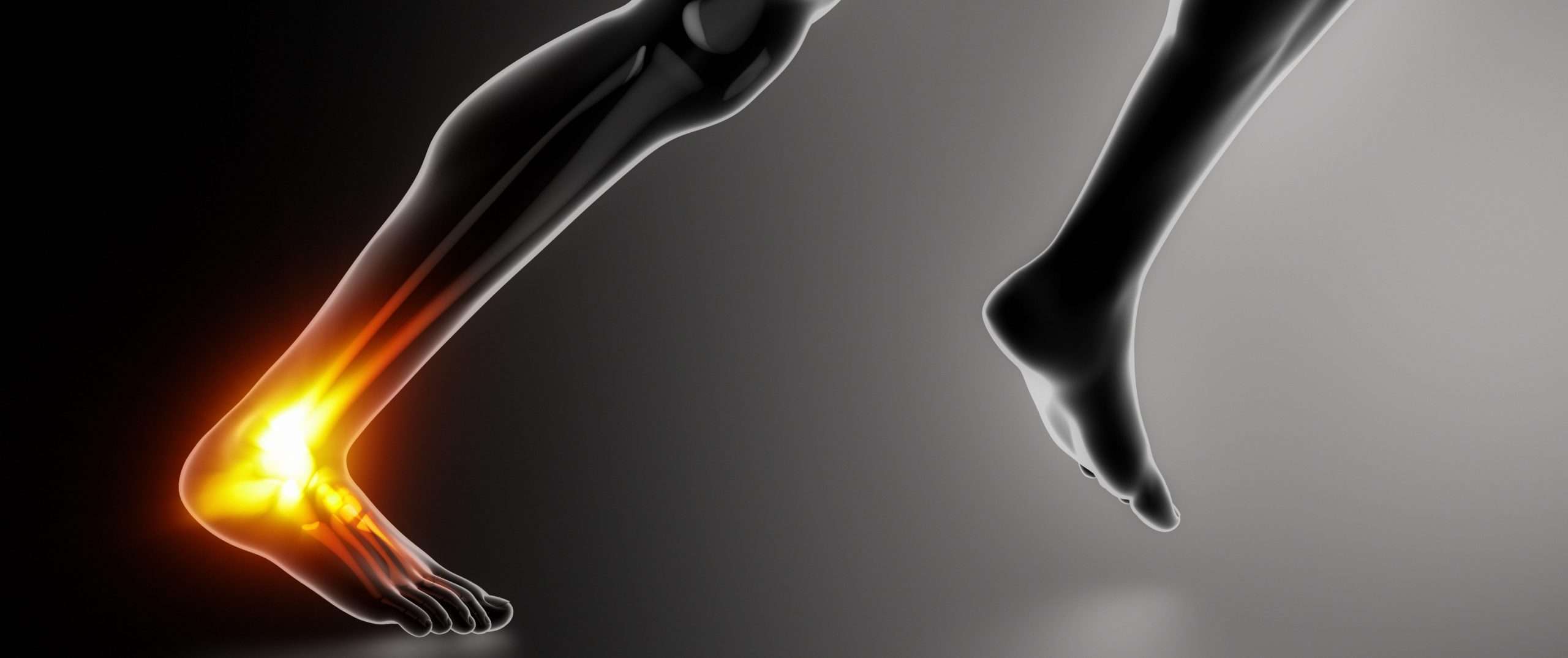

Achilles tendinitis is a common condition caused by overuse of the tendon connecting the calf muscle to the heel, especially among runners. It results in pain starting at activity onset and easing with continued movement.
Do you experience ankle discomfort, stiffness upon waking, or notice a lump near your Achilles tendon? These signs strongly indicate Achilles tendinitis.
Achilles tendinitis symptoms
The Achilles tendon, or calcaneal tendon, is one of the largest and most active tendons in the body. Inflammation impacts overall function and presents as acute or chronic tendinitis.
Common acute Achilles tendinitis symptoms include:
- Pain intensifying at activity start and decreasing during exercise
- Pain that lessens after resting but worsens upon waking
- Tenderness on pressure and touch
- Persistent pain behind the ankle lasting several days
Chronic symptoms may involve:
- Tendon swelling
- Persistent pain during training
- Localized stiffness after rest
- Difficulty moving without tendon pain
- Visible protrusion near the ankle
Acute tendinitis is more severe and may halt running routines, whereas chronic tendinitis allows sports but causes prolonged discomfort.
Causes and exacerbating factors
Achilles tendinitis mainly arises from mechanical overuse during activity combined with insufficient rest. Additional causes include:
- Improper foot alignment
- Poor running technique
- Sudden changes in running shoes
- Pronation issues
- Skipping warm-up and stretching routines
Preventative measures and homemade remedies
Although Achilles tendinitis pain may not be severe, it can hinder daily running. Treatment by a podiatrist is recommended, alongside self-care to alleviate pain and prevent worsening:
- Strengthen thigh muscles
- Warm up properly before exercise
- Stretch after physical activity
- Allow ample rest between sessions
- Stay well hydrated
- Use firm orthopedic heel supports in shoes
- Apply ice post-exercise to reduce inflammation
- Gradually return to running or cycling after injury
- Avoid training when localized pain persists or worsens
The treatments
The Achilles tendon is essential for propulsion and vigorous movement, so injuries must be carefully managed. A podiatric consultation helps identify the injury’s origin and design appropriate treatment.
The podiatrist employs advanced diagnostics like foot ultrasound or biomechanical assessments and offers effective treatments such as:
- Non-steroidal anti-inflammatory drugs
- Custom foot orthotics
- Training modifications to minimize recurrence
- Laser or electrotherapy to boost healing and circulation
- Calf-relaxing boots promoting proper tendon fiber alignment
Invasive surgery is a last resort, reserved for severe cases impairing quality of life.
PiedRéseau – Learn more
For more on Achilles tendinitis, PiedRéseau regularly publishes informative content. However, nothing replaces consulting a podiatrist in person.
Take care of your feet—they are invaluable!