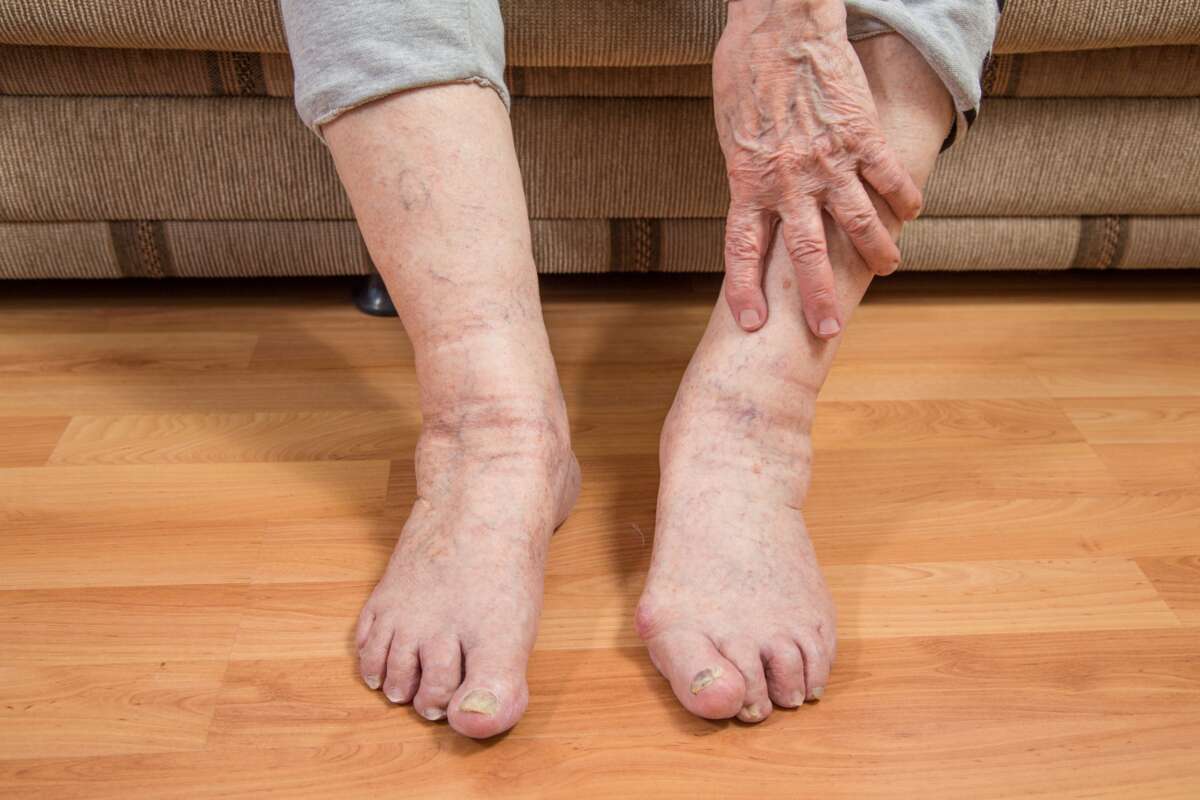

Even healthy feet can develop deformities under certain conditions. This article explores common foot deformities and available treatment options.
The various foot deformities
Understanding the types of foot deformities is crucial before examining their symptoms. Seven main plantar abnormalities affect adults:
- Flat foot: Characterized by a sagging arch, common in childhood.
- Cavus foot: A pronounced arch, linked to genetics, athletes, or neurological disorders.
- Clubfoot: Includes positional and idiopathic types; idiopathic requires more intensive therapy.
- Hallux valgus (foot bunion): Outward bending of the big toe joint, mainly affecting women who wear high heels.
- Quintus varus (tailor’s bunion): Deformity affecting the little toe, often with the fifth toe raised.
- Hammertoes: Toes crowd and risk dislocation.
- Hallux rigidus: Arthritis causing stiffness and deformity of the big toe joint.
Foot deformity symptoms
Despite their differences, foot deformities commonly cause discomfort and share several symptoms:
- Intermittent or persistent foot pain;
- Joint pain due to musculoskeletal compensation;
- Difficulty dressing;
- Limited foot, toe, or ankle mobility;
- Accumulation of corns and calluses;
- Altered gait (pronation);
- Toenail deformities and frequent ingrown toenails;
- Dermatological irritation;
- Cracks and splits in heels;
- Lower back discomfort.
Early detection can prevent serious complications such as:
- Plantar fasciitis;
- Heel spur;
- Morton’s neuroma;
- Metatarsalgia;
- Bursitis;
- Postural deformity;
- Multiple tendinitis;
- Capsulitis;
- Osteoarthritis;
- Achilles tendinitis.
Causes and risk factors
Most foot deformities stem from common causes such as:
- Heredity;
- Obesity;
- Wearing ill-fitting or tight shoes;
- Degenerative diseases like arthritis;
- Aging;
- Chronic diseases like diabetes;
- Walking barefoot;
- Poorly treated foot injuries or infections;
- High-intensity sports participation.
How to prevent foot deformities
While not all foot deformities can be avoided, preventive measures include:
- Avoiding high heels and unsupported sandals;
- Wearing shoes with adequate toe space;
- Maintaining a healthy body mass index (BMI);
- Performing foot strengthening exercises and stretches;
- Reducing high-intensity sports if pain persists;
- Engaging in low- to moderate-intensity activities like cycling, walking, and swimming.
If symptoms continue, consult a doctor or a podiatrist.
Podiatric treatments
Treatment depends on diagnosis and may include:
- Custom foot orthoses;
- Orthopedic shoes;
- Day or night splints;
- Relief shoes;
- Removal of corns and calluses;
- Cortisone injections;
- Anti-inflammatory medications;
- Manual foot therapy.
Podiatric surgery is considered for severe cases.
PiedRéseau – Learn more
For more information on foot deformities, visit PiedRéseau regularly. Despite abundant online resources, in-person clinic consultations remain invaluable.
Take care of your feet, they’re precious!