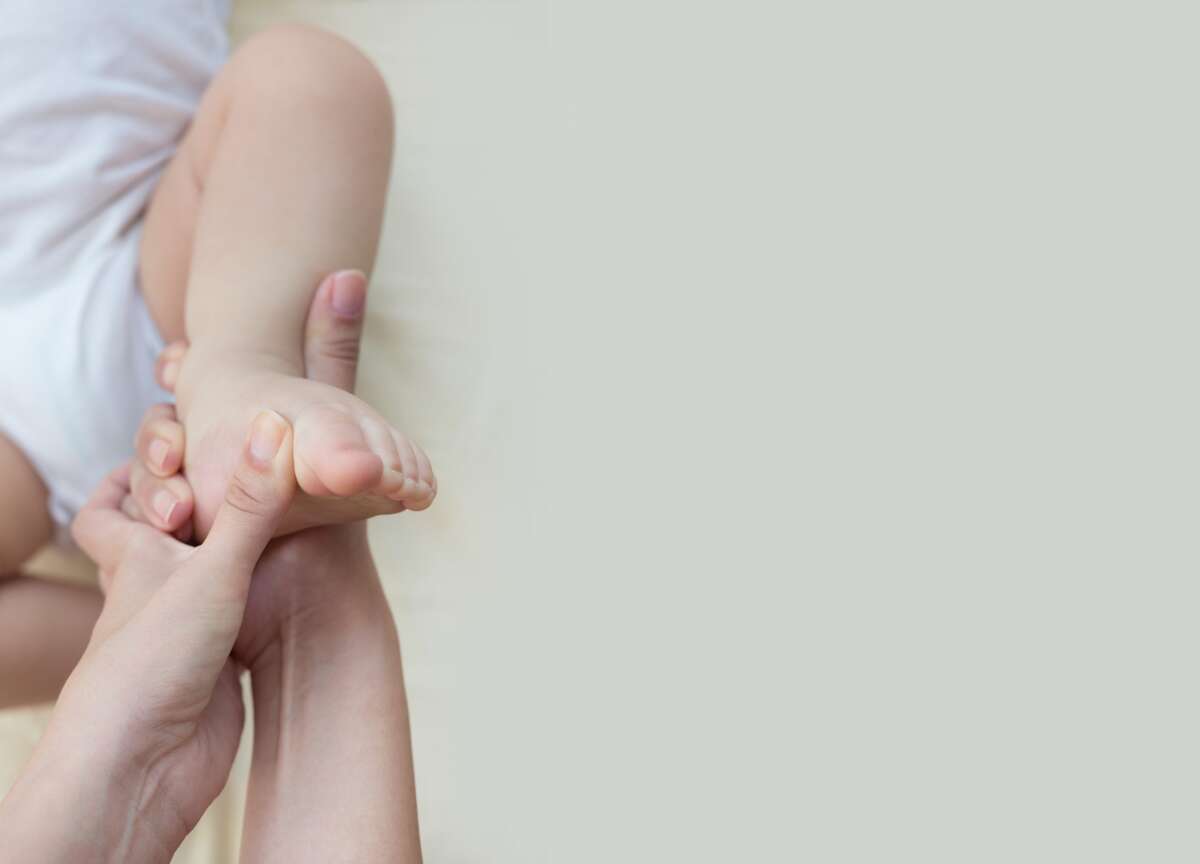

Clubfoot is a congenital deformity developing during fetal growth or after birth that affects foot structures and can reoccur. It is crucial to monitor signs like overpronation, postural problems, and walking difficulties to manage this condition effectively.
Types of clubfoot and related conditions
Idiopathic clubfoot and positional clubfoot are the main types. Idiopathic clubfoot is a true congenital deformity often with hereditary factors, affecting musculoskeletal tissues. Positional clubfoot results from the foot being held in an abnormal position in the womb and is not a true malformation. Idiopathic clubfoot shares symptoms with other foot deformities such as varus foot and adductus metatarsus. Consulting a podiatrist is essential to distinguish these conditions.
Clubfoot symptoms
Newborns with clubfoot do not experience pain at birth but untreated idiopathic clubfoot can cause musculoskeletal problems, walking difficulties, and pain during growth.
Common symptoms before treatment include:
- Foot deformation more severe than typical newborn feet;
- Shortened or constricted Achilles tendon;
- Inward-turning forefoot;
- Toes pointing downward;
- Foot resting on the outer toes;
- Increased foot stiffness.
Diagnosing clubfoot
Clubfoot is usually detected by ultrasound as early as the second month of pregnancy. If uncertain after birth, a podiatrist can perform further exams including a biomechanical exam to assess foot function, appearance, and mobility.
Causes and aggravating factors
The exact cause of clubfoot remains unknown, but several risk factors raise the likelihood of its occurrence:
- Gender: boys are twice as likely to be affected;
- Heredity: family history increases risk;
- Smoking: maternal smoking during pregnancy is linked to higher incidence;
- Related conditions: diseases like spina bifida and Larsen syndrome can cause similar deformities but are not idiopathic clubfoot.
Clubfoot prevention
Prevention is difficult since clubfoot develops prenatally. Regular monitoring of foot development and growth after birth is essential for early intervention.
Treatments to correct clubfoot
Treatment involves surgery and use of orthopedic devices. Early management starting in the first weeks of life is critical, involving multiple healthcare professionals.
Treatment stages include:
- Casting: Immobilization of the affected foot during early infancy;
- Achilles tendon tenotomy: Surgical release to improve heel and foot flexibility;
Use of ankle-foot orthoses: Worn until the child takes first steps to prevent recurrence.
Learn more with PiedReseau
To deepen your knowledge about idiopathic clubfoot and similar deformities, explore our articles or consult directly with a PiedReseau podiatrist. Caring for your feet from the start is vital.