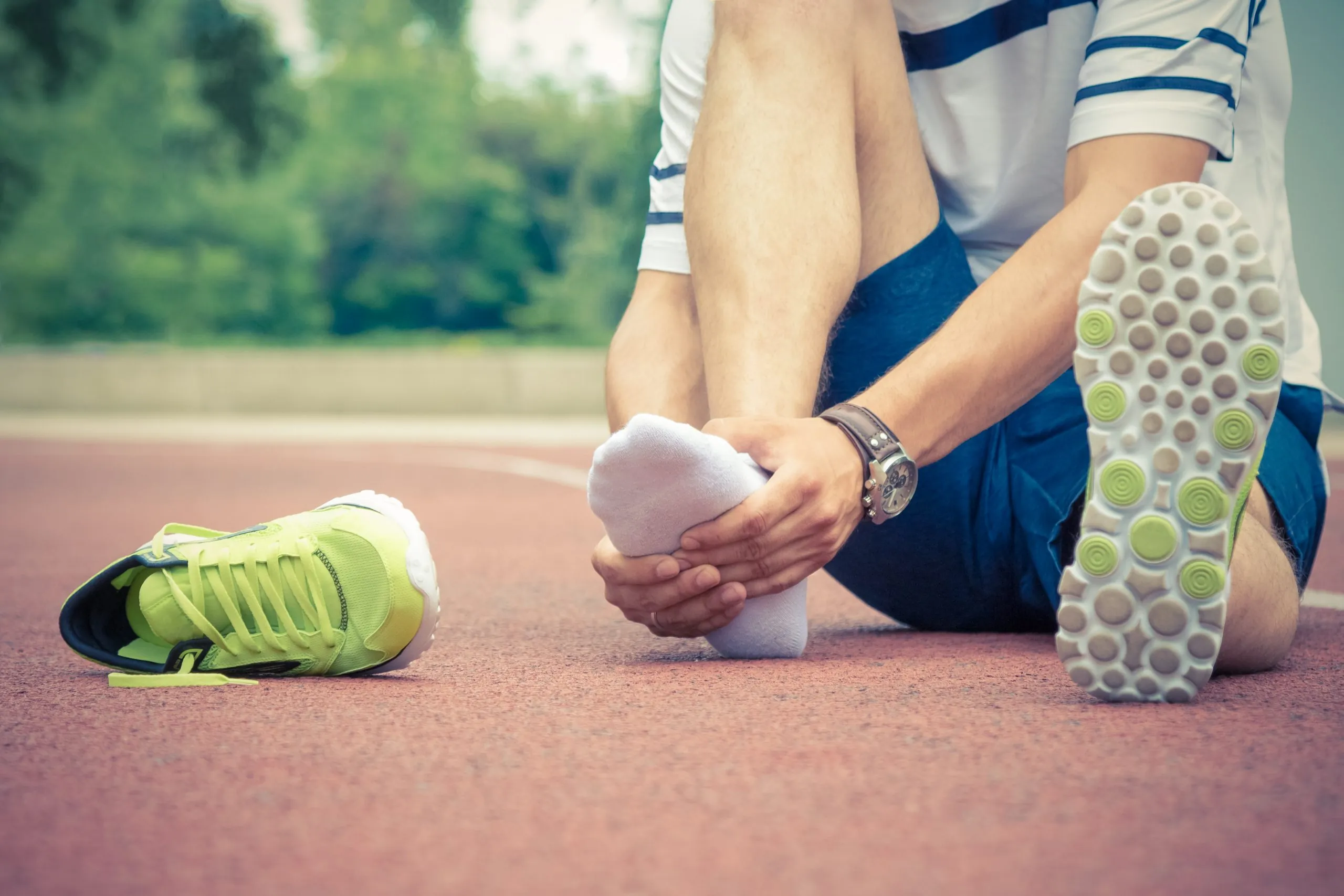

Muscle cramps are common and can have various causes. Sudden involuntary contractions of one or more muscles, cramps cause sharp pain, especially in the calves. While often harmless, cramps can sometimes indicate serious issues. It is important to understand the symptoms, causes, and remedies of muscle cramps.
Significant symptoms of muscle cramps
Usually, muscle cramps are not alarming, but accompanying symptoms require attention. Important signs include:
- Muscle cramps in the calves or under the feet;
- Frequent or prolonged cramping episodes;
- Muscle weakness;
- Loss of sensation before or after cramps.
If you experience these, consulting a healthcare professional is advised to rule out issues like hypothyroidism or mechanical causes.
Different types of muscle cramps
Not all muscle cramps are due to dehydration; various types exist:
- Sport cramps: caused by intense physical effort, lack of preparation, and significant fluid loss.
- Metabolic cramps: often linked to dehydration but also vitamin B (B1, B5, B6) or potassium deficiencies.
- Night cramps: common in children and linked to growth, but persistent nocturnal cramps need treatment.
- Pathological cramps: related to chronic conditions such as diabetes, polio, Parkinson’s, MS, or circulatory problems.
- Orthopedic cramps: stem from foot abnormalities or previous injuries; improper footwear can worsen them.
What aggravates muscle cramps
Most muscle cramps are harmless, but certain factors increase their frequency and intensity, such as:
- Poor hydration;
- Inadequate sports preparation;
- Excessive sweating;
- Aging;
- Heavy use of alcohol, caffeine, or tobacco;
- Cold weather;
- Rapid weight gain (e.g., pregnancy);
- Unsuitable footwear;
- Fatigue and stress.
If cramps become complex, a podiatrist’s examination can help identify causes.
Prevention of muscle cramps
Muscle cramps are generally preventable. Recommended measures include:
- Avoid exercising right after meals;
- Drink at least one liter of water daily;
- Limit caffeine, tobacco, and alcohol;
- Don’t sleep with feet pointed;
- Follow thorough warm-up routines before sports;
- Wear shoes suited to your feet and activities;
- Reduce the use of high heels.
Additionally, cramps can be relieved quickly through simple movements; see how to relieve foot or leg cramps.
Medical treatments for muscle cramps
Cramps are rarely problematic but can signal underlying conditions. Direct treatment is often unnecessary. However, podiatrists may address cramps caused by plantar deformities or biomechanical problems with:
- Custom foot orthoses prescriptions;
- Adapted footwear;
- Specific stretching exercises;
- Supportive heel pads;
- Arch strengthening exercise routines.
If podiatric care is insufficient, referral to other specialists is possible.
PiedRéseau – Learn more
For extensive information on muscle cramps and related leg and foot conditions, visit our website. Nevertheless, consulting a podiatrist in person remains the best option for diagnosis and care. Take care of your feet—they are precious!