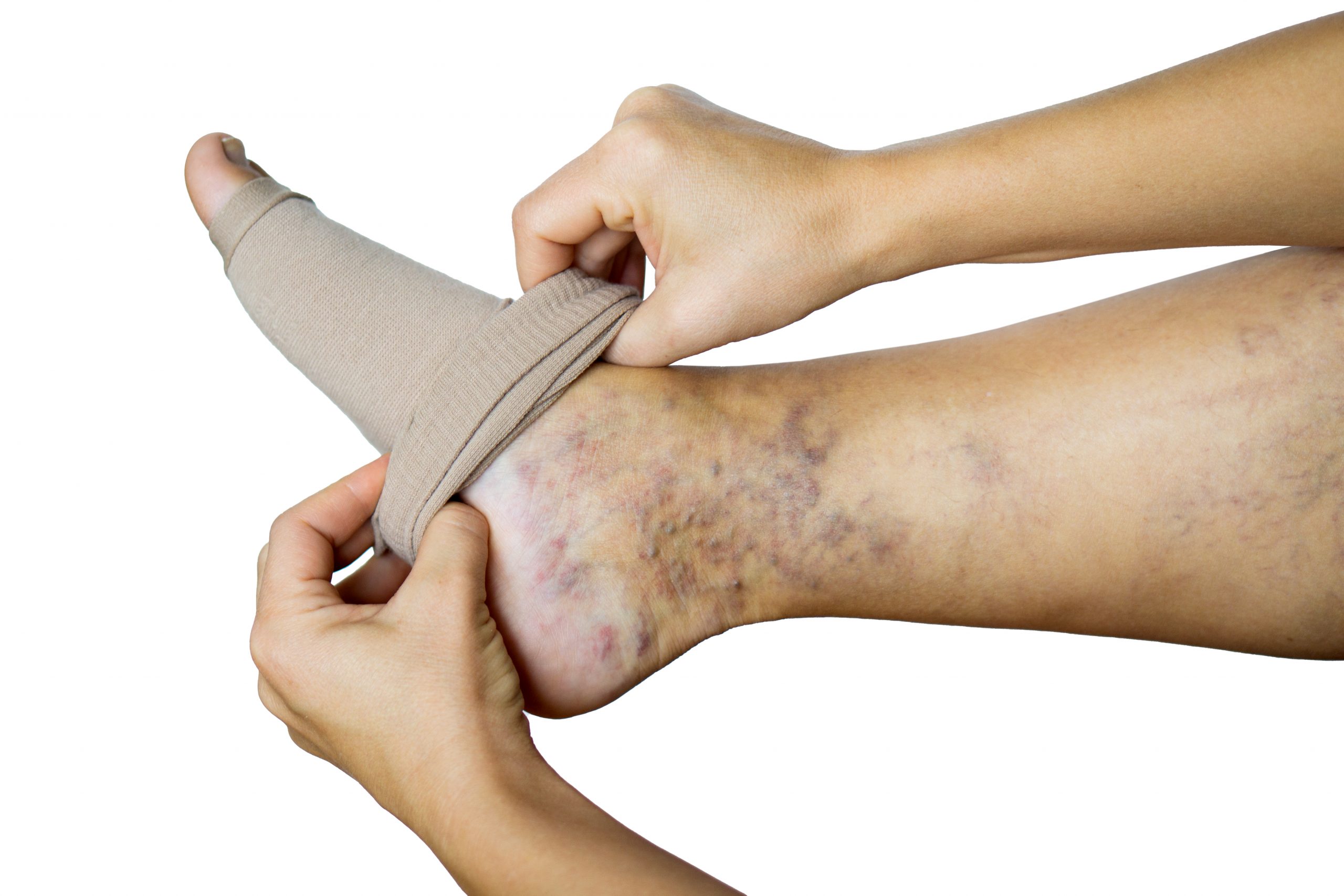

Venous insufficiency causes poor blood flow from the lower limbs to the heart, leading to functional complications if untreated. Recognizing symptoms early is key to timely treatment and preventing chronic issues.
Symptoms of venous insufficiency in the legs
Identifying venous insufficiency symptoms early is critical for managing this circulatory disorder. Key signs include:
- Swelling of feet, knees, and legs
- Numbness or loss of sensation in the feet
- Blue skin coloration on affected areas
- Reddish dots on feet and legs
- Night leg cramps
- Heaviness in the legs
- A constant need to move the legs
Due to health risks, consulting a doctor or podiatrist when these symptoms appear is advised.
The consequences of venous insufficiency in the legs
Ignoring venous insufficiency signs can lead to serious complications, such as:
- Varicose veins: Swollen, bluish veins caused by poor blood circulation
- Edema: Fluid buildup causing foot and ankle swelling
- Venous ulcers: Skin weakening around veins, leading to painful ulcers near the ankle
- Phlebitis (venous thrombosis): Painful blood clots, potentially dangerous when deep veins are affected
What causes venous insufficiency in the feet?
Vein valves normally ensure proper blood flow in the lower limbs, preventing backflow. Failure of these valves causes blood pooling and pain.
Contributing factors include:
- Smoking
- Lack of physical activity
- High blood pressure
- Poor diet
- Heredity
- Pregnancy
- Continuous heat or sun exposure
- Prolonged static positions at work
- Wearing high heels
Prevent venous insufficiency
Early detection helps management, and healthy habits reduce risk. To prevent venous insufficiency, adopt the following:
- Moderate exercise like swimming or walking
- Limit wearing high-heeled shoes
- Quit smoking
- Maintain a balanced diet
- Avoid long static postures
- Regularly move toes, feet, and ankles
- Wear loose clothing
Medical treatments
Despite lifestyle efforts, treatment by a physician or podiatrist is typically necessary to relieve venous insufficiency.
Treatments include:
- Compression stockings to improve blood flow
- Wound care for venous ulcers
- Intermittent pneumatic compression (CPI)
- Phlebotropic medications to strengthen vein walls and reduce pain
- Anti-phlebitis medications
Surgery is not used to treat venous insufficiency itself but can alleviate varicose vein symptoms through procedures like:
- Varicose vein removal
- Cryosurgery
- Stripping of major veins in the lower limbs
PiedReseau – Learn more
For more on foot circulation problems, explore our detailed resources. However, a face-to-face consultation with a podiatrist remains the best approach.
Take care of your feet, they’re precious!