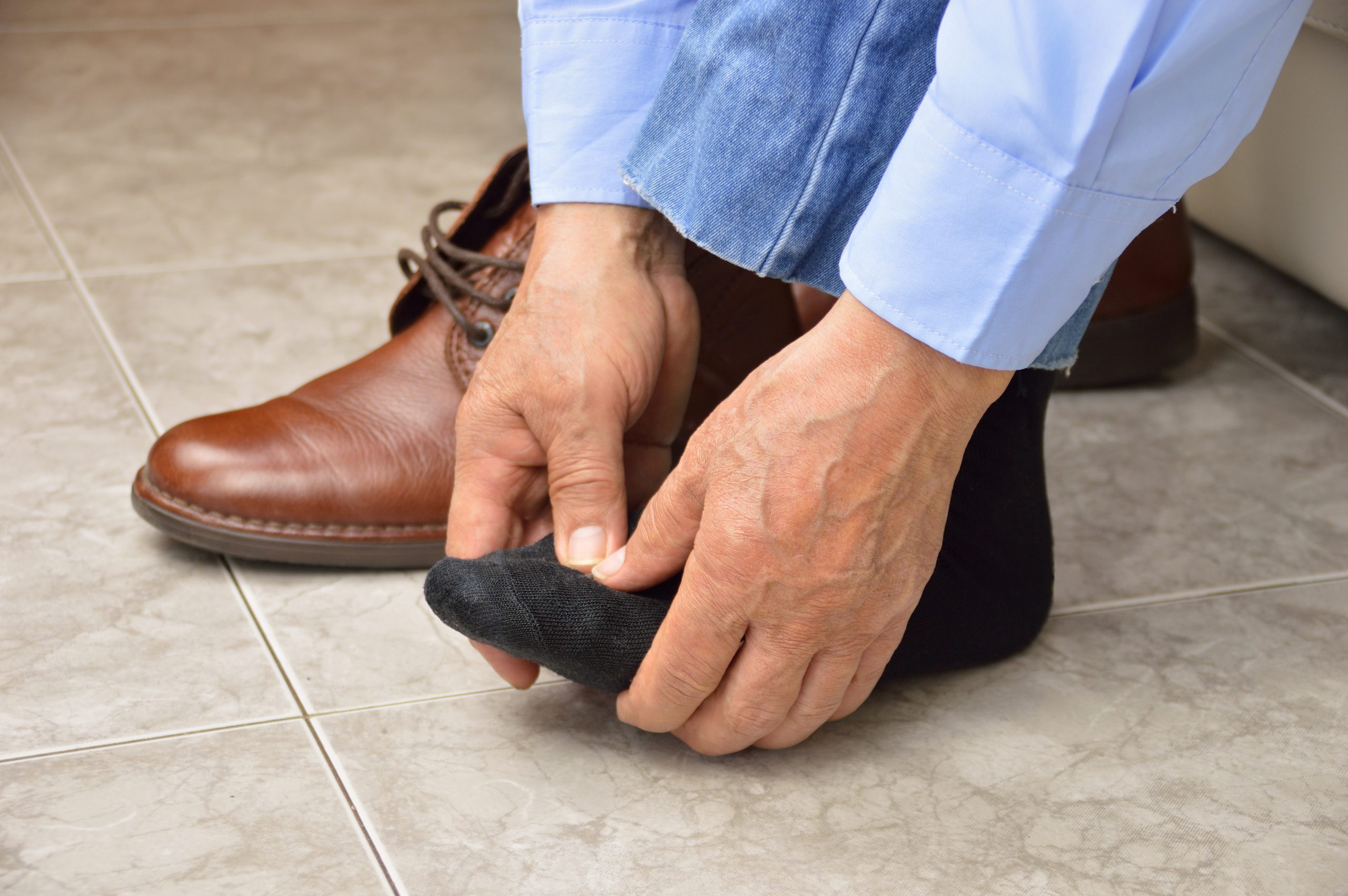

Normally, the big toe has a limited range of motion. However, a joint obstruction can cause knee discomfort, heel pain, and ankle sprains. This condition is known as functional hallux limitus. Without treatment, it can progress to hallux rigidus, a debilitating form of big toe osteoarthritis. Understanding its symptoms, causes, and treatments is essential to prevent permanent damage.
Functional hallux limitus symptoms
Early diagnosis of functional hallux limitus is challenging because its symptoms resemble other conditions affecting the big toe. Recognizing these symptoms is crucial for prompt treatment:
- The buildup of corns and calluses on the inner side of the big toe
- Significant discomfort around the big toe
- Knee pain
- Tension in the sole of the foot
- Back pain (lumbago)
- A bunion (hallux valgus)
- Postural changes from muscle compensation
- Repeated ankle sprains
- Supination (walking on the outer foot)
- Claw or hammer toes
When hallux limitus turns into hallux rigidus
If untreated, functional hallux limitus may cause permanent joint blockage called hallux rigidus. This osteoarthritis deformity leads to bony growths (osteophytes) on the metatarsophalangeal joint.
Additional complications include:
- Knee tendonitis
- Patellofemoral syndrome
- Capsulitis or metatarsalgia
- Plantar fasciitis
- Bursitis
- Corns
- Osteitis (bone inflammation)
Consult a podiatrist early to avoid these consequences.
Diagnosing hallux limitus
Due to its impact on body balance, early diagnosis of hallux limitus is important. Podiatrists perform tests such as:
- The stretch test to assess hallux longus tendon motion
- Biomechanical exam to observe walking and standing abnormalities
- Digital x-rays to detect bony growths
Based on diagnosis, the best treatment options are recommended.
Causes and aggravating factors
The source of hallux limitus pain is the joint capsule of the big toe. It arises when imbalanced mechanics prevent proper joint bending and coordinated movement.
Causes and aggravators include:
- Heredity
- Forms of arthritis such as gout, rheumatoid arthritis, osteoarthritis
- Wearing stiff or ill-fitting shoes
- Insufficient warm-up or stretching before activity
- High-impact sports stressing the big toe (ballet, running, figure skating)
- Frequent use of high-heeled shoes
- Improperly treated injuries like stress fractures
- Hallux valgus (foot bunion)
Foot types such as flat or cavus foot also influence risk.
Ways to prevent hallux limitus
Preventing hallux limitus helps avoid hallux rigidus. Tips include:
- Wearing non-compressive shoes
- Using orthopedic inserts
- Avoiding high heels
- Proper stretching before exercise
- Limiting sports that stress the big toe
Medical treatments for hallux limitus
Some cases resist prevention and require podiatric care. Non-invasive treatments include:
- Custom-made foot orthotics
- Orthopedic shoes
- Therapeutic foot manipulation
Surgery is considered when hallux limitus advances to severe hallux rigidus.
PiedReseau – Learn more
For detailed information about foot disorders like hallux limitus, visit our website. However, personal consultation with a podiatrist remains essential. Take care of your feet—they’re precious!