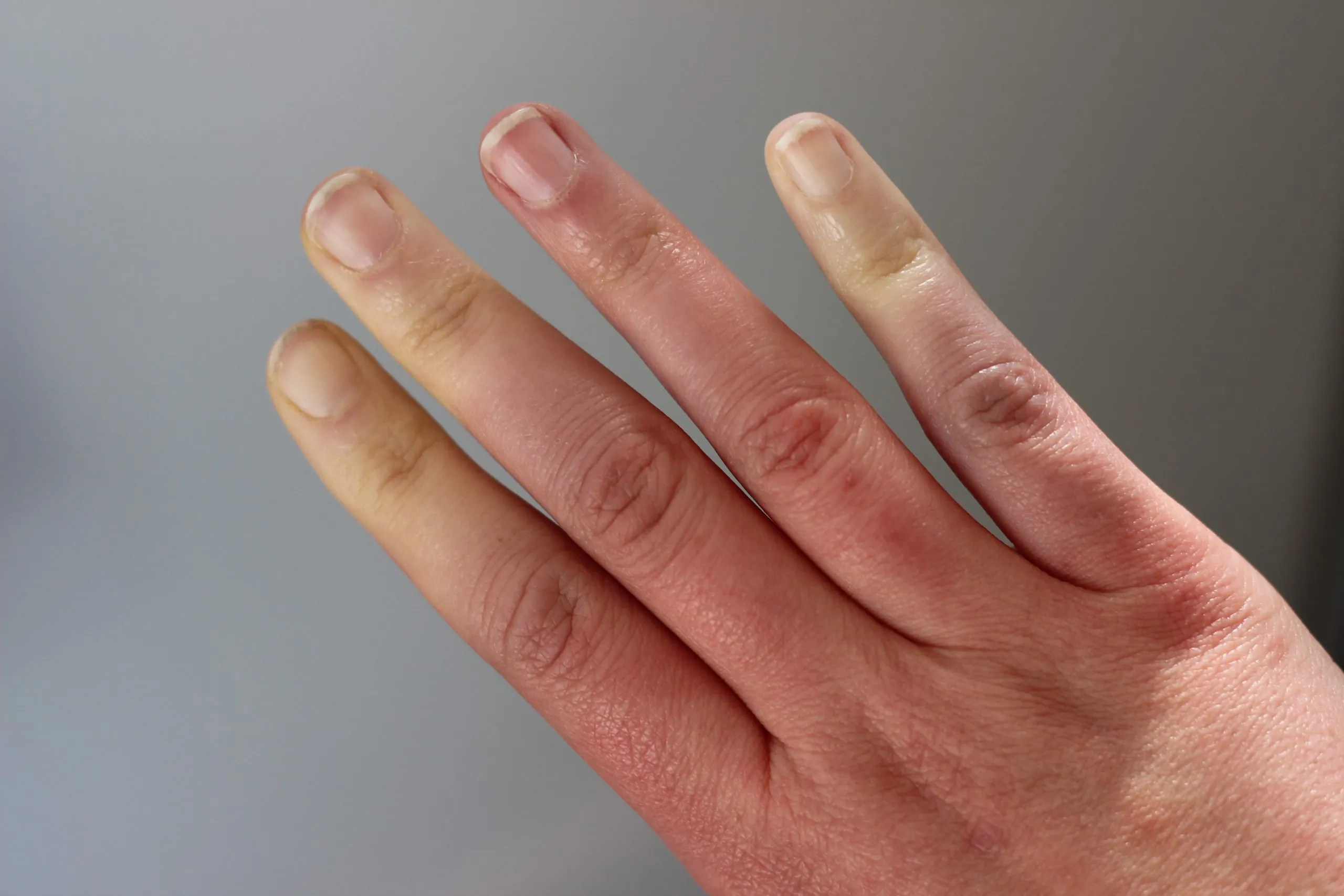

Raynaud’s disease is an arterial illness affecting the small arteries in the feet and hands. It causes blood vessels to constrict excessively when the body is exposed to cold, leading to numbness in extremities. Though not usually painfully severe, ineffective management can cause serious complications. The illness comprises two stages: primary and secondary. Explore the causes and treatments available for Raynaud’s disease below.
Raynaud’s disease symptoms
This circulatory condition presents in two stages. The primary stage shows visual signs without apparent physical symptoms. When it progresses to the secondary stage, physical symptoms emerge, making signs more identifiable. Most individuals experience the primary stage.
Primary stage symptoms include:
- Numbness and coldness in the feet;
- Bluish discoloration of affected areas;
- Temporary isolated white spots;
- Color returns to normal when heat is applied.
Secondary stage symptoms add:
- Sensitivity in extremities;
- Burning and stinging sensations in fingers and toes;
- Formation of red, painful spots;
- Potential frostbite.
Episodes can last minutes to hours depending on care. Untreated, the feet and hands may suffer skin contraction, toe ulcers, or gangrene. Seek podiatric advice promptly to prevent these complications.
Causes and people at risk
Primary Raynaud’s disease is more prevalent than the secondary. Certain groups are more vulnerable:
- Women aged 15 to 40;
- People prone to stress;
- Those with family history of the disease.
Factors that contribute to secondary Raynaud’s syndrome include:
- Rheumatoid arthritis;
- Repeated chilblains;
- Atherosclerosis;
- Hypothyroidism;
- Certain medications;
- Occupations involving repetitive foot trauma;
- Immunodeficiencies such as scleroderma and Sharp’s disease.
Preventing the effects of Raynaud’s disease
Proper care is vital to avoid tissue death and gangrene caused by Raynaud’s disease. People at risk should adopt preventive routines to minimize the illness’s impact.
Recommended precautions include:
- Wearing well-insulated winter boots that allow toe movement;
- Using warm socks or toe warmers when necessary;
- Avoiding rapid temperature changes, especially cold exposure;
- Reducing stress levels;
- Quitting smoking;
- Exercising to maintain good circulation;
- Avoiding tight ankle jewelry;
- Limiting coffee consumption.
Relieve a crisis
Despite prevention, attacks can occur.
To alleviate Raynaud’s disease symptoms during a crisis:
- Soak feet in lukewarm water to prevent heat shock;
- Massage and move toes and feet to restore circulation;
- If stress-induced, seek a calm environment or practice relaxation techniques.
These home remedies can temporarily ease symptoms. Recurrent crises or ineffective prevention require medical consultation.
Available treatments
No cure exists for primary Raynaud’s disease, but it can be managed through lifestyle changes and relaxation without surgery. Conversely, secondary Raynaud’s syndrome, often a symptom of other diseases, may be curable.
Treatment options include:
- Calcium channel blockers to dilate vessels, reduce muscle tension, and potentially decrease ulcers;
- Alpha blockers;
- Topical nitroglycerin applications;
- Orthopedic shoes, especially if normal footwear compresses toes.
PiedReseau – Learn more
Interested in Raynaud’s disease? We regularly publish articles on this topic. While PiedReseau offers valuable information, nothing replaces a personal consultation with a doctor. Take care of your feet—they’re precious!