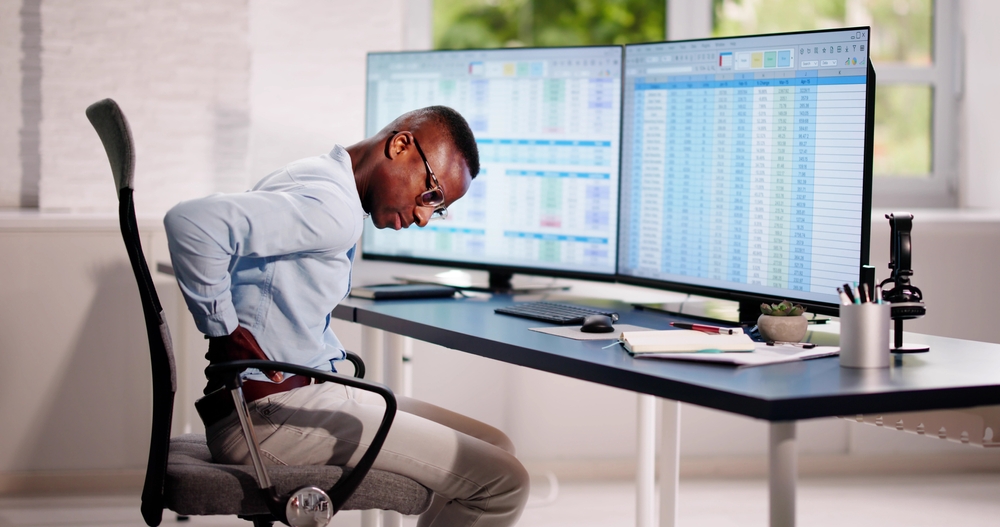

Lumbosciatica: A Result of Lower Back Pain and Sciatica
Lumbosciatica, also known as lumbosciatic pain, combines inflammation of the sciatic nerve with lower back pain. This long nerve runs from the buttock down the leg to the foot, explaining the widespread pain. Unlike simple lower back pain, lumbosciatica’s pain extends beyond the buttock to the leg and foot. It is usually caused by an underlying condition like irritation of a nerve root due to osteoarthritis or a herniated disc. Typically, one leg is affected, with both legs less commonly involved.
How Long Does It Take to Recover from Lumbosciatica?
Recovery time varies depending on causes. Nerve compression by muscle lasts 2 to 4 weeks, whereas a herniated disc can take several months to improve.
What Are the Symptoms of Lumbosciatica?
The primary symptom is pain radiating from the lower back to the calf or toes. This pain may persist during activity or rest and can be tough to relieve during flare-ups. Numbness or tingling in the leg, calf, or toes is common due to nerve sensory disruption. Patients may feel weakness in painful areas, and severe cases can impair walking. Rarely, bilateral leg pain with incontinence or loss of sensation in intimate areas indicates a medical emergency requiring hospital care.
What Can Cause Lumbosciatica?
The most common cause is herniated disc, where the disc nucleus protrudes between vertebrae due to injury, aging, or wear, compressing the sciatic nerve root. Spinal canal narrowing from conditions like osteoarthritis can also trigger symptoms by reducing nerve passage. Narrowing of nerve root channels—lateral foraminal stenosis—from osteoarthritis similarly causes lumbosciatica. These issues often result from aging, joint wear, sedentary lifestyle, or trauma (e.g., car accidents).
Which Population Groups Are Most at Risk of Being Affected by Lumbosciatica?
Occupations involving heavy lifting, prolonged sitting with poor posture, or chronic osteoarthritis place individuals at higher risk of lumbosciatica.
How Does the Chiropractor Diagnose Lumbosciatica?
Chiropractors diagnose lumbosciatica by evaluating medical history, lifestyle factors affecting the back, and physical examination of back and reflexes. Imaging like X-rays can detect spinal bone abnormalities, while MRI provides detailed soft tissue and disc assessment. This comprehensive evaluation allows creating a personalized treatment plan.
Treatments Offered at Chiropractic Clinics for Lumbosciatica
Chiropractic treatment aims to relieve pain and restore mobility using manual therapies to resolve musculoskeletal dysfunctions. Targeted techniques loosen muscles and tissues, decompress nerves, and improve lumbar mobility. Multiple sessions are often required for joint correction and nerve recovery. Patients must also follow home recommendations such as muscle strengthening, applying cold/heat, and stretching exercises.
Enhancing Overall Well-Being with the Chiropractor
Beyond pain relief, chiropractors support mental well-being by focusing on neuro-musculoskeletal health. Their care benefits those with chronic fatigue, stress, or sleep disorders. Chiropractic services are accessible for all ages and conditions. For more information, patients can contact ChiroRéseau clinics.