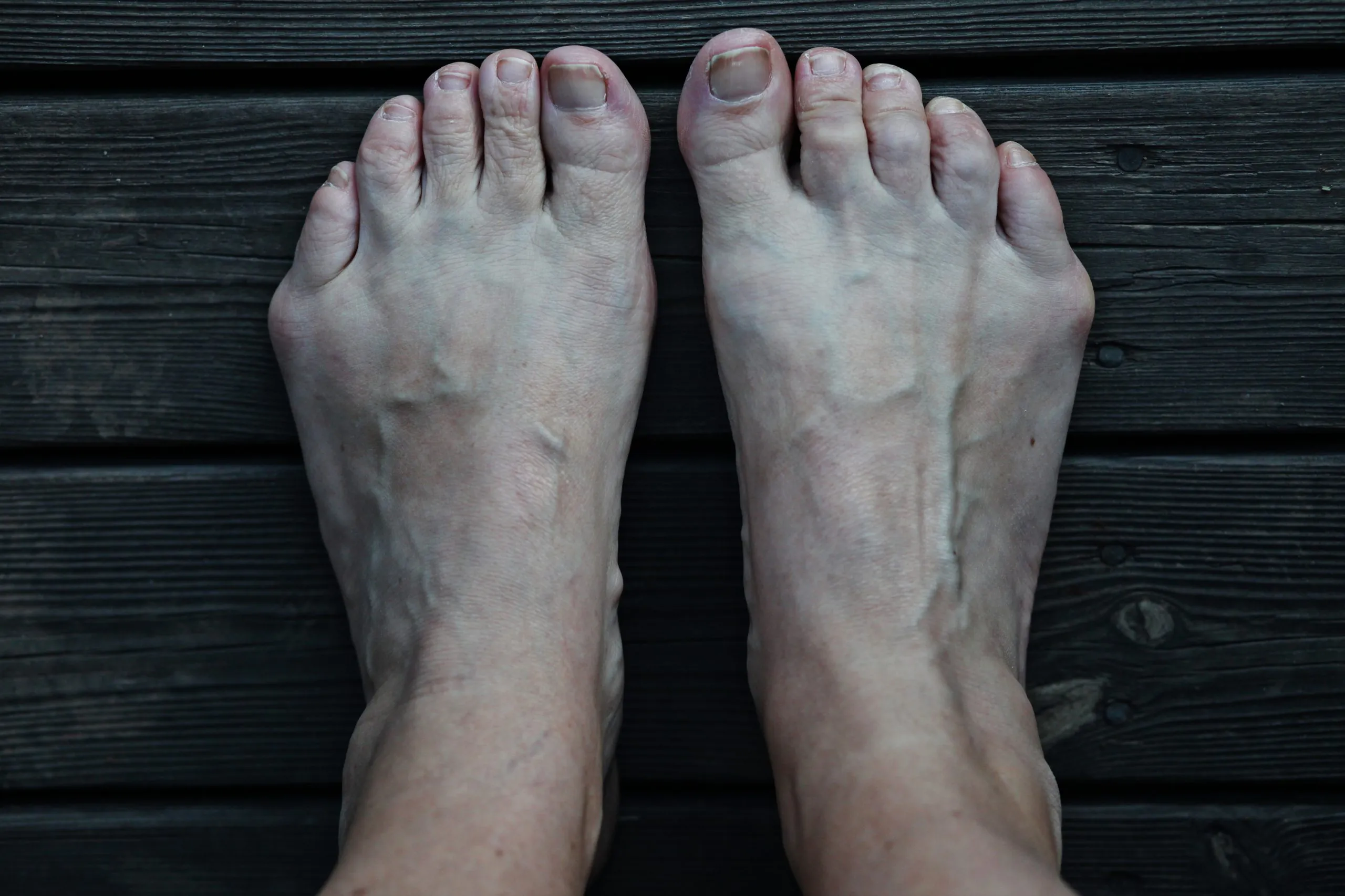

The bunionette, also known as quintus varus or tailor’s bunion, is a deformity of the fifth metatarsal bone causing the little toe to deviate outward, leading to discomfort and difficulty wearing shoes. This condition resembles the bunion of the foot (hallux valgus) and, if untreated, can cause severe complications. Early consultation with a podiatrist is essential to manage symptoms and prevent worsening.
Symptoms and complications
Bunionette is distinguishable from other toe abnormalities like hallux valgus or hammertoes. Recognizing it early is crucial to avoid complications.
This type of metatarsalgia involves aesthetic and physical symptoms such as:
- Pain in the little toe joint;
- Difficulty wearing shoes comfortably;
- Skin thickening near the affected area;
- Outward deviation of the toe base;
- Redness and swelling;
- Toe stiffness;
- Accumulation of corns or calluses at the toe base.
If untreated, complications may include chronic pain, bursitis, bone deformity leading to toe retraction, wounds, osteoarthritis, osteitis, and joint dislocation. Prompt treatment reduces these risks, especially important for vulnerable patients like those with diabetic foot.
Causes and aggravating factors
The bunionette stems from bony abnormalities where the metatarsal bends outward forming a prominence and the last phalanx of the little toe curves inward.
Contributing causes include:
- Flat foot or cavus foot;
- Congenital foot deformity;
- Inflammatory diseases such as rheumatoid arthritis;
- Nervous system impacts post-stroke;
- Foot trauma;
- Wearing ill-fitting shoes that squeeze toes;
- Frequent use of high heels;
- Sports that stress the little toe like skiing or ballet.
Bunionette prevention
Early medical intervention is essential, but prevention helps mitigate progression.
- Maintain a healthy BMI;
- Limit wearing high heels;
- Choose shoes with wide toe boxes;
- Avoid overly flexible footwear like sandals or moccasins;
- Use orthopedic insoles or protective devices near the joint.
For persistent issues, consult a podiatrist for diagnosis and treatment via professional care.
Medical treatments
Treatment targets correcting the mechanical imbalance causing the bunionette. Diagnostic tests include:
- Biomechanical foot examination;
- Postural assessment;
- Visual foot examination;
- Digital radiography;
- Ultrasound imaging.
Common treatments include orthosis for the toe (orthoplasty), custom foot orthoses, orthopedic footwear, anti-inflammatory medication, corticosteroid injections if the joint is inflamed, manual foot therapy, and comprehensive foot care (soaking, moisturizing, and removing corns).
If conservative management fails, surgery options like metatarsal osteotomy (bone cutting) or less invasive percutaneous surgery may be considered. Podiatrists strive to avoid surgery whenever possible, due to the lengthy recovery required.
PiedReseau – Learn more
For extensive information on bunionette and other toe deformities, visit our site. However, nothing replaces a face-to-face consultation with a podiatrist. Take care of your feet—they are precious!