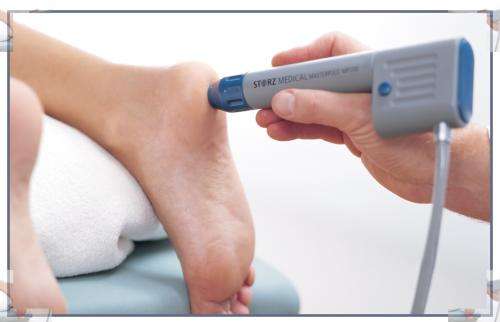

ShockWave therapy, initially developed to break up kidney stones, is now widely used by podiatrists to treat persistent musculoskeletal injuries. This treatment uses acoustic shock waves to promote healing and relieve pain in foot disorders such as plantar fasciitis, Achilles tendinitis, and heel spur.
How ShockWave therapy works
The podiatrist uses a device with an applicator emitting high-intensity pulses through the skin to target damaged tissues. By inducing controlled microtrauma, it triggers a beneficial inflammatory response that activates healing processes.
Common physiological responses include:
- Increased blood flow to the area
- Formation of new blood vessels (neovascularization)
- Temporary pain relief and muscle spasm reduction
- Gradual destruction of damaged tissue
- Accelerated healing
- Improved mobility
- Enhanced collagen production essential for ligament and musculoskeletal repair
The therapeutic benefits of shock waves
Despite some discomfort during treatment, ShockWave therapy offers numerous benefits:
- No significant side effects
- Non-surgical, minimally invasive alternative
- Quick and simple application
- Usually drug-free treatment
- Long-lasting results
- Precise targeting of problematic foot areas via the applicator
Nonetheless, proper podiatric consultation is essential to address all contributing conditions and prevent recurrence.
What can be treated with ShockWave therapy
Podiatrists use ShockWave therapy for various foot ailments, including:
- Achilles tendinitis
- Bursitis
- Morton’s neuroma
- Plantar fasciitis
- Heel spur
- Anterior tibial syndrome
- Sports or work-related injuries
- Patellar tendonitis
- Scar adhesions with delayed healing
Contraindications
Although generally safe, ShockWave therapy should be used cautiously or avoided in certain cases such as:
- Weakened immune system due to disease
- Chemotherapy
- Diabetes
- Pregnancy
- Heart and circulation problems
- Infection in the treatment area
- Unclear pain sources
- Recent cortisone injections
How does the therapeutic session proceed
ShockWave therapy begins with a podiatric diagnosis, which may include biomechanical exams, X-rays, or foot ultrasounds. If suitable, treatment involves:
- Palpating the painful area
- Applying conductive gel
- Delivering shock waves at appropriate frequency
Typically, 3 to 5 sessions with frequencies between 10 and 15 Hz (e.g., for plantar fasciitis or heel spur) are required for lasting results. Possible side effects are localized pain, redness, swelling, or bruising. Persistent symptom worsening should prompt consultation with the podiatrist.
ShockWave therapy is an effective solution for chronic pain
As a minimally invasive approach, ShockWave therapy fits the podiatrist’s conservative treatment philosophy. When combined with other treatments like foot orthoses, it delivers enhanced relief. Patients with stubborn foot pain may find effective solutions through ShockWave therapy. Consult your podiatry clinic to explore if this therapy is suitable for your condition.