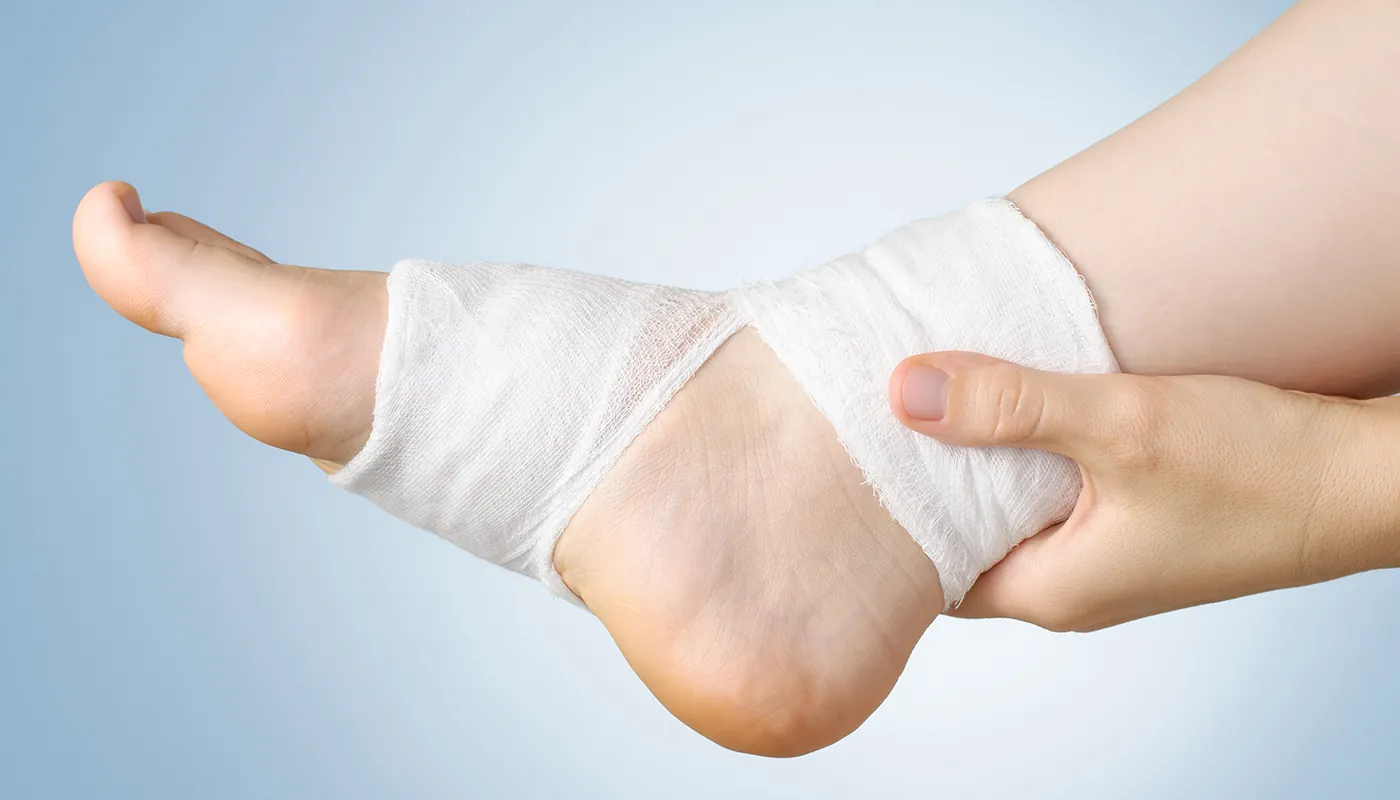

Soft tissue or foreign body surgery on a fingernail, toe, or foot is performed by a surgical podiatrist when a foreign body such as glass, metal, or wood becomes lodged in the foot. This surgery can also involve biopsies or removal of enlarged lesions.
What is soft tissue excision?
In podiatry, soft tissue excision refers to any surgical procedure aimed at removing harmful elements like foreign bodies, lesions, or tumors from the foot. Qualified podiatrists typically perform this minor surgery under local anesthesia directly in their clinics.
Which people are at risk?
Anyone can have a foreign object stuck in their foot, as daily activities expose feet to various small objects. The expertise of a podiatrist is crucial in determining the appropriate foot surgery required for removing foreign bodies or lesions.
What can patients expect from soft tissue or foreign body surgery on the foot
It is essential for patients to consult a reputable podiatrist who thoroughly explains the procedure and all treatment options. Patients should be informed about potential temporary pain during dressing changes or walking post-surgery.
When to choose a soft tissue excision?
Podiatrists opt for soft tissue excision when lesions are large or when deep foreign bodies affect the foot. This surgery is typically reserved for more serious cases.
How to choose the right podiatrist for your soft tissue excision?
Choosing the right podiatrist is crucial for successful soft tissue or foreign body surgery. Consider these factors:
- Personalized approach: The podiatrist should tailor treatments based on individual needs and situations.
- Versatility: Capability to handle diverse surgical cases and patient conditions.
- Human approach: Empathy and respectful communication to ensure patient comfort.
- Availability: Ability to provide quick care, especially in emergencies.
The patient’s medical history is very important
A skilled podiatrist actively listens and explores the patient’s medical history to adapt their approach and provide tailored advice.
Clinical examination
A clinical examination is essential to confirm the diagnosis and determine the need for surgery. It evaluates the surgical history, medical history, vascular status, lifestyle, medications, and allergies of the patient.
Conservative treatments
Foreign bodies in the foot usually require surgical removal for safety and effectiveness. However, soft tissue injuries may first be managed with non-invasive methods such as:
- Wide and flexible footwear;
- Cortisone injections;
- Foot orthotics;
- Padding to prevent friction.
Soft tissue or foreign body surgery: interesting benefits for your well-being
This surgery offers multiple benefits, including:
- Reduction of pain and discomfort;
- Restoration of posture and gait;
- Ability to wear footwear normally;
- Complete removal of the lesion or foreign body.
Benefits of soft tissue excision done by a podiatrist
Although recovery requires some adjustment, benefits are quick:
- Rapid return to work;
- Maintenance of daily activities (with some sports limitations);
- Permanent resolution of the foot issue;
- Preservation of foot aesthetics.
Why a podiatrist?
Only podiatrists can best determine treatment options for lesions or foreign body removal. They facilitate timely care, recommend other specialists if needed, provide comprehensive support, conduct follow-ups, and prevent future complications.
Choosing PiedRéseau offers several benefits
PiedRéseau clinics provide easy access to qualified podiatrists across Quebec, offering quick assistance and clear answers.
How soft tissue or foreign body surgery is performed
Treatment steps include:
- Assessment of the lesion or foreign body using X-ray and foot ultrasound imaging;
- Delimitation of the surgical area;
- Local anesthesia and surgical preparation;
- Dissection of adjacent vasculo-nervous structures;
- Removal of lesion or foreign body;
- Skin graft or flap as needed;
- Suture placement if necessary;
- Pathological analysis of removed tissue.
A follow-up visit is scheduled 7 to 14 days after surgery to monitor recovery.
Recovery time after soft tissue or foreign body surgery
Recovery varies from days to a month depending on the case, with most patients resuming normal activity after about 3 weeks. During recovery, avoid sports and driving but mobilize the operated area after anesthesia. Pain during dressing changes or walking is typical.
Closely follow the podiatrist’s instructions!
Following your podiatrist’s instructions strictly before and after surgery is crucial for successful healing and treatment outcomes.