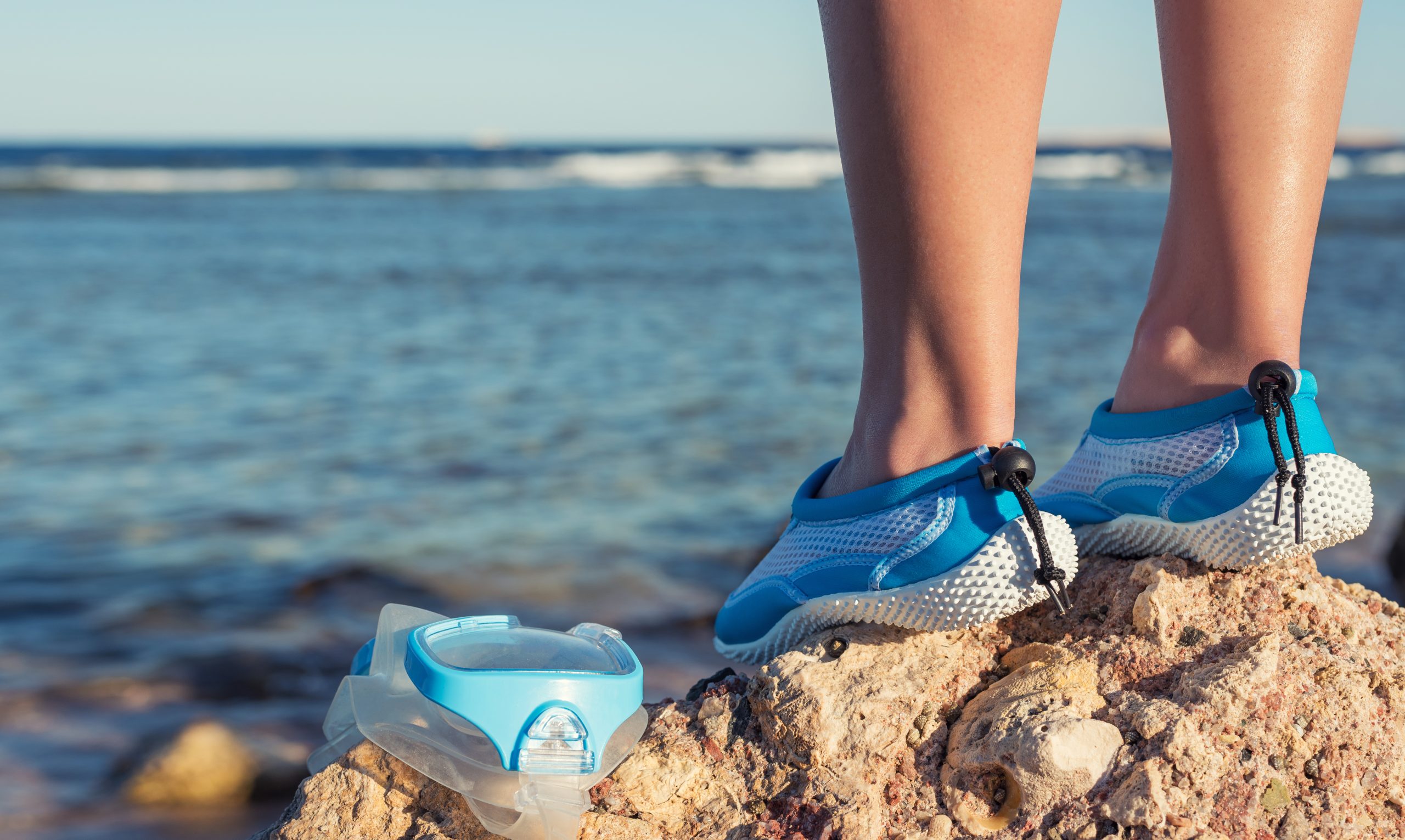

Even underwater, your feet deserve proper protection
Diving boots and socks are essential to protect your feet from cold, pressure injuries, and irritation caused by fins. Whether you are a seasoned diver or just starting out, choosing the right diving footwear enhances comfort and safety underwater. Your feet are vulnerable to various hazards even while floating, so it’s important to choose suitable protection.
Diving Boots vs Socks: Which Footwear for Your Dive?
Protecting your feet underwater is as important as on land. Like jogging or hiking, scuba diving requires appropriate footwear.
What kind of footwear should you wear? Socks or boots? Though similar in appearance, they serve different purposes:
- Socks are soft neoprene, slightly reinforced, ideal if you use full-foot fins.
- Boots have solid soles with reinforced heel, toe, and underfoot areas plus zippers, necessary for adjustable fins.
Water temperature also influences your choice. Colder waters require thicker layers, typically 1 to 7 mm for socks and 3 to 7 mm for boots.
Rock Boots or Diving Boots: Which to Choose for Underwater Safety?
Rock boots and diving boots look alike but have different uses. Rock boots, worn with adjustable fins, have more reinforced soles resembling shoes and are perfect for rocky terrain.
The terms are sometimes confused in the industry, so focus on the features like reinforcement, materials, and thickness rather than the name.
Before purchasing, consult both a podiatrist and diving expert. Their combined advice helps select boots best suited to your foot morphology.
The importance of diving boots
Just like daily shoes that protect your feet from environmental conditions, diving boots shield your feet from cold and irritation from fins. Proper fit is crucial to avoid discomfort and water retention, which can occur if the boots are too tight or loose.
Investing in quality boots along with fins and wetsuits is key to safe diving.
What do podiatrists say about diving boots?
Podiatrists emphasize quality materials and correct fit for any sport-specific footwear. If you have plantar issues, consulting a podiatrist helps determine the most suitable diving footwear to prevent discomfort or injury.
FAQ About Diving Footwear: Booties, Socks, and Rock Boots
How Do Diving Socks and Boots Differ in Use?
Diving socks are softer and intended for use with full-foot fins, while diving booties have rigid soles and are designed for open-heel adjustable fins. Booties provide better protection on rough seabeds. More about safety can be found on the PADI website.
What Thickness for Neoprene Booties in Cold or Warm Water?
Warm water requires 1 to 3 mm thickness, whereas colder water needs 5 to 7 mm to ensure adequate thermal insulation.
Do I need a podiatrist’s opinion?
Consultation is not mandatory but recommended to avoid selecting footwear that may cause discomfort or injury in the long term.
Are Rock Boots Essential for Diving?
Rock boots are useful mainly for walking on hard or rocky surfaces and are unnecessary for typical boat dives.
Can I Use Diving Boots for Other Activities?
Yes, diving boots are suitable for snorkeling, kayaking, or similar aquatic activities, provided they meet your requirements for flexibility and grip.
The importance of protecting your feet even underwater
Proper diving footwear like boots or socks is essential for protection against injuries, pressure, and cold. Preparing well with suitable boots allows you to fully enjoy your underwater experience.
If uncertain or if you have foot conditions, consult a podiatrist from the PiedRéseau network before buying diving footwear.