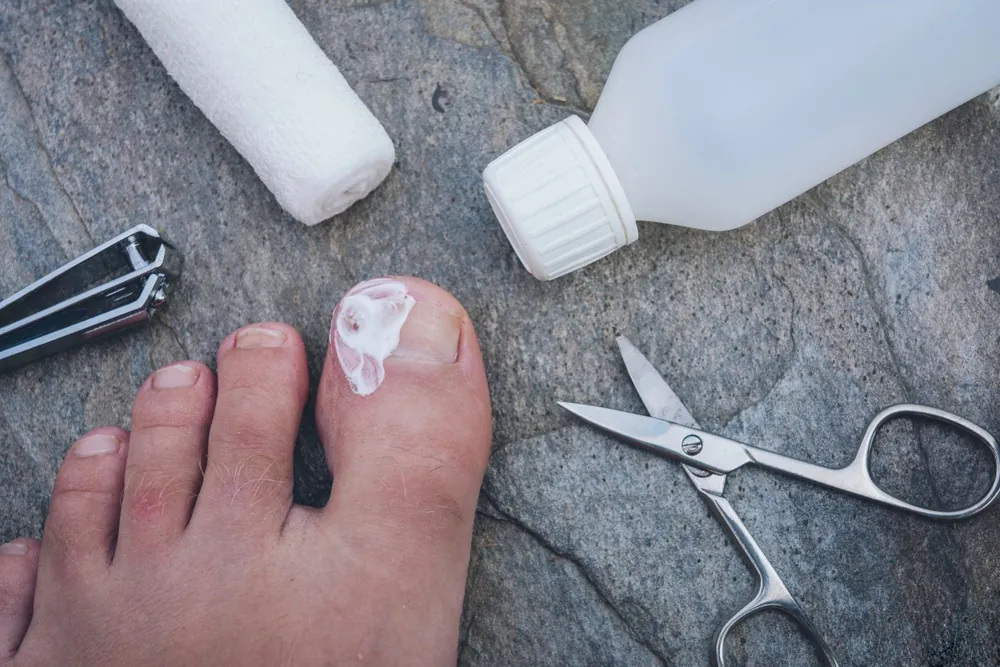

An ingrown toenail is a painful foot condition mainly affecting the big toe when a nail section grows into the skin. Ingrown toenail surgery helps quickly relieve symptoms such as redness, inflammation, sharp pain, and infection to avoid serious complications.
What exactly is an ingrown toenail?
An ingrown nail (onychocryptosis) occurs when part of the nail penetrates the toe’s skin, mainly the big toe. Surgery offers effective relief from the condition and prevents worse problems.
What types of people are more at risk?
Certain groups are more susceptible to ingrown toenails and may need surgery to stop deterioration:
- Diabetics, to avoid infections potentially reaching the bone.
- Seniors with thick or curved nails and fragile skin.
- Adolescents who sweat more and might trim nails improperly.
Individual needs vary; prompt professional consultation is essential.
Patient expectations following ingrown toenail surgery
The podiatrist must understand the patient’s expectations. Surgery aims to relieve pain and maintain the best aesthetic nail appearance possible, though full original aesthetics may not always be restored. Extensive cases might require partial nail removal.
When should a patient elect to have ingrown toenail surgery?
If walking, wearing shoes, or sports become difficult, surgery should be considered. Persistent ingrown toenail symptoms beyond two weeks despite home treatments require professional evaluation to prevent infection.
What’s the best way to select a podiatrist for an ingrown toenail?
Choosing a podiatrist involves ensuring personalized treatment, availability, and compassionate care. PiedRéseau clinics provide easy access, prompt podiatrist contact, rapid response to complications, and clear post-surgery guidance, accessible throughout Québec.
How do we evaluate whether a patient requires ingrown toenail surgery?
PiedRéseau podiatrists assess each case through clinical examination considering medical history, medications, allergies, and a vascular evaluation to ensure good healing. An X-ray may be performed to check for any bone damage related to the ingrown toenail.
Conservative treatment methods
Before surgery, it’s important to review all non-surgical attempts such as podiatrist-led nail trimming, foot baths with massage, nail strip application, and minor hospital procedures. Advanced cases, however, often require matricectomy as the definitive solution.
Advantages
Matricectomy offers key benefits: accessibility, speed, cosmetic results, and minimal pain. PiedRéseau provides expert follow-up and increased availability. Podiatrists factor in patient history and chronic causes like nail deformation or thickening.
Ingrown toenail surgery (partial matricectomy)
Ingrown toenail surgery at a podiatry clinic is minimally invasive, performed under local anesthesia to minimize pain and preserve toe aesthetics.
Procedure steps at the clinic:
- Toe anesthesia lasting 1-6 hours
- Cleansing and disinfecting
- Gentle nail release
- Partial nail removal (2-5 mm)
- Removal of infected area with phenol
- Rinsing with saline or alcohol
- Application of antibiotic cream and dressing
Patients can return home shortly after.
At home, keep the dressing dry for 24-48 hours; tingling and tenderness are normal as anesthesia wears off.
Chronological steps of ingrown toenail surgery
Care process overview:
Pre-surgery assessment: Understand treatment and decide clearly.
Surgical preparation: Foot bathing within 24 hours before surgery.
Day of surgery: Take any recommended meds an hour prior; procedures performed under local anesthesia or mild sedation.
Follow-up and home care: Clear instructions provided; follow-up visit in 7-14 days. Keep foot dry initially.
Recovery duration and resuming activities:
Healing generally takes 2-4 weeks. Patients often resume daily activities painlessly by the second week but must closely follow instructions for successful recovery.
Follow your instructions to the letter!
Strict adherence to pre- and post-surgery guidelines directly affects recovery and surgical outcome.
Disadvantages of ingrown toenail surgery
Temporary inconveniences include wound disinfection for 2-3 weeks, pressure sensitivity from some shoes, and avoiding sports for at least the first week to allow healing.
These minor drawbacks are outweighed by the relief offered from the painful ingrown toenail condition.