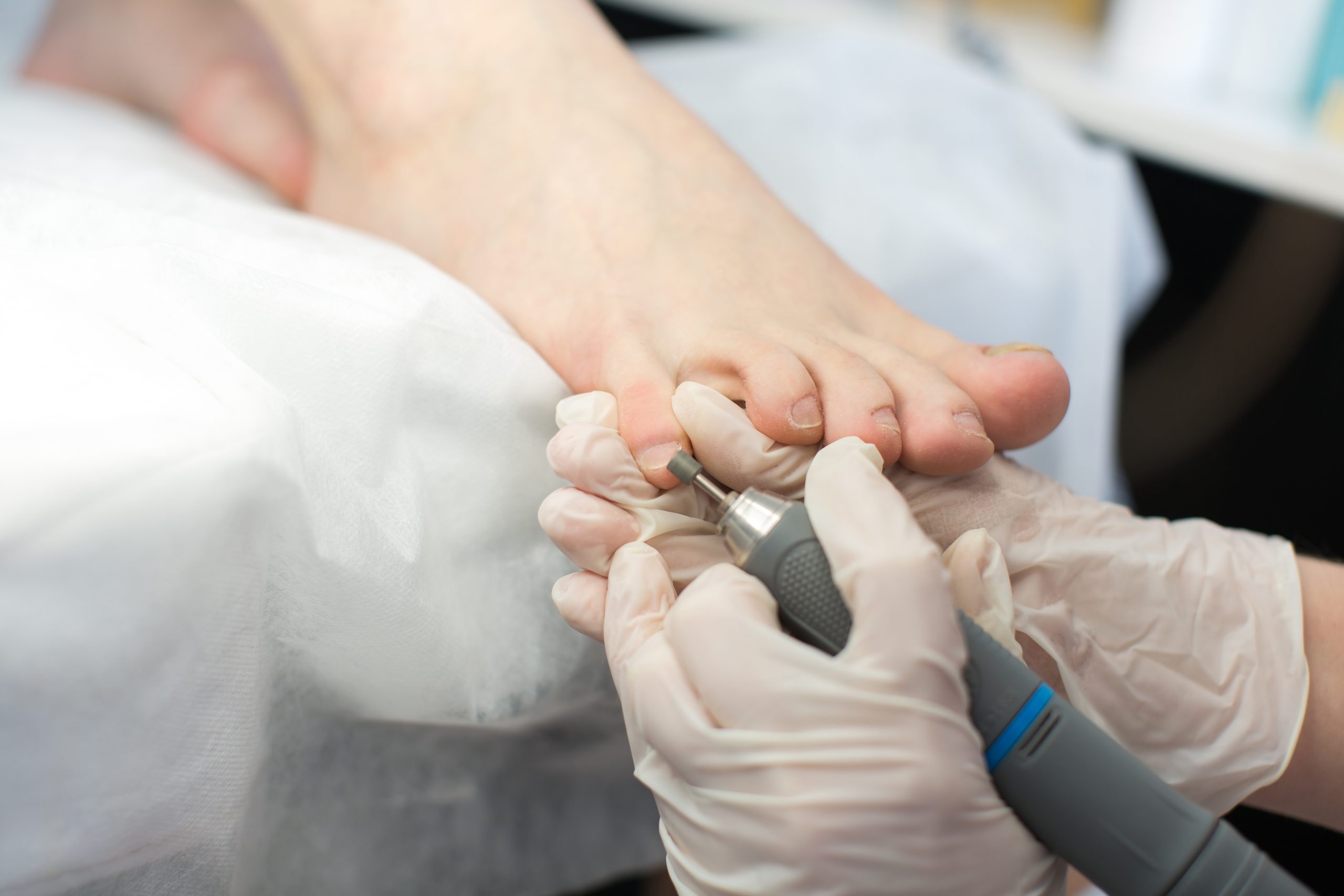

Toenails that become thick, hardened, misshapen, or yellowed due to moisture or injury can affect anyone. Several treatment options are available to address these issues. If you have deformed nails, dystrophy, or onycholysis, podiatrists can diagnose and treat the root causes.
Let’s explore treatment options for thick, misshapen nails.
Toenail deformity
Toenail deformity refers to changes in the shape of toenails caused by trauma or infection, while dystrophy concerns texture changes. Causes include:
- Fungal infections like nail fungus
- Trauma by crushing or cutting
- Shock trauma to the nail matrix
- Poor healing after shock
- Fractures or infections of foot bones
- Hammertoes
- Tumors (benign or malignant)
- Blood circulation disturbances
- Warts on the foot sole
- Skin diseases like psoriasis, eczema
- Diabetes
The podiatrist will conduct tests such as nail fungal cultures and clinical examinations to identify causes before prescribing treatment.
Treatments for a toenail deformity
Once diagnosed, podiatrists tailor treatments including:
- Manual cutting and milling of the nail
- Splints for toenails (orthonyxia)
- Laser treatment
- Surgery for ingrown toenails (matricectomy)
- Surgery for recurrent plantar warts
- Topical antifungal prescriptions
Treatments for the thickening of the toenail
Nail thickening usually occurs naturally with age but premature thickening can signal inflammation or excessive foot pressure, which may cause toenail detachment or ingrown toenails (onychocryptosis).
Thickened nails require special care and are treated similarly to deformed nails. Care tips include:
- Soaking nails in hot water for 5 minutes before trimming
- Disinfecting nail clippers
- Avoiding nail files to prevent injury
- Consulting a podiatrist for foot care if a yeast infection is suspected
Treatments for onycholysis
Onycholysis is the partial or complete detachment of the toenail caused by infection, trauma, or inflammation.
Common causes include:
- Excessive nail scrubbing
- Inflammatory skin conditions like psoriasis
- Exposure to corrosive chemicals
- Certain antibiotics
- Onychomycosis
- Regular trauma from improper footwear
Podiatrists or dermatologists recommend treatments such as:
- Corticosteroid ointments
- Emollients and nail reshaping methods
- Regular foot care to reduce moisture
- Orthoplasty to realign toes and reduce trauma
- Orthopedic or better-fitting shoes
Recognizing toenail problems
Identifying toenail issues can be challenging. Signs of infection or deformity include:
- Unusual nail colors: yellow, brown, orange, or opaque white
- Common ingrown toenails
- Difficulty trimming nails
- Horizontal grooves under nails
- Brittle nails
- Rounded, smaller nail tips
If you experience multiple symptoms, consult a podiatrist to assess and receive appropriate treatment.