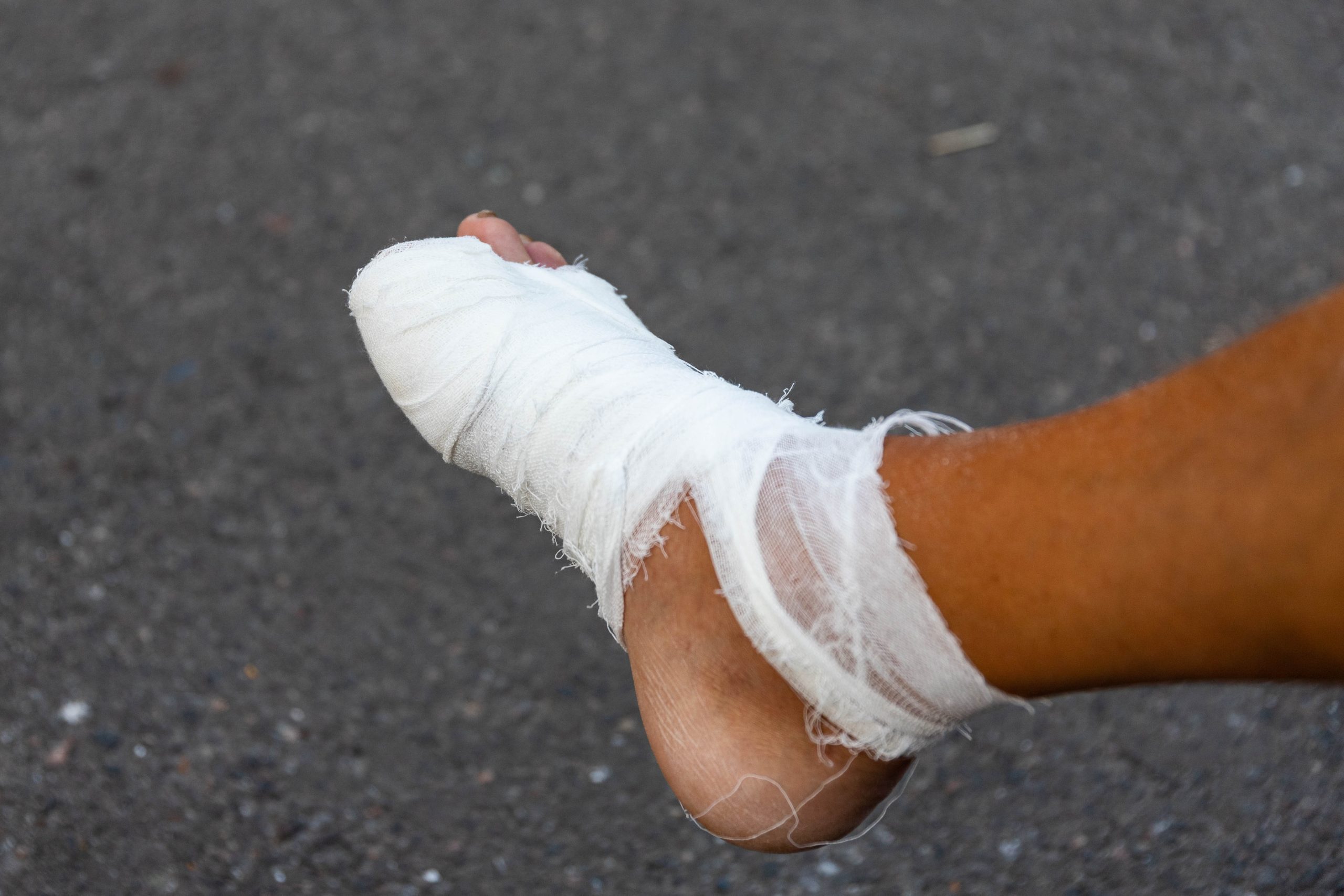

Amputation is a surgical procedure removing a limb or part of it, often necessary to prevent serious infection or poisoning.
Understanding the causes and types of foot and leg amputations helps in anticipating treatment and rehabilitation.
Situations that need amputation
Amputation of the foot or toes can result from various causes. Some common situations include:
- Mechanical trauma such as falls or car accidents
- Thermal trauma including severe burns or frostbite
- Untreated medical conditions like diabetic foot or atherosclerosis
- Serious infections or bacteria threatening the body
- Severe limp causing movement difficulties and blood disorders
- Foot tissue necrosis
- Certain cancers of the foot
Sometimes, traumatized parts can be reattached surgically; otherwise, amputation becomes necessary.
Elements considered before a foot amputation
Before foot amputation, medical teams evaluate several factors.
The extent of amputation impacts recovery chances and postoperative mobility since the foot contributes significantly to movement and propulsion.
The height of the amputation influences functional autonomy, healing potential, and the type of orthotic device prescribed.
Different types of foot amputations
Amputation types vary according to the affected part of the foot:
- Transmetatarsal amputation: removing part of the forefoot at the metatarsal bones’ middle.
- Chopart amputation: rare, removing anterior portions of the talus and calcaneus.
- Lisfranc amputation: removing all toes and metatarsal bones.
- Syme amputation: removal of the entire foot by incising the joint between the leg and foot.
Following these surgeries, prostheses or special equipment help restore lost foot functions.
Orthopedic solutions for the amputated foot
Foot amputation often causes significant functional challenges. Orthopedic surgeons collaborate with specialists like orthopedic technicians and podiatrists for optimal care.
Prostheses replace the missing part, examples include:
- Silicone feet mimicking natural shapes for partial amputations.
- Carbon prostheses suited for athletes.
- Dynamic prostheses with subpatellar support for below-knee amputations.
Podiatrists address mechanical imbalances and recommend devices such as:
- Custom-made foot orthoses, adapted to the altered foot dimensions.
- Orthopedic shoes to stabilize posture despite amputation.
Complications of foot amputation
Amputation deeply affects quality of life, requiring rehabilitation to adapt to prostheses or partial foot loss.
Patients must monitor symptoms warranting immediate medical attention, including:
- Stump pain
- Dry, inflamed skin
- Malodorous fluid leakage
- Wound reopening
- Excessive sweating near the stump
- Bruising or redness
- Phantom limb sensations
PiedRéseau – Learn more
Discover more about foot amputation procedures and care in our articles. Nothing replaces a consultation with your podiatrist for personalized advice.
Take care of your feet—they are precious!