
Diabetic foot is a problematic condition that can cause sores and ulcers, especially among the elderly. Without prompt and effective treatment, it can lead to serious infections or amputation.
If you are one of the 880,000 Quebecers with diabetes, it is crucial to be vigilant about your feet. Nearly 25% of diabetics will experience foot sores during their lifetime, and slow-healing sores indicate the need for immediate consultation.
This article explores the causes, symptoms, and podiatrist treatments for diabetic foot.
Symptoms of diabetic foot
Diabetic foot causes a greater risk of foot sores in type 1 and type 2 diabetics due to circulatory and tissue issues, making healing difficult.
Consequences include:
- Significant decrease in foot sensitivity
- Tingling and pain in the feet
- Leg pain
- Pressure points on the feet
- Increased dryness
- Foot deformities such as hallux valgus bunions or hammer toe, claw toe, mallet toe
Symptoms are often subtle, and loss of sensation impairs judgment of severity. Delays can lead to severe complications. Even minor wounds, blisters, cracks, or calluses should be addressed promptly by diabetics.
Secondary effects of diabetic foot
Neuropathy is a main side effect affecting foot nerves, caused by high blood glucose, hypertension, excess weight, or smoking.
Cardiovascular issues related to diabetes also contribute. Diabetics are twice as likely to develop cardiovascular disease, which can cause arteriopathy—arterial hardening often linked to atherosclerosis, accelerating artery deterioration and complicating diabetic foot.
Preventing diabetic foot
Prevention begins with controlling blood sugar. Additional steps include:
- Daily washing and inspection of feet
- Annual podiatrist consultations
- Wearing comfortable, flexible shoes
- Avoiding high heels and narrow shoes
- Not walking barefoot
- Regular toenail trimming without cutting too short
- Keeping feet dry
- Changing socks frequently
- Wearing white socks
Treating diabetic foot
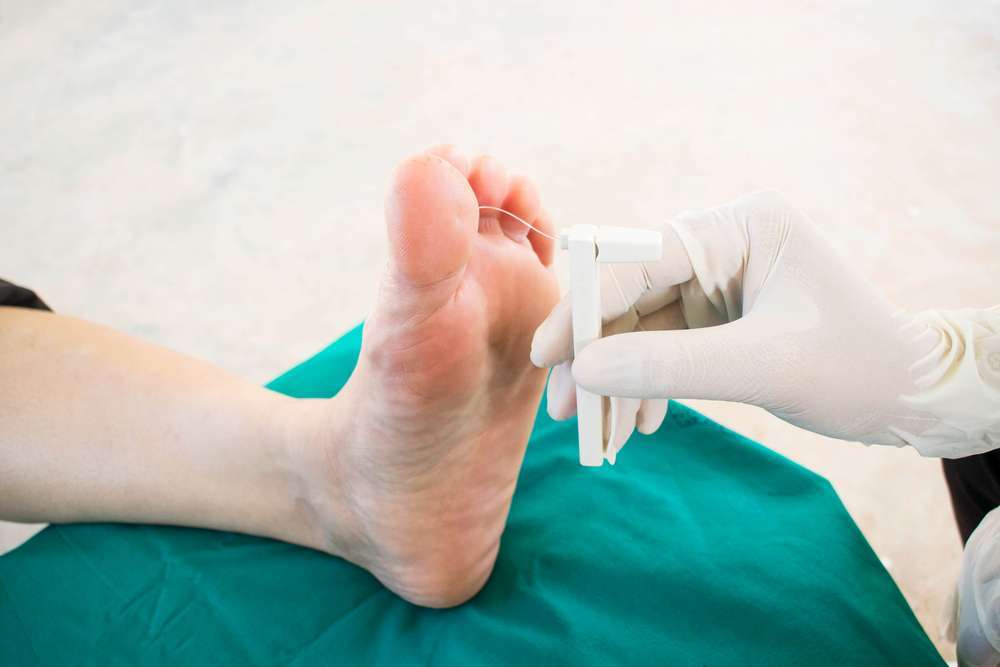
Treatment of diabetic foot should be done by a podiatrist who will examine your lower limbs and tailor treatment. They will assess neurological and vascular health, recommend specialized shoes, and prescribe orthotics to prevent pathology progression.
Treatable issues include:
- Corns, calluses, severe corns
- Lesions
- Ulcers
- Pressure points
In extreme cases, amputation may be necessary but is a last resort.
Proper blood sugar management remains key to preventing complications.
PiedRéseau, an alliance of podiatrists across Quebec, working to prevent diabetic foot complications
PiedRéseau unites nearly 40 clinics across Quebec specializing in foot pathologies. Their podiatrists use advanced technology and personalized treatments to accurately assess conditions.
If you have diabetes, regular visits to a trusted podiatrist are crucial for timely care.
Contact PiedRéseau to protect your feet from diabetes complications.