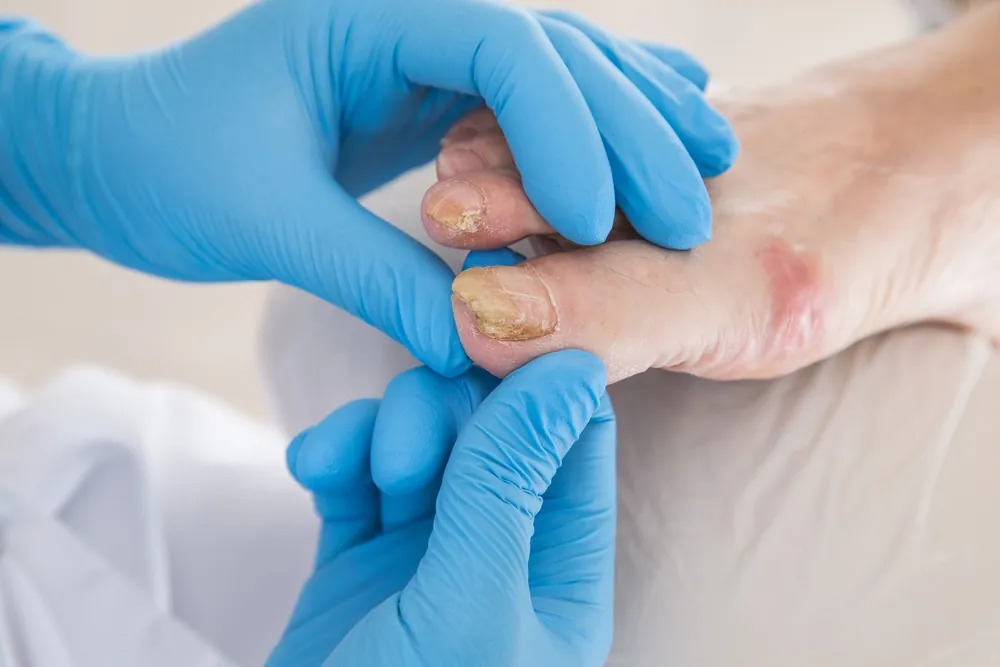

Nail culture consists of collecting nail and skin fragments from beneath a nail suspected of fungal infection. This procedure is crucial to distinguish fungal toenail disease (onychomycosis) from other similar conditions such as eczema or psoriasis, which require different treatments.
This minimally invasive method aids in detecting fungal foot infections early, improving treatment outcomes. Learn how nail culture fits into the podiatrist’s diagnostic tools and guides effective treatment choices.
The importance of detecting nail fungus
Symptoms of nail fungus often resemble other skin disorders like psoriasis or eczema. Shared symptoms include nail irregularities such as grooves, color changes to yellow or orange shades, nail detachment (onycholysis), thickening under the nail (hyperkeratosis), and itching or discomfort. Although nail fungus may not be painful, early detection and management are essential to prevent complications.
Collecting a nail sample enables a podiatrist to make an accurate diagnosis and prescribe the most appropriate treatment for conditions like nail fungus, psoriasis, eczema, athlete’s foot, or shoe-related injuries, improving patient outcomes.
Advantages of nail culture
Nail culture offers precise screening, enabling detection of fungal infections and other pathologies. Key benefits include minimal or no pain, a rapid procedure (around 20 minutes), and personalized treatment plans based on culture results available in about four weeks.
This method is particularly important for individuals at higher risk of severe infections, such as diabetics, seniors, immunocompromised patients (e.g., HIV, chemotherapy). If you notice signs of infection, consulting a podiatrist ensures accurate diagnosis and timely care.
Nail culture procedure
Podiatrists use several methods to collect nail samples: scraping the entire nail thickness with a scalpel, scraping the dorsal surface for deeper epidermal fragments, or detaching debris under the affected nail. Before sampling, the podiatrist inspects for lesions or molds that may affect results.
During the procedure, the patient is positioned for optimal access and the area is cleaned. Samples are collected according to the chosen method, stored properly, and sent to a specialized laboratory for culture.
Results vary: yeasts typically appear within 48 hours, while dermatophytes (fungi) may require up to four weeks for detection. Following analysis, the podiatrist recommends a suitable treatment plan.
Nail sampling: obtaining a diagnosis beyond any doubt
Accurate identification of the nail pathology allows the podiatrist to propose targeted treatments. Antifungal topical agents are commonly prescribed for nail fungus or athlete’s foot, with oral antifungals administered by family doctors or dermatologists when necessary.
For conditions caused by friction or irritation, treatment may include plantar orthotics or specialized foot care. If you notice concerning nail changes in shape or color, consulting your podiatrist is essential for peace of mind and appropriate care.