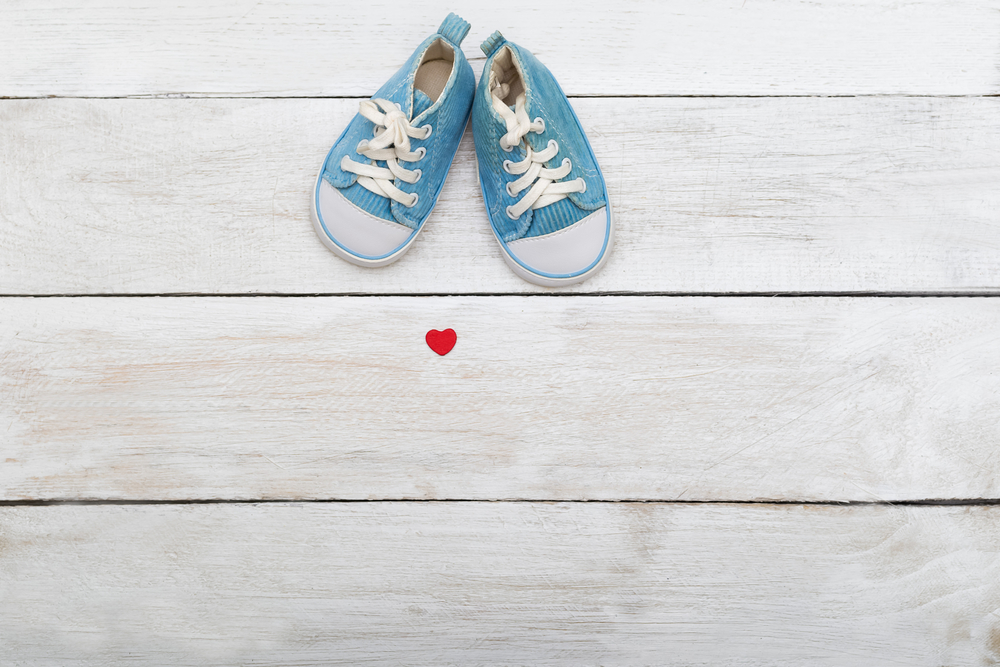

Choosing the right baby shoes is essential to ensure comfort and proper foot development during the first years of life. Between rapid growth and learning to walk, several elements must be considered when selecting baby shoes.
Important Criteria to Consider When Buying Baby Shoes
Choosing the Right Size for Baby Shoes
To determine the correct baby shoe size, measure the foot with a device or by tracing it on paper. When between two sizes, choose the larger one. Removable insoles help verify space between toes and shoe tip, ideally a thumb’s width. Proper sizing is crucial for comfortable, well-fitting first-step shoes.
Which Type of Fastening to Prefer for Baby
Lace-up shoes are ideal for babies starting to walk, as they provide better support, secure fit, and adapt to foot shape.
Which Sole to Choose for Baby Shoes
For non-walking babies, soft leather slippers suffice to protect feet. First steps require shoes with soft yet sturdy soles that support the heel and bend at the toes. Avoid overly cushioned soles that hinder progress like those of Crocs.
Baby shoes by age:
0-6 months → soft slippers
6-12 months → flexible sole
12-24 months → structured sole
Why Support Is Important for Baby Shoes
A proper fit ensures baby’s comfort and stability. Shoes must hold feet securely without sliding forward, preventing falls and supporting walking development.
How to Choose the Right Baby Shoes According to Age
Shoe models vary by brand and price, but key features include soft leather with light rubber soles for flexibility, recommended for indoor use without foot issues. Lightweight shoes facilitate movement. The insole should match the foot’s arch, with good heel support and freedom at the front. Outdoor shoes need sturdy construction to absorb shocks on hard surfaces.
Frequently Asked Questions About Baby Shoes
At What Age Should a Baby Wear Shoes?
Shoes are unnecessary before babies walk outdoors. Indoors, barefoot or socks help foot development better.
How Often Should Baby Shoes Be Changed?
Since babies’ feet grow fast, check shoe size every 2 to 3 months to avoid tight shoes.
Do Shoes Affect Learning to Walk?
Shoes don’t teach walking but protect feet. Well-fitting shoes help babies feel more stable.
Should Certain Materials Be Favored for Baby Shoes?
Soft, breathable materials like leather limit moisture and improve comfort.
Babies who don’t walk don’t need shoes, and when they start standing, constant shoe use isn’t necessary. Letting babies explore various surfaces barefoot encourages healthy foot development. Shoes mainly protect and help them gain confidence for indoor steps.
For any questions on baby shoes or foot development, consult a podiatrist who can guide you to the best choices based on your child’s needs.