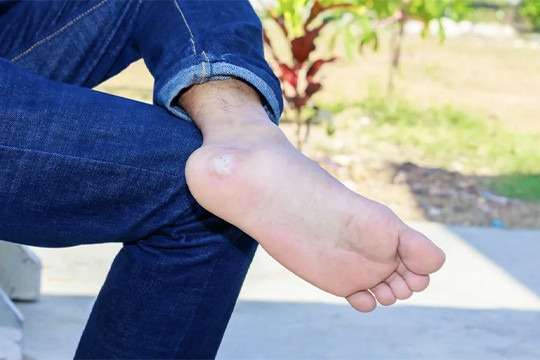

A viral infection caused by HPV (human papillomavirus) leads to plantar warts, a contagious skin condition appearing as skin lesions. These warts can remain dormant or spread quickly, affecting you and those around you.
Symptoms of Plantar Warts
Plantar warts typically appear as small, rough, flat or spherical lumps with various characteristics.
- Appearance: spongy, brownish or yellowish tissue with small black dots;
- Size: from a few millimeters to several centimeters in diameter;
- Pain: can be painful, especially under pressure or friction;
- Posture problems: foot pain caused by plantar warts may alter foot positioning and lead to other issues.
Types of Plantar Warts
Different strains of HPV produce distinct plantar warts, mainly Myrmecia and mosaic warts.
- Myrmecia (single plantar wart) is the most common and is characterized by a horn ring and pain while walking.
- Mosaic warts generally spread across foot surfaces and are rarely painful.
Regardless of type, plantar warts should be treated promptly to prevent spreading.
What Causes Plantar Warts
Understanding the infection origins is crucial to prevent plantar warts, a highly contagious skin condition.
- Skin-to-skin contact: direct contact with an infected person’s epidermis can transmit HPV.
- Indirect contact: touching contaminated objects like shoes, sandals, or socks can spread the virus.
- Self-contagion: scratching or injuring an existing wart increases the risk of spreading it on your own feet.
While usually benign, visiting a podiatrist is important to manage plantar warts effectively.
Risk Factors for Plantar Warts
Several factors may increase the likelihood of developing plantar warts, affecting certain populations more.
- Excessive foot perspiration, which promotes viral growth;
- Dry or cracked skin allowing viral entry;
- Weakened immune system (e.g., diabetes, HIV, chemotherapy);
- Children and teenagers, due to frequent bathing and exposure to germs.
Preventing Plantar Warts
To reduce the risk of developing plantar warts, especially when frequenting public places:
- Avoid walking barefoot in gyms, pools, public showers, and communal areas;
- Cover infected areas to minimize virus spread if untreated;
- Keep feet dry and ventilated, crucial for sweaty feet;
- Wash feet promptly after barefoot exposure with soap;
- Wear cotton or natural fiber socks and change them regularly to prevent moisture buildup.
At-Home Plantar Wart Remedies
Various over-the-counter treatments can help manage plantar warts at home, though medical advice is recommended.
- Salicylic acid applied regularly may burn out warts but can irritate surrounding skin;
- Soaking feet in baking soda and sea salt solution disinfects and softens warts.
Self-treatment like filing, using sharp objects, or corrosive substances is discouraged as it can worsen or spread the condition.
Podiatrist Treatments for Plantar Warts
Since plantar warts may not always disappear spontaneously, consulting a podiatrist is advised.
They can offer:
- Prescription medications for painless at-home treatment;
- Cryotherapy using liquid nitrogen to destroy warts;
- Canthacur PS treatment suitable for children and minimizing scarring;
- Pharmaceutical treatments like needle-free bleomycin sulphate injections for persistent warts;
- Laser therapy or minor surgery for stubborn cases unresponsive to other treatments.
PiedRéseau – Learn More
Interested in plantar warts? PiedRéseau covers this topic extensively but it is not a substitute for professional podiatric consultation.
Take care of your feet—they’re precious!