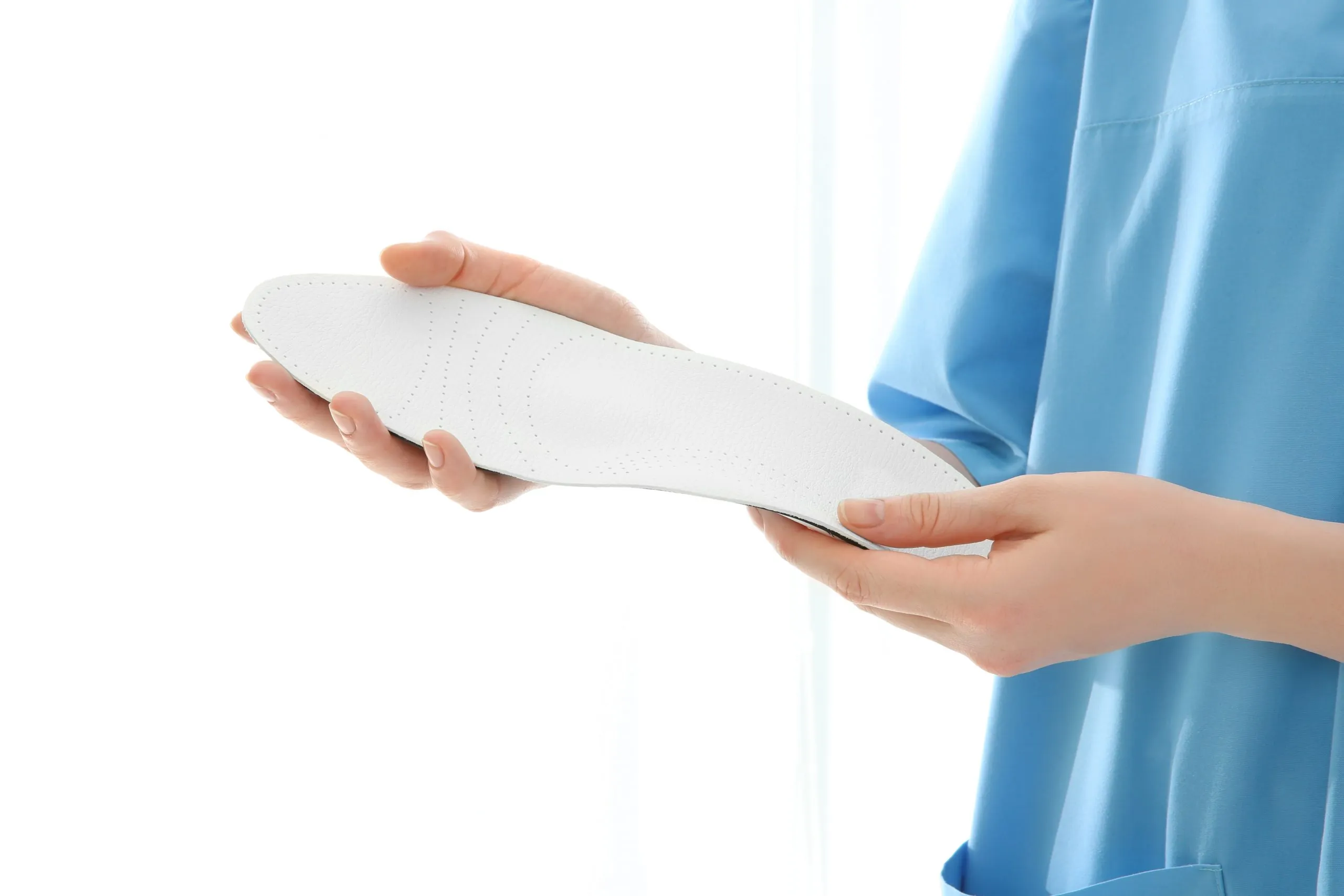

Foot orthotics
The primary goal of plantar orthotics is to improve the function of your foot in order to correct biomechanical flaws or posture issues. Custom-made foot orthotics are designed to perfectly fit your foot’s shape to optimize function and redistribute pressure, alleviating pain and treating various pathologies and deformities. A podiatrist evaluates you and creates a personalized casting for effective treatment. Modern plantar orthotics benefit from advanced technology and can last 5 to 10 years.
What are the different types of plantar orthotics?
There are two main types of plantar orthotics:
- Custom plantar orthotics: prescribed by a podiatrist after a personalized evaluation.
- Over-the-counter plantar orthotics: available in pharmacies but often less effective due to lack of customization.
Custom orthotics can be flexible, semi-flexible, or rigid, adapted to health needs. Examples include plantar orthotics for children, diabetics, athletes, accommodative orthotics for seniors or arthritis, and short orthotics allowing varied footwear options.
What types of pain can plantar orthotics alleviate?
Custom plantar orthotics address many conditions affecting feet, heels, back, ankles, and knees such as flat or hollow feet, plantar fasciitis, heel spurs, Achilles tendonitis, bursitis, toe deformities like hammer toe, bunions, metatarsalgia, poor posture, and leg length discrepancies. Wearing orthotics can prevent serious biomechanical or morphological issues and reduce pain effectively.
What’s the best way to adapt to wearing plantar orthotics?
Modern plantar orthotics are comfortable with a gradual adaptation period of 1 to 2 weeks. Minor discomfort during initial wear is normal as muscles and gait adjust. Your podiatrist will provide a treatment plan and instructions for gradually increasing wear time, starting with one hour per day. Follow-up is important to address any discomfort, and noticeable pain relief usually occurs within 4 to 8 weeks.
Properly caring for your plantar orthotics
Caring for your custom orthotics ensures treatment effectiveness and durability. Key tips include washing them with mild soap and a cloth, avoiding immersion in water, removing them from shoes daily to dry at room temperature, using anti-odour sprays if needed, avoiding heat or direct sunlight exposure, cleaning shoes before reinserting, and keeping orthotics away from pets. Annual podiatrist visits are recommended for reviews to ensure optimal performance.
What are the steps involved in the manufacture of custom plantar orthotics?
Manufacturing custom plantar orthotics involves:
- Biomechanical assessment including 3D foot modeling and gait analysis.
- Podograph tracing to study foot shape and pressure points.
- Designing the orthotic plan, selecting correction type, materials, and flexibility.
- Choosing coatings like leather, foam, cork, thermoplastic, or EVA based on needs.
- Manufacturing using methods such as convection oven molding, vacuum pressing, material cutting, or 3D printing.
- Shoe testing and adjustments by the podiatrist, with follow-up visits to confirm effectiveness.
Who pays for the plantar orthotics?
Plantar orthotics may be partially or fully covered by private insurance plans and are often tax deductible. The Ministère du Travail, de l’Emploi et de la Solidarité sociale contributes up to $180 with proper documentation, and replacement is reimbursed every two years except for podiatric orthoses. The Régie de l’assurance maladie du Québec does not cover orthotics costs, but group insurance, the CSST, and certain federal programs may cover expenses with prior authorization.
The PiedRéseau difference for your plantar orthotics
PiedRéseau offers the largest network of podiatry clinics in Québec, equipped with advanced technologies to deliver precise diagnoses and effective custom orthotics. Their podiatrists have developed refined techniques for manufacturing, replacing, and repairing orthotics and provide thorough explanations and follow-up in a supportive environment. Besides orthotics, they also provide treatments such as therapeutic lasers, cortisone injections, ultrasound, shockwave therapy, manual therapy, taping, and exercise recommendations for rapid relief and healing.
If you experience gait or foot issues impacting your daily life, consulting a podiatrist at a PiedRéseau clinic can provide tailored solutions with custom plantar orthotics.